Whispering Gallery: The Cratable Hedge and the Colonial Hangover
Companies Mentioned
Why It Matters
The appointments reshape programming and international positioning of Hong Kong’s key art venues, signaling deeper cross‑cultural exchange and the influence of new private capital on Asian contemporary art.
Key Takeaways
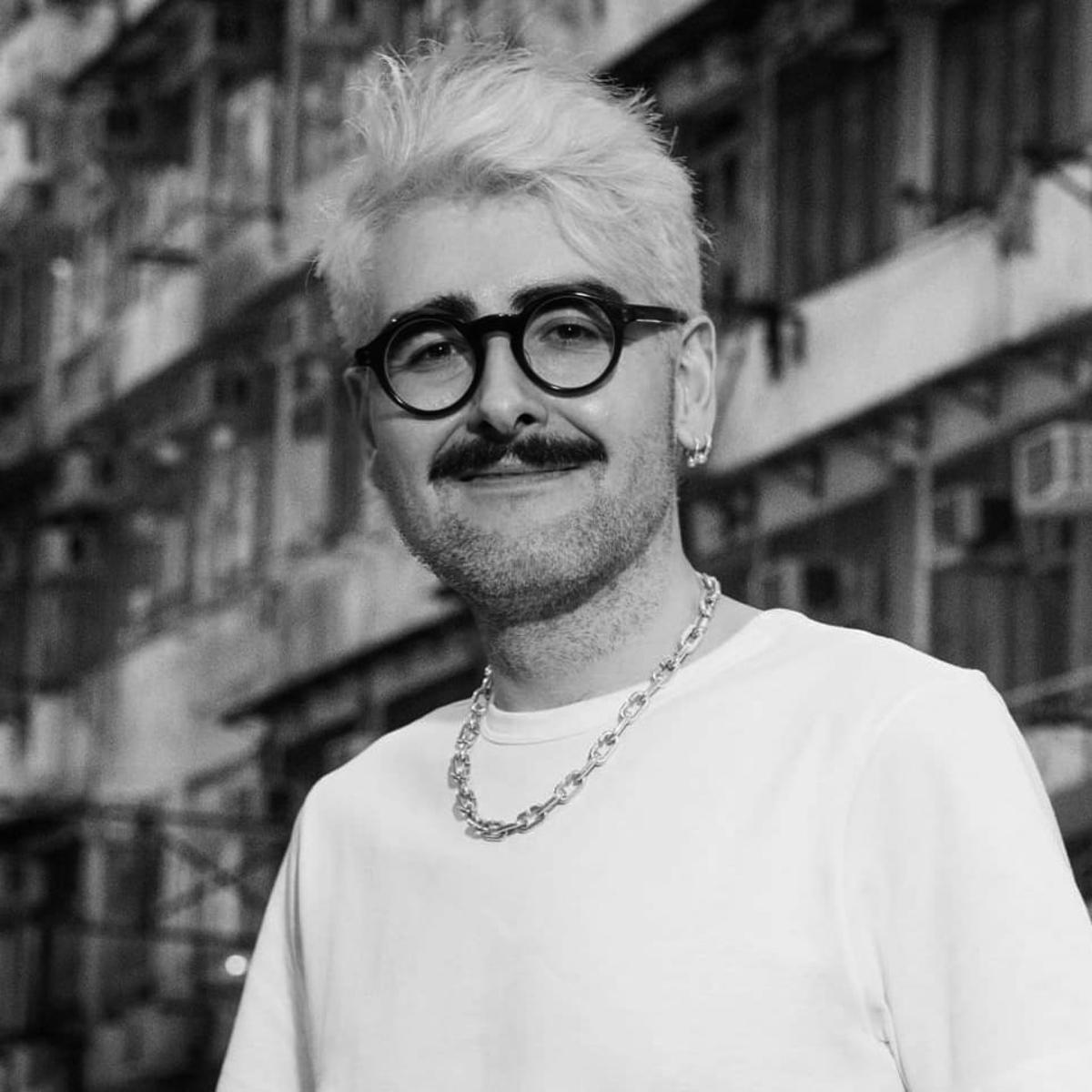
- •James Taylor-Foster, architecture curator, named Para Site director.
- •Philip Tinari moves from UCCA Beijing to lead Tai Kwun.
- •Pi Li departs Tai Kwun for Tencent‑backed Rong Museum in Shenzhen.
- •Leadership shifts signal growing Western curatorial influence in Asian art.
Pulse Analysis
The recent director appointments at Para Site and Tai Kwun underscore a broader transformation in Asia’s contemporary art ecosystem. Historically, Asian institutions have leaned heavily on local curatorial talent, but the selection of James Taylor‑Foster—a specialist in architecture and design with limited regional exposure—signals a willingness to import fresh perspectives. This mirrors a global trend where museums seek interdisciplinary expertise to attract diverse audiences and deepen critical discourse around built environments and design culture.
Philip Tinari’s move from Beijing’s UCCA to Tai Kwun reflects both personal and strategic dimensions. Tinari, fluent in Putonghua and seasoned in navigating China’s state‑linked art market, brings a network that can bridge mainland collectors with Hong Kong’s vibrant scene. His appointment follows Pi Li’s departure to the Tencent‑funded Rong Museum in Shenzhen, illustrating how private tech capital is reshaping institutional hierarchies and enabling rapid expansion of exhibition capabilities across the Pearl River Delta.
These leadership changes carry implications for funding, programming, and market positioning. With Tencent’s deep pockets fueling the Rong Museum and the Jockey Club backing Tai Kwun, financial resources are increasingly tied to corporate interests, prompting questions about curatorial independence. At the same time, the infusion of Western curatorial voices may accelerate the region’s engagement with global debates on diversity, decolonization, and the role of architecture in cultural narratives. Stakeholders—from artists to collectors—should monitor how these directors balance local relevance with international ambition, as their strategies will likely set the tone for Asia’s art institutions in the coming decade.
Whispering Gallery: The Cratable Hedge and the Colonial Hangover
Comments
Want to join the conversation?
Loading comments...