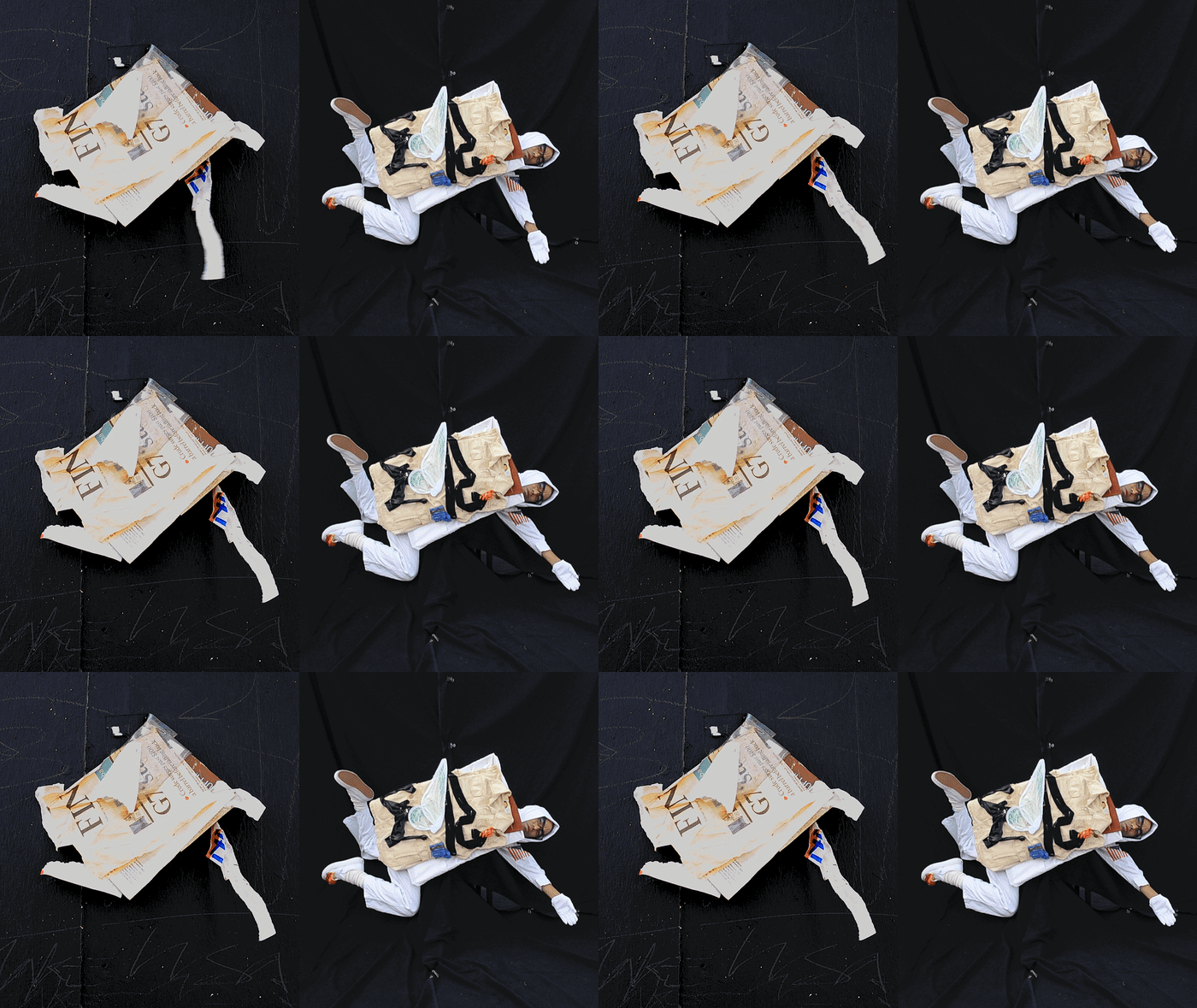
Why Is Shoji Yamasaki Pretending to Be a Discarded Piece of Paper?
Companies Mentioned
Financial Times
7-Eleven
Why It Matters
By turning discarded waste into performative subjects, Yamasaki spotlights urban pollution while leveraging viral social media to amplify environmental consciousness. The model demonstrates how low‑cost, artist‑driven content can influence public attitudes toward sustainability.
Key Takeaways
- •Littered Mvmnts videos attract millions of viewers on TikTok and Instagram
- •Yamasaki recreates trash movement using only his own clothing, no props
- •Project funded by art grants and eco‑aligned brand collaborations
- •Artist aims to shift public perception of litter toward environmental empathy
Pulse Analysis
Shoji Yamasaki’s "Littered Mvmnts" taps into the growing intersection of performance art and digital virality, turning everyday street litter into a choreographic muse. By filming two‑minute split‑screen clips that juxtapose a piece of trash with his own improvised costume, Yamasaki transforms mundane waste into a character with personality. This approach resonates with a generation accustomed to short‑form video, driving millions of views on TikTok and Instagram and earning placement on public art billboards across Los Angeles. The project’s aesthetic simplicity—reusing personal garments and avoiding purchased props—underscores a sustainable production ethos that aligns with his environmental messaging.
The series also illustrates how artists can monetize socially responsible content without compromising authenticity. Funding arrives primarily from municipal art grants and selective collaborations with brands like Paloma Wool and Harper Collective, which share a sustainability focus. Yamasaki’s refusal to chase traditional influencer revenue—he jokes about earning three cents from a TikTok Live—reinforces his commitment to artistic integrity over commercial hype. This funding model offers a blueprint for creators seeking to balance creative freedom with financial viability in the crowded digital landscape.
Beyond entertainment, "Littered Mvmnts" serves as a subtle behavioral intervention. By anthropomorphizing litter, Yamasaki encourages viewers to reconsider their relationship with waste, fostering empathy that could translate into cleaner streets and more mindful consumption. The project’s global relevance—trash exists everywhere—positions it as a cultural commentary on modern consumerism and urban neglect. As cities grapple with mounting solid‑waste challenges, Yamasaki’s work demonstrates how low‑budget, high‑impact art can spark dialogue and potentially inspire grassroots environmental action.
Why is Shoji Yamasaki pretending to be a discarded piece of paper?
Comments
Want to join the conversation?
Loading comments...