With Trump Novices, Can the U.S. Win the ‘Art Olympics’?
Why It Matters
The appointment signals a politicized approach to cultural diplomacy, risking the United States’ artistic credibility on the world stage. It also raises questions about how government influence may reshape the selection of national cultural ambassadors.
Key Takeaways
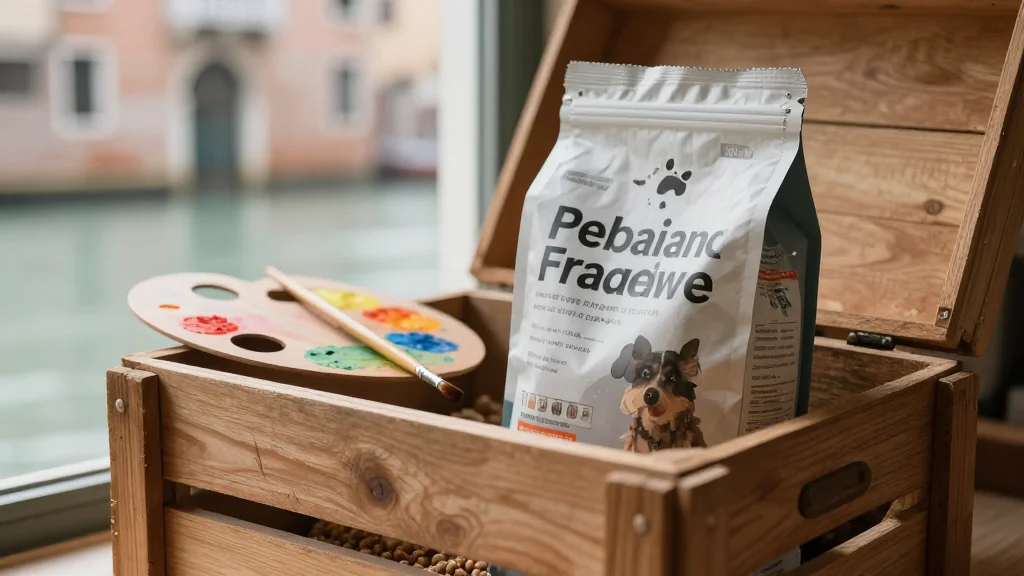
- •Jenni Parido, former pet‑food store owner, now leads U.S. Biennale pavilion
- •State Department overhauled selection, replacing museum panel with independent curator
- •Alma Allen, Mexico‑based sculptor, chosen as U.S. representative for 2026
- •Critics warn politicization may undermine cultural diplomacy and artistic standards
- •Jeffrey Uslip, former curator, guides selection amid controversy over past exhibition
Pulse Analysis
The Venice Biennale, often dubbed the "Art Olympics," has long served as a showcase for a nation’s cultural capital. For nearly a hundred years, the United States relied on a consortium of museum directors and curators to propose exhibitions, with a State Department panel vetting the choices. This model produced marquee shows featuring artists such as Robert Rauschenberg and Mark Bradford, reinforcing America’s reputation for artistic innovation. The recent overhaul, however, replaces that expertise with a newly minted nonprofit leader, signaling a shift from institutional curation to politically appointed stewardship.
The new selection process raises concerns about the intersection of politics and cultural diplomacy. By installing Jenni Parido—who has no museum background—and delegating curatorial authority to Jeffrey Uslip, whose own career includes a controversial exhibition, the State Department appears to prioritize loyalty and novelty over established artistic credentials. Critics argue that such politicization could erode the credibility of U.S. cultural exports, making it harder for American artists to gain trust abroad. Moreover, the choice of Alma Allen, an under‑the‑radar sculptor based in Mexico, may reflect a desire to project a more diverse, perhaps less confrontational, image, but it also risks being perceived as a tokenistic appointment.
Looking ahead, the outcome of the 2026 U.S. pavilion will likely influence future funding and governance of cultural programs. If the Biennale reception is positive, it could validate a more decentralized, politically driven model, encouraging other administrations to experiment with non‑traditional curators. Conversely, a lukewarm or critical response may prompt a return to the museum‑centric approach, reaffirming the importance of professional expertise in safeguarding artistic standards. Stakeholders—from artists to policymakers—will watch closely, as the Biennale serves as a barometer for how America balances soft power with artistic integrity.
With Trump Novices, Can the U.S. Win the ‘Art Olympics’?
Comments
Want to join the conversation?
Loading comments...