Key Takeaways
- •Liao translates emotional lexicon data into synchronized light and sound
- •Installation immerses viewers, eliminating visual distance from the algorithm
- •Work highlights instability of emotions through fluctuating intensity and frequency
- •Raises question of empathy when emotions are digitized and amplified
- •Shows art shifting from data analysis to data‑driven creation
Pulse Analysis
The rapid growth of affective computing has moved emotional analysis from research labs into everyday products, from chat‑bots that detect sentiment to wearables that track mood. Artists are now probing the cultural impact of this data, and Yaxuan Liao’s “Emotional Algorithm” stands out as a concrete example of how algorithmic outputs can be re‑imagined as sensory experiences rather than mere metrics.
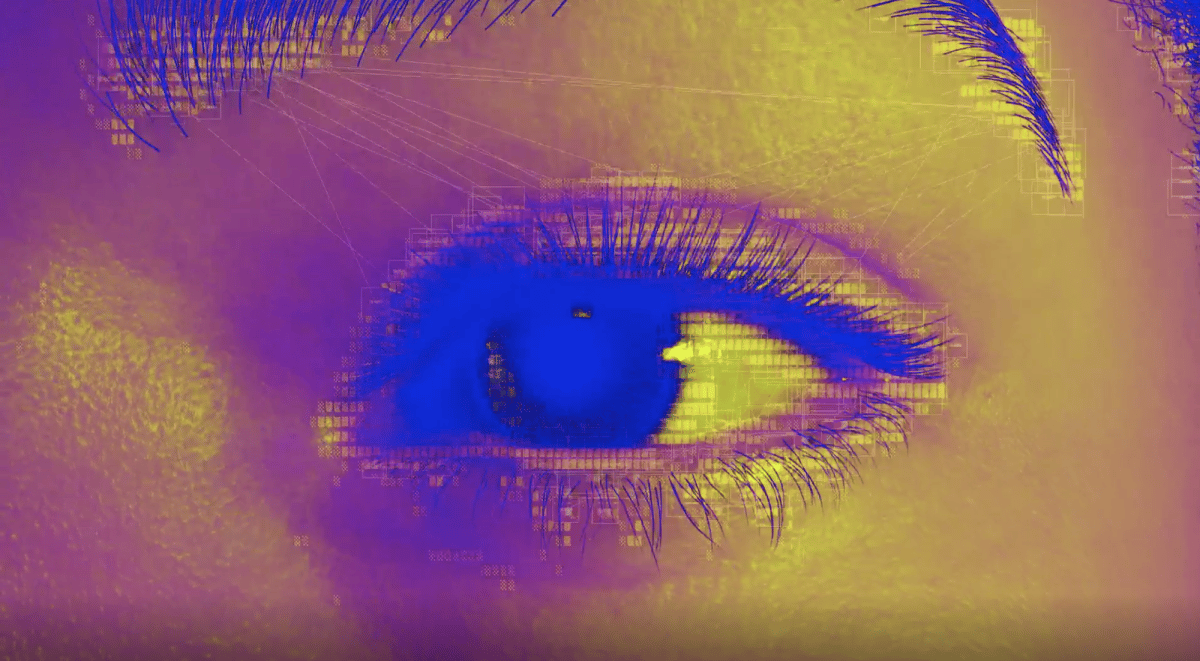
Liao’s installation translates a machine‑derived emotional lexicon into a choreography of light intensity and sound frequency. Viewers step into a dim gallery where neon‑blue hues pulse in tandem with low‑frequency tones, then surge into bright, high‑pitch bursts, mirroring the algorithm’s detection of positive and negative sentiment. By removing any explanatory graphics, the work forces the audience to feel the data directly, turning abstract code into a palpable, ever‑shifting emotional landscape.
Beyond its aesthetic appeal, the work raises strategic questions for tech firms and cultural institutions alike. If emotions can be digitized, amplified, and presented as immersive environments, new business models may emerge around experiential AI—think therapeutic installations, brand‑activated emotional spaces, or data‑driven performance art. Liao’s approach signals that the future of AI may be less about precise prediction and more about shaping human perception, prompting creators and investors to consider how algorithmic empathy can be both a product and a profound artistic statement.
Yaxuan Liao: Emotional Algorithm.
Comments
Want to join the conversation?