Companies Mentioned

MTV
GOOG
Why It Matters
Rafman's exhibition spotlights how internet‑driven aesthetics are reshaping high art and commercial branding, signaling new revenue streams for creators who master digital and AI tools.
Key Takeaways
- •Rafman's “Main Stream Media” exhibition opens at Düsseldorf’s K21 museum.
- •Show blends glitch collages, LED tunnels, and immersive installations.
- •Artist has collaborated with Balenciaga, Travis Scott, Lil Yachty, and Oneohtrix Point Never.
- •Rafman has used AI and video‑game engines in art since early 2010s.
- •He argues the internet has collapsed consensus reality, reshaping cultural production.
Pulse Analysis
Jon Rafman’s career illustrates the evolution of net‑art from Google Street View screenshots to multi‑million‑dollar fashion installations. Early works like “Nine Eyes” captured the uncanny side of digital mapping, while collaborations with Balenciaga’s SS19 runway and Travis Scott’s UTOPIA zine cemented his reputation as a cultural conduit between underground internet subcultures and mainstream luxury. This trajectory demonstrates how artists can leverage viral aesthetics to command premium budgets, a model increasingly replicated by brands seeking authentic digital relevance.
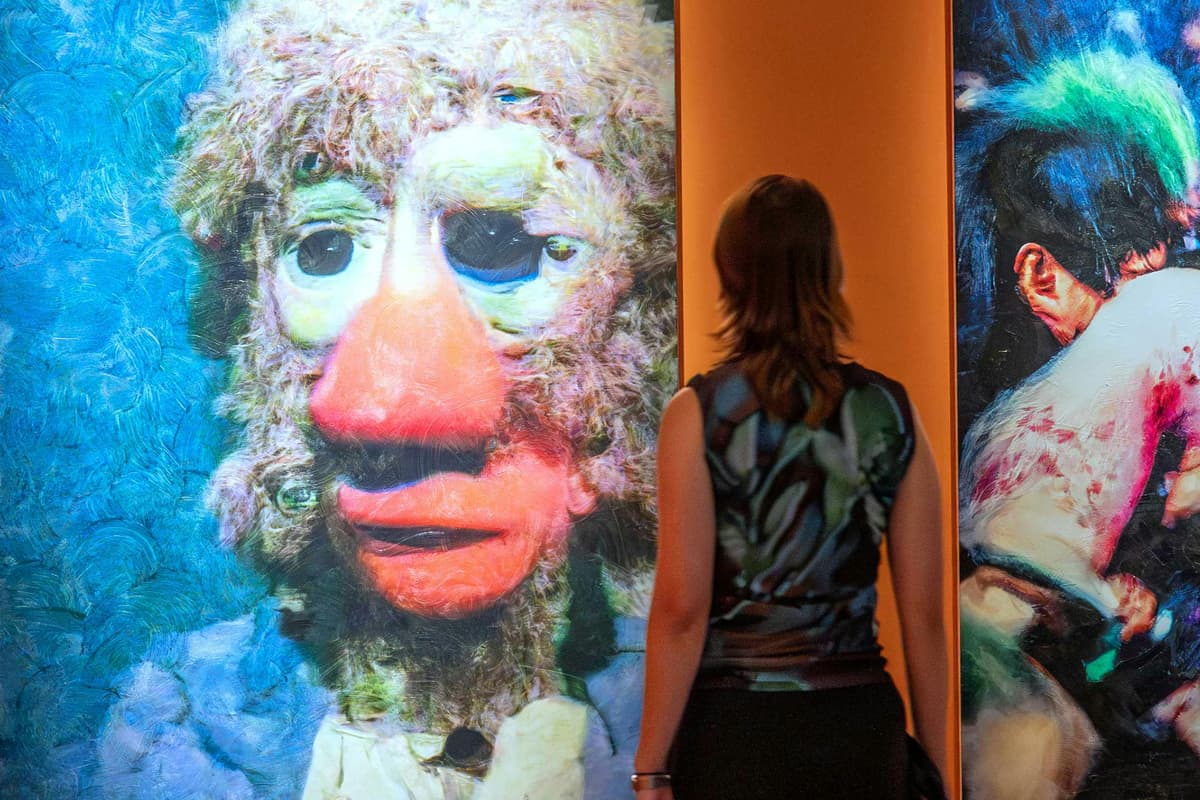
The “Main Stream Media” exhibition translates Rafman’s online obsession into a physical experience. Curated with architect Liam Denhamer, the space overloads visitors with screen‑printed walls, mummified‑chair seating and a hyper‑immersive LED tunnel, echoing the sensory overload of social feeds. By framing the internet as both mirror and distortion of reality, Rafman invites a critical look at how algorithms flatten creativity, a theme that resonates with executives grappling with brand authenticity in a fragmented media landscape.
Rafman’s long‑standing use of AI, video‑game engines and hyper‑real avatars anticipates the current surge in generative tools across creative industries. His claim that the internet has “collapsed consensus reality” underscores a market shift: audiences now demand immersive, algorithm‑aware content that blurs the line between art and commerce. For investors and cultural institutions, Rafman’s model offers a blueprint for monetizing digital fluency—turning viral internet aesthetics into high‑value exhibitions, limited‑edition collaborations, and new revenue streams in the post‑pandemic economy.
You Don’t Know You Know This Balenciaga-Backed Artist
Comments
Want to join the conversation?
Loading comments...