Bad at Sports
Episode 934: John Stezaker
Why It Matters
Stezaker's investigation of the gaps between images offers a fresh lens on how we consume and interpret visual media in an era of constant image flow, prompting listeners to consider the hidden narratives in everyday pictures. The episode is timely as it connects artistic practice to broader cultural anxieties—post‑pandemic displacement, refugee crises, and the erosion of stable Western narratives—making the discussion relevant for anyone grappling with how art reflects and reframes societal change.
Key Takeaways
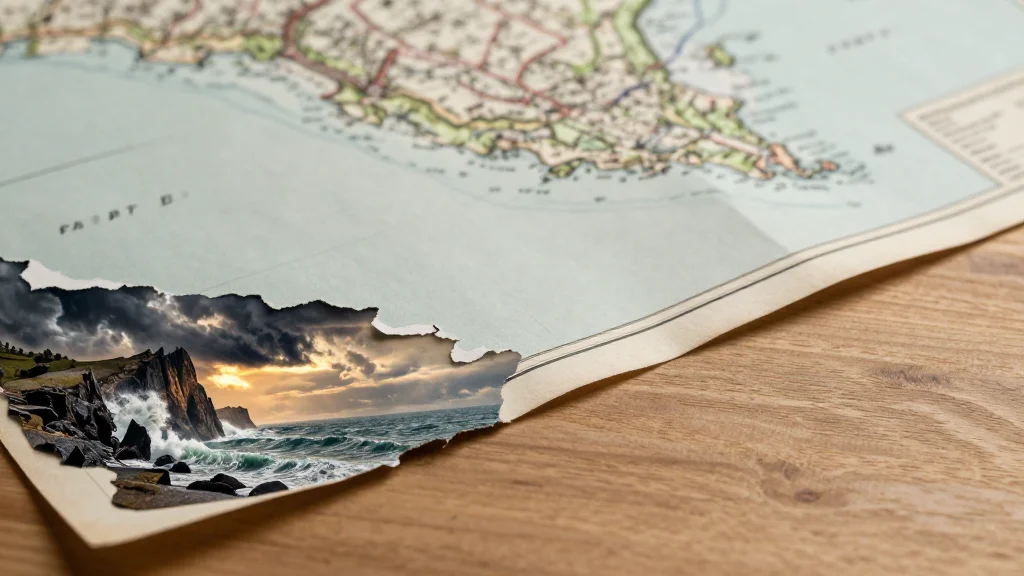
- •Raft collages merge Victorian photolithographs with coastal reflections.
- •Stezaker explores the liminal space between two images.
- •Work balances calm seas with underlying apocalyptic tension.
- •Collage process relies on single cut, embracing accidental outcomes.
- •Exhibition comments on imperial history and contemporary instability.
Pulse Analysis
John Stezaker’s new show, Raft, translates his decades‑long archive of Victorian topographical photolithographs into a series of stark, two‑image collages. Relocating his studio to a seaside town during the pandemic gave him daily low‑tide vistas, where sky and wet sand blur into a single horizon. Those reflections become the visual grammar of the exhibition, pairing historic imperial maps with contemporary seascapes to create a dialogue between past and present that feels both intimate and expansive.
At the heart of Stezaker’s practice is a fascination with the “non‑space” that exists between images. Rather than forcing a surreal third meaning, he lets a single, precise cut expose the tension between two disparate sources. This minimalist approach foregrounds the liminal zone where Victorian empire‑building postcards meet modern anxieties about climate, migration and geopolitical upheaval. By rejecting conventional photographic narratives and treating photographs as raw material, Stezaker highlights the uncanny, often apocalyptic undercurrents that surface when calm seas are juxtaposed with imperial iconography.
The artist’s process—working directly from original prints, embracing risk, and allowing accidental alignments to dictate meaning—offers a compelling case study for collectors and cultural strategists. Stezaker also integrates collage into his drawing and painting curricula, underscoring its pedagogical value in visual literacy. For a business audience, the exhibition signals how contemporary art can reinterpret historical imagery to comment on current instability, creating market‑relevant narratives that resonate with collectors seeking depth and relevance in a volatile cultural climate.
Episode Description
[audio src="https://traffic.libsyn.com/badatsports/Bad_at_Sports_Episode_934_John_Stezaker.mp3"]
download
working with found imagery, particularly Victorian-era topographical prints and film stills, and how his recent shift into landscape collage emerged during lockdown while living on the coast. What begins as a search for calm quickly mutates into something more unstable, even apocalyptic, mirroring broader cultural and political upheavals.
Comments
Want to join the conversation?
Loading comments...