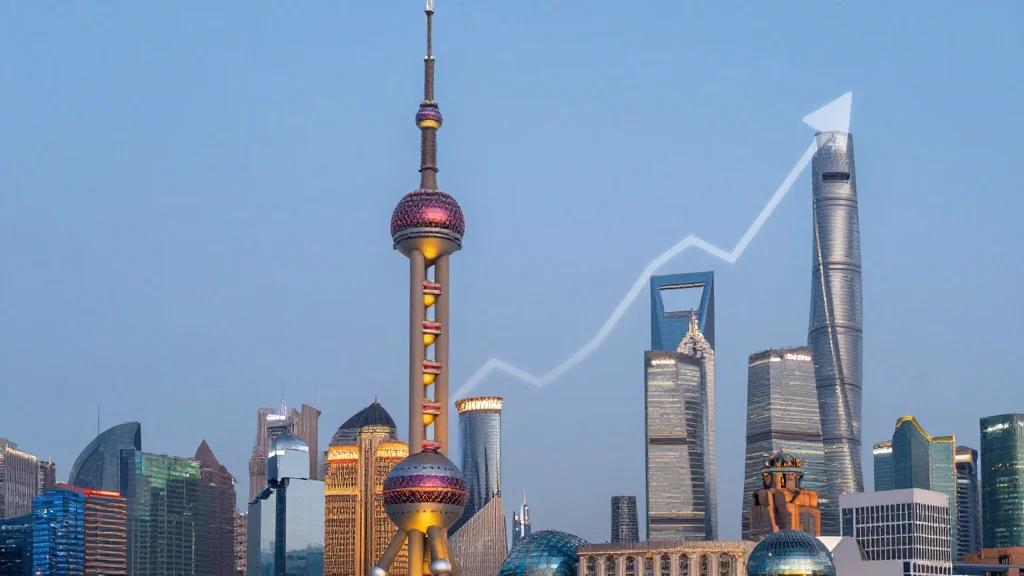
China's Shanghai and Shenzhen Indices Log Fifth Weekly Gain, Reach Two‑Month Highs

Why It Matters
China’s equity markets have become a barometer for global risk appetite, especially as the world watches the interplay between U.S. geopolitical moves and Sino‑U.S. diplomatic overtures. A fifth straight week of gains signals that domestic earnings and policy support are outweighing short‑term geopolitical jitters, encouraging both local and foreign capital to stay engaged. The performance also offers a counterpoint to weaker regional indices, suggesting that China may retain its role as the primary growth engine in Asia despite external headwinds. Moreover, the upcoming Trump‑Xi summit could either cement a new era of cooperation or deepen existing frictions. Market participants are poised to react sharply to any signals from the talks, making the current rally a potentially fleeting window of optimism. Understanding how these macro‑political dynamics intersect with sector‑level fundamentals will be crucial for investors seeking to navigate the volatile Asian landscape.
Key Takeaways
- •Shanghai Composite closed at 4,180, a two‑month high, flat on the day.
- •Shenzhen Component fell 0.5% to 15,564 but rose 3.02% week‑over‑week.
- •Both indices logged a fifth consecutive week of gains – Shanghai +1.65%, Shenzhen +3.02%.
- •Top Shanghai gainer: Datang International +9.92%; biggest loser: China Fortune -5.17%.
- •US‑Iran tensions and the pending Trump‑Xi summit are the primary external risks.
Pulse Analysis
The five‑week winning streak in China’s equity markets reflects a rare convergence of solid corporate earnings, accommodative monetary policy, and a tentative optimism that the government can insulate its economy from external shocks. Historically, Chinese indices have been vulnerable to geopolitical turbulence, but the current rally suggests that investors are pricing in a belief that Beijing’s policy toolkit – from fiscal stimulus to regulatory easing – can offset short‑term disruptions.
From a technical perspective, the Shanghai Composite’s flat close at a two‑month high indicates a consolidation phase rather than a breakout, implying that the next catalyst will likely be macro‑policy or diplomatic in nature. The Shenzhen Component’s daily dip, juxtaposed with its robust weekly gain, highlights a sector rotation toward higher‑growth, tech‑heavy stocks while energy‑linked names remain under pressure due to the Strait of Hormuz concerns.
Looking forward, the Trump‑Xi summit will serve as a litmus test for market sentiment. A constructive outcome could trigger a fresh inflow of foreign capital, reinforcing the rally and potentially narrowing the valuation gap between Chinese and broader Asian equities. Conversely, a stalled dialogue may reignite risk aversion, especially if tensions in the Middle East intensify. Investors should therefore monitor diplomatic signals, oil price movements, and any policy adjustments from the People’s Bank of China as the primary variables that will dictate whether this streak evolves into a longer‑term uptrend or reverts to a correction.
China's Shanghai and Shenzhen Indices Log Fifth Weekly Gain, Reach Two‑Month Highs
Comments
Want to join the conversation?
Loading comments...