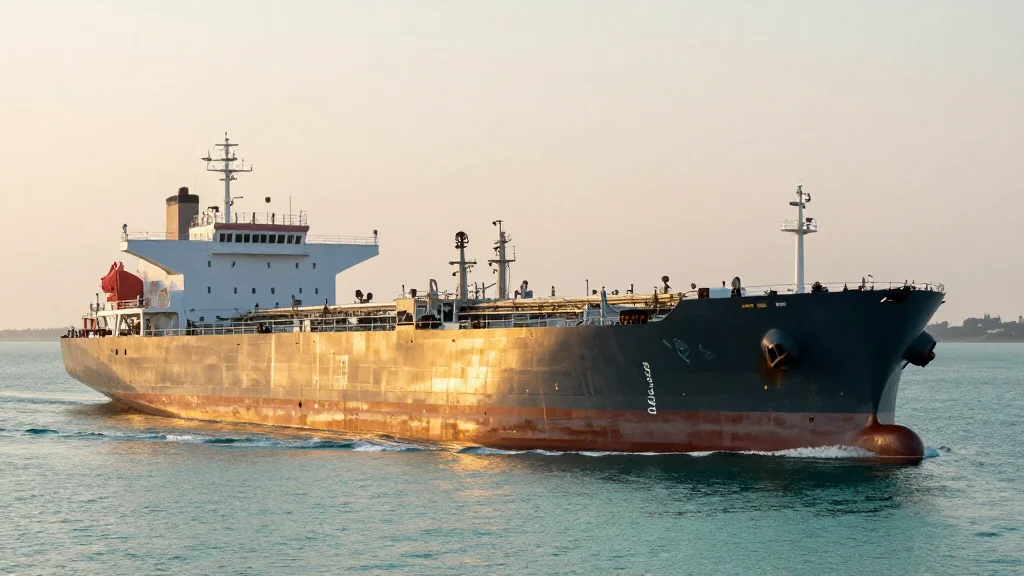
Stalled Iran Peace Talks Push Brent Above $112, Drag Asian Stocks Lower

Why It Matters
The stalled peace talks directly tie geopolitical risk to commodity markets, creating a feedback loop that can depress growth in oil‑importing Asian economies. Higher crude prices erode profit margins for manufacturers and increase inflationary pressure, prompting central banks to consider tighter monetary policy. For investors, the situation underscores the importance of monitoring geopolitical developments as a catalyst for market volatility. Moreover, the UAE’s exit from OPEC and OPEC+ adds uncertainty to global supply dynamics, potentially reshaping the balance of power among oil producers. Asian investors must weigh both supply‑side shocks and demand‑side constraints when positioning portfolios amid an already fragile macro environment.
Key Takeaways
- •Brent crude rose to $111.93 per barrel, WTI to $100.62, as Iran peace talks stalled.
- •Hang Seng Index up 1.1% while Nikkei 225 fell 1.1% after the Bank of Japan kept rates at 0.75%.
- •UAE announced withdrawal from OPEC and OPEC+, citing a strategic decision.
- •Marco Rubio called Iran's proposal "better than expected" but demanded nuclear safeguards.
- •Higher oil prices threaten to slow growth in Japan, which imports over 80% of its oil via the Strait of Hormuz.
Pulse Analysis
The latest oil rally illustrates how quickly geopolitical flashpoints can translate into market moves, especially in a region where energy imports are a structural vulnerability. Japan’s 1.1% slide in the Nikkei underscores the sensitivity of its equity market to crude price spikes, a pattern that repeats whenever the Hormuz corridor is threatened. The Bank of Japan’s decision to hold rates steady, despite the inflationary push from oil, signals a cautious stance that may shift if energy costs remain elevated.
The UAE’s departure from OPEC and OPEC+ could have longer‑term ramifications for supply discipline. While the immediate market impact was muted, the move hints at a possible re‑alignment of production quotas, which could tighten global oil markets further if other producers do not fill the gap. Asian investors should therefore monitor not only the diplomatic talks but also the evolving OPEC landscape for clues about future price trajectories.
Finally, the mixed performance across Asian indices highlights a divergence in exposure. Export‑oriented economies like South Korea, which benefit from a weaker dollar, managed modest gains, whereas import‑heavy markets such as Japan and Hong Kong felt the drag. This split suggests that portfolio strategies will need to be more nuanced, balancing exposure to energy‑intensive sectors against those that can thrive in a higher‑rate, higher‑inflation environment.
Stalled Iran Peace Talks Push Brent Above $112, Drag Asian Stocks Lower
Comments
Want to join the conversation?
Loading comments...