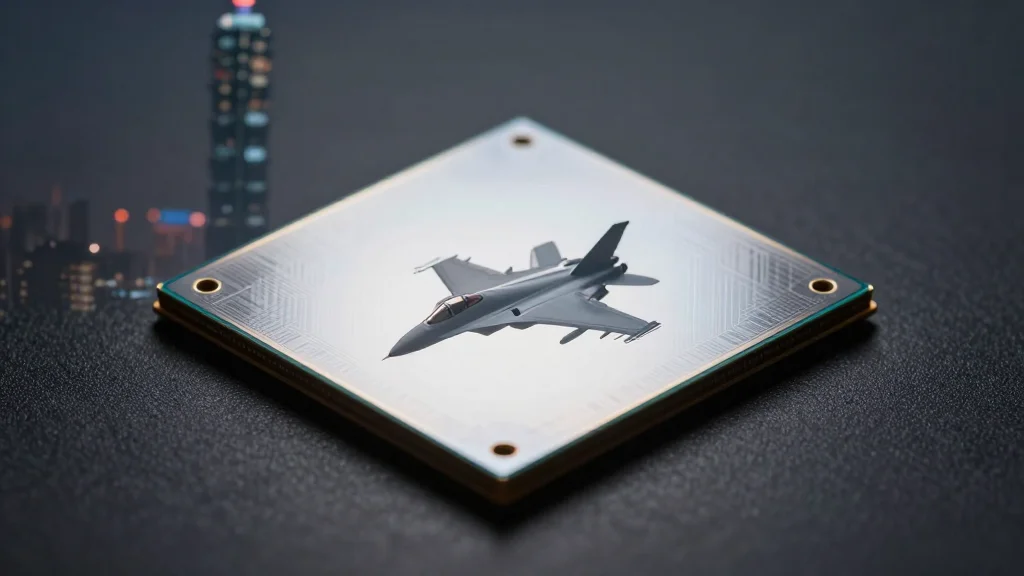
Taiwan Detects 16 Chinese Warplanes as Xi Meets KMT Leader, Raising Market Risk

Why It Matters
The sighting of Chinese warplanes amid high‑level political talks revives concerns that geopolitical flashpoints can quickly translate into market volatility. Taiwan’s semiconductor industry, a cornerstone of global tech supply chains, is especially vulnerable; any perceived threat to its stability can trigger sell‑offs in related equities across Asia. Moreover, the episode highlights how diplomatic engagements can be shadowed by military maneuvers, forcing investors to incorporate security risk into valuation models for regional stocks. For portfolio managers, the event underscores the need for dynamic risk management strategies that account for sudden geopolitical shifts. The dual messaging from Beijing—peace overtures paired with force projection—creates an environment where market sentiment can swing sharply on new intelligence, affecting not only Taiwan‑listed firms but also multinational corporations with exposure to the island’s manufacturing ecosystem.
Key Takeaways
- •Taiwan's defence ministry logged 16 Chinese warplanes near the island on Friday.
- •The flights coincided with President Xi's meeting with KMT chairwoman Cheng Li-wun in Beijing.
- •Deputy minister Shen Yu-chung warned that military coercion is China's "go‑to tactic" for political pressure.
- •KMT Vice Chairman Chang Jung‑kung called for "peace with dignity" rather than symbolic gestures.
- •Analysts say the dual signals could heighten volatility in Taiwan‑heavy tech stocks and broader Asian equities.
Pulse Analysis
The convergence of diplomatic dialogue and overt military activity signals a nuanced escalation strategy by Beijing. Historically, Beijing has leveraged both soft power and hard power to influence Taiwan's political calculus, but the simultaneous deployment of 16 warplanes during a high‑profile meeting is a stark reminder that coercive signaling remains a core lever. For investors, this duality translates into a higher risk premium on Taiwan‑centric equities, especially semiconductor giants that dominate the TWSE and supply chains worldwide.
From a market‑structure perspective, the episode may prompt a reallocation of capital toward assets perceived as less exposed to cross‑strait tensions, such as mainland Chinese firms with limited Taiwan exposure or diversified regional ETFs. Hedge funds could increase short positions on Taiwan‑listed tech stocks, while sovereign wealth funds might seek to hedge currency exposure to the New Taiwan dollar. The episode also raises the stakes for multinational corporations that rely on Taiwanese fabs; any disruption could reverberate through global tech inventories, affecting earnings forecasts and prompting earnings revisions.
Looking ahead, the next round of cross‑strait talks will be a litmus test for market sentiment. If diplomatic overtures gain traction without further military displays, risk appetite could rebound, lifting tech‑heavy indices. Conversely, a continuation of warplane sorties would likely cement a risk‑off stance, driving investors toward defensive sectors and safe‑haven assets. Market participants should therefore monitor both diplomatic statements and real‑time military activity to gauge the evolving risk landscape.
Taiwan Detects 16 Chinese Warplanes as Xi Meets KMT Leader, Raising Market Risk
Comments
Want to join the conversation?
Loading comments...