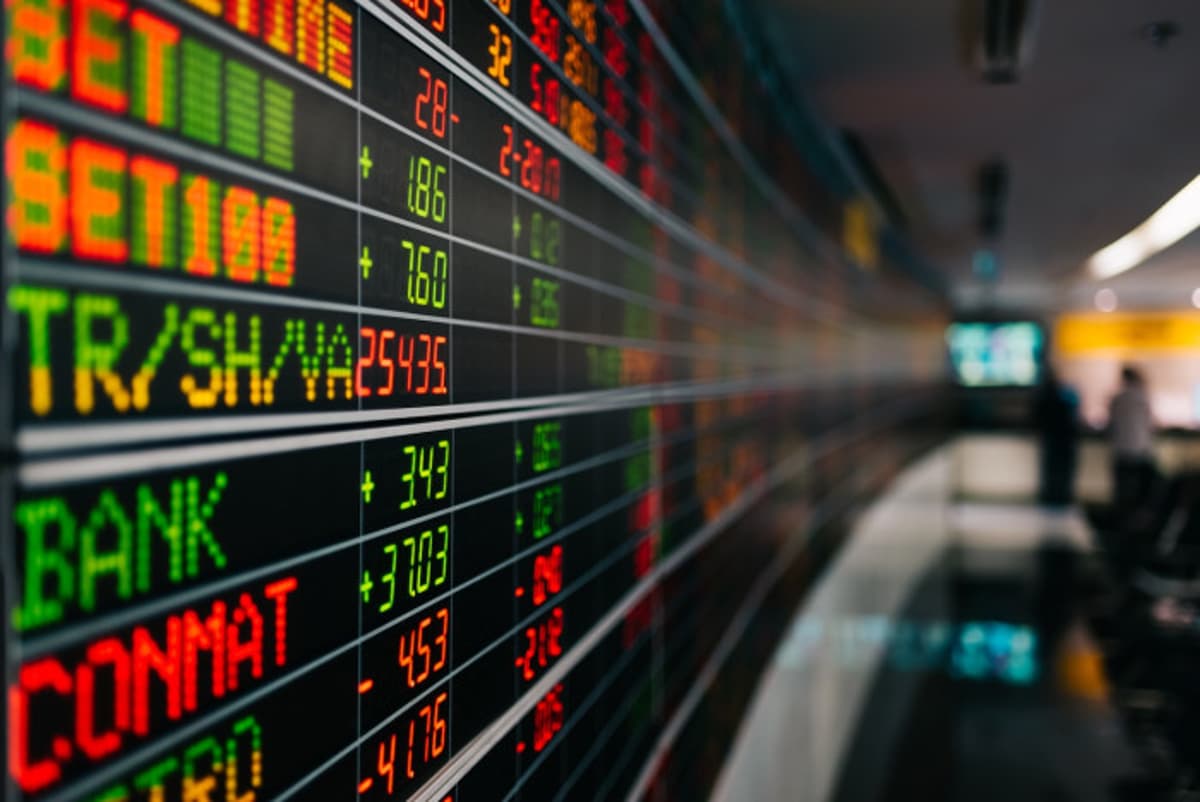
Thai Markets Weathering Middle East Turmoil
Companies Mentioned
Why It Matters
Thailand’s resilience signals a safe haven for regional investors and underscores the country’s capacity to attract FDI amid geopolitical uncertainty. The outlook also hints at potential upside for the baht and equity markets if diplomatic tensions ease.
Key Takeaways
- •Moody's rates Thailand among five emerging markets resilient to shocks
- •SET fell only 0.3% despite prolonged Middle East war
- •Thai banks' liquidity improved, supporting market stability
- •FDI hit record Q1 2026, driven by data centre sector
- •Baht gains as dollar weakens, but volatility remains possible
Pulse Analysis
Moody’s recent assessment positions Thailand alongside Malaysia, India, Indonesia and Mexico as the most shock‑proof emerging economies. The agency cites a decade of tighter fiscal discipline, higher foreign‑exchange reserves and a banking sector that has rebuilt liquidity buffers after the pandemic. For investors, this translates into lower sovereign risk premiums and continued access to capital markets, even as global interest rates rise and trade tensions persist. The rating also reinforces Thailand’s appeal as a regional hub for multinational firms seeking stable macro‑economic conditions.
The Thai bourse demonstrated remarkable steadiness during the latest US‑Iran confrontation, slipping just 0.3% while many Asian indices wavered. A 57% weighting in technology and commodities helped offset geopolitical jitters, with oil‑related earnings and tech upgrades delivering positive surprises across 46 listed firms. Meanwhile, foreign direct investment surged to a record high in the first quarter of 2026, driven largely by data‑centre projects that align with the country’s digital‑infrastructure push. This influx of capital not only fuels growth but also deepens the market’s liquidity, supporting higher valuations for growth‑oriented stocks.
Currency dynamics add another layer to Thailand’s outlook. The baht has appreciated as the dollar weakens, spurred by optimism around a potential US‑Iran memorandum that could reopen the Strait of Hormuz. While analysts warn that renewed flare‑ups could temporarily depress the baht, the medium‑term trajectory points to further strength as monetary tightening abroad eases and regional investors reallocate funds into Thai assets. For portfolio managers, the combination of a resilient equity market, solid reserve buffers and a strengthening currency creates a compelling case for increased exposure to Thailand’s financial and real‑estate sectors.
Thai markets weathering Middle East turmoil
Comments
Want to join the conversation?
Loading comments...