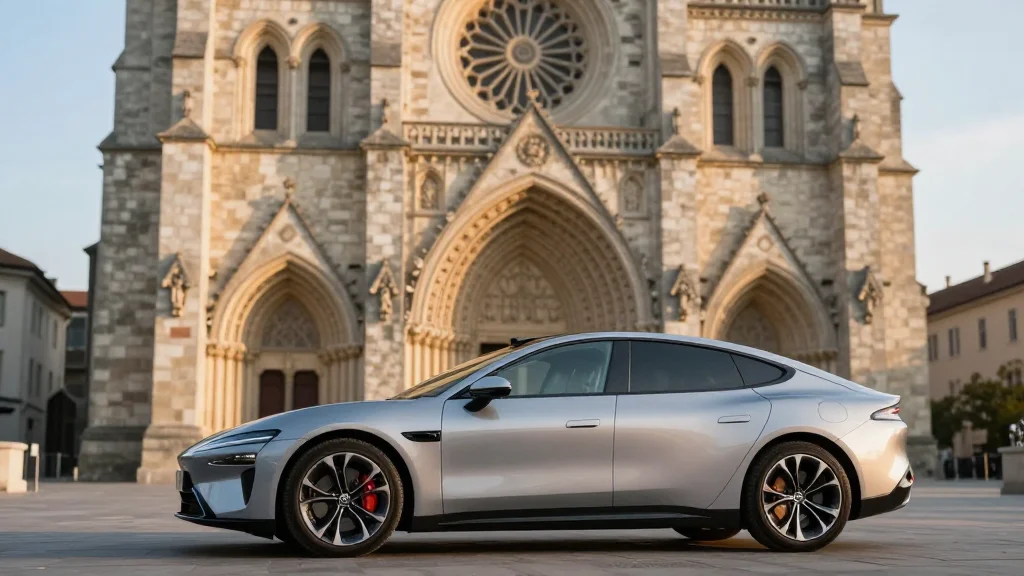
A Modern-Day Luther Nails 12 Theses to Auto Dealership Door, Demanding that They Sell EVs
Companies Mentioned
Why It Matters
The shift toward direct EV sales threatens the traditional franchise revenue model, prompting legal challenges and potentially redefining how cars are bought and serviced in the United States.
Key Takeaways
- •Dealers sue EV makers over direct‑sales plans, e.g., Volkswagen Scout
- •12 satirical theses liken dealership model to medieval church
- •Tesla, Rivian, Lucid already sell directly in most U.S. states
- •Washington law permits direct sales only for pure‑EV brands without franchise history
- •Legacy automakers may launch own stores, threatening traditional franchise revenue
Pulse Analysis
The rise of electric vehicles is accelerating a structural upheaval in auto retail. Historically, dealerships justified their franchise model by offering maintenance, financing and a trusted sales conduit for internal‑combustion cars. Today, consumers arrive armed with online research, price comparisons and detailed EV specifications, eroding the informational monopoly that once protected dealers. Brands that produce only battery‑electric models—Tesla, Rivian, Lucid—have leveraged state‑by‑state exemptions to bypass franchising rules, establishing storefronts that double as brand experience centers rather than traditional sales pits.
Legislative responses reflect this tension. Washington’s recent law, for example, grants direct‑sale rights exclusively to manufacturers that have never operated franchised outlets and sell solely EVs, effectively codifying a split market. Other states have followed suit, carving out loopholes that favor pure‑EV players while preserving the franchise system for legacy automakers. This regulatory patchwork fuels litigation, as seen in the lawsuit filed by a coalition of dealers against Volkswagen’s Scout brand, which seeks to sell plug‑in models directly to consumers despite not meeting the pure‑EV criteria.
Looking ahead, the pressure on legacy manufacturers to control their own distribution channels is mounting. If giants like Ford and General Motors launch proprietary stores, the traditional dealer network could see a substantial revenue decline, forcing a re‑evaluation of service models, financing structures, and even the role of physical showrooms. The outcome will shape not only automotive retail but also broader energy and mobility ecosystems, as direct sales enable tighter integration of vehicles with charging infrastructure and software updates, reinforcing the EV revolution’s momentum.
A modern-day Luther nails 12 theses to auto dealership door, demanding that they sell EVs
Comments
Want to join the conversation?
Loading comments...