BYD’s FLASH Charging Is an Exercise in Systems Engineering
Companies Mentioned
Why It Matters
The solution proves ultra‑fast EV charging can be deployed without massive grid reinforcement, accelerating adoption and reshaping charging infrastructure economics.
Key Takeaways
- •1.5 MW charger delivers 10%‑70% charge in five minutes.
- •FlashPass battery reduces internal resistance for 10C charging rates.
- •On‑site storage decouples megawatt demand from utility grid.
- •Liquid‑cooled connector and pulley system improve user ergonomics.
- •Denza Z9GT range reaches ~800 km on a single flash charge.
Pulse Analysis
BYD’s flash‑charging platform pushes the envelope of electric‑vehicle power delivery by marrying a high‑energy Blade 2.0 cell with a proprietary FlashPass ion‑transport system. The three‑pronged approach—Flash‑Release cathode, Flash‑Flow electrolyte and Flash‑Intercalate anode—lowers internal resistance enough to sustain a 10C charge rate without lithium plating or thermal runaway. In laboratory tests the pack survived simultaneous flash charge and nail‑penetration assaults after 500 cycles, proving that ultra‑fast charging can coexist with the safety standards demanded by regulators and consumers alike.
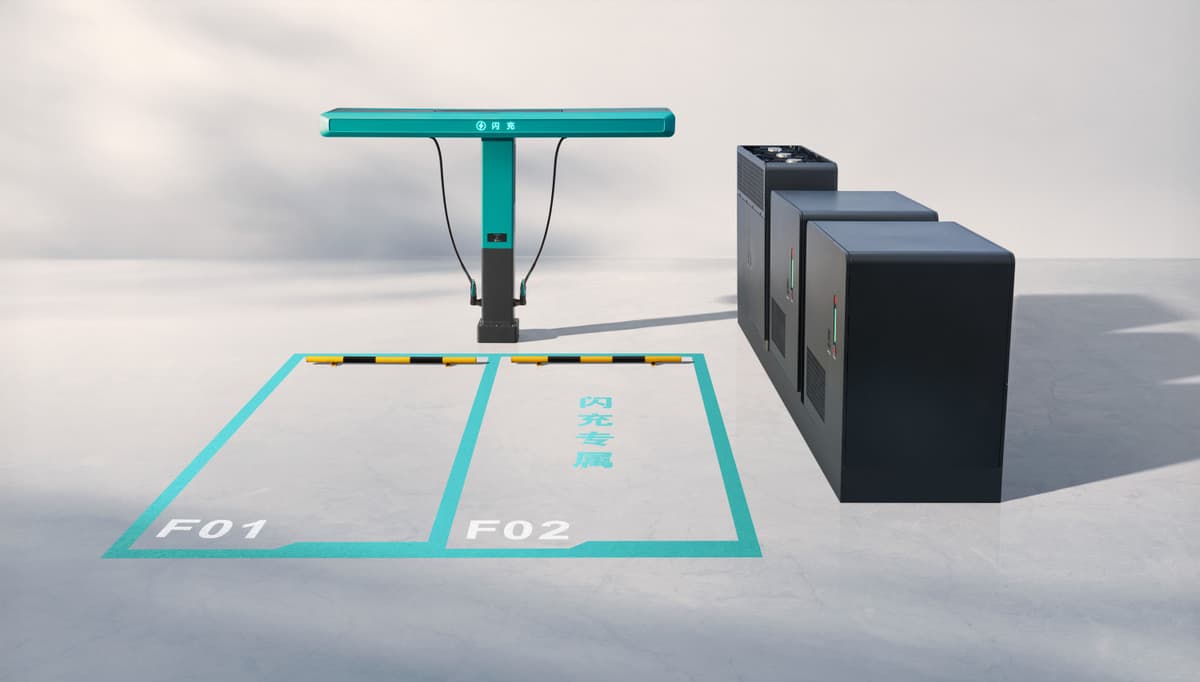
The real breakthrough lies in how BYD mitigates the grid shock of a 1.5 MW draw. Each station incorporates a co‑located energy‑storage unit that charges slowly during off‑peak periods, then discharges instantaneously to supply the megawatt burst. This buffer eliminates the need for costly utility upgrades and respects the grid’s limited slew rate. Coupled with liquid‑cooled, high‑current connectors and a T‑shaped pulley that eases the 1,500 A cable’s weight, the design prioritises both reliability and driver ergonomics, addressing a common barrier to widespread fast‑charging deployment.
From a market perspective, flash charging could reshape EV ownership by shrinking long‑distance refueling times to a coffee‑break window. The Denza Z9GT’s claimed 800 km range after a nine‑minute charge positions BYD to compete directly with gasoline‑powered sedans in high‑density corridors. If the storage‑buffer model proves scalable, other manufacturers may adopt similar architectures, prompting a shift toward decentralized micro‑grids at charging sites. Investors and utilities will watch closely, as the technology promises to accelerate EV adoption while limiting the capital burden on power networks.
BYD’s FLASH Charging is an exercise in systems engineering
Comments
Want to join the conversation?
Loading comments...