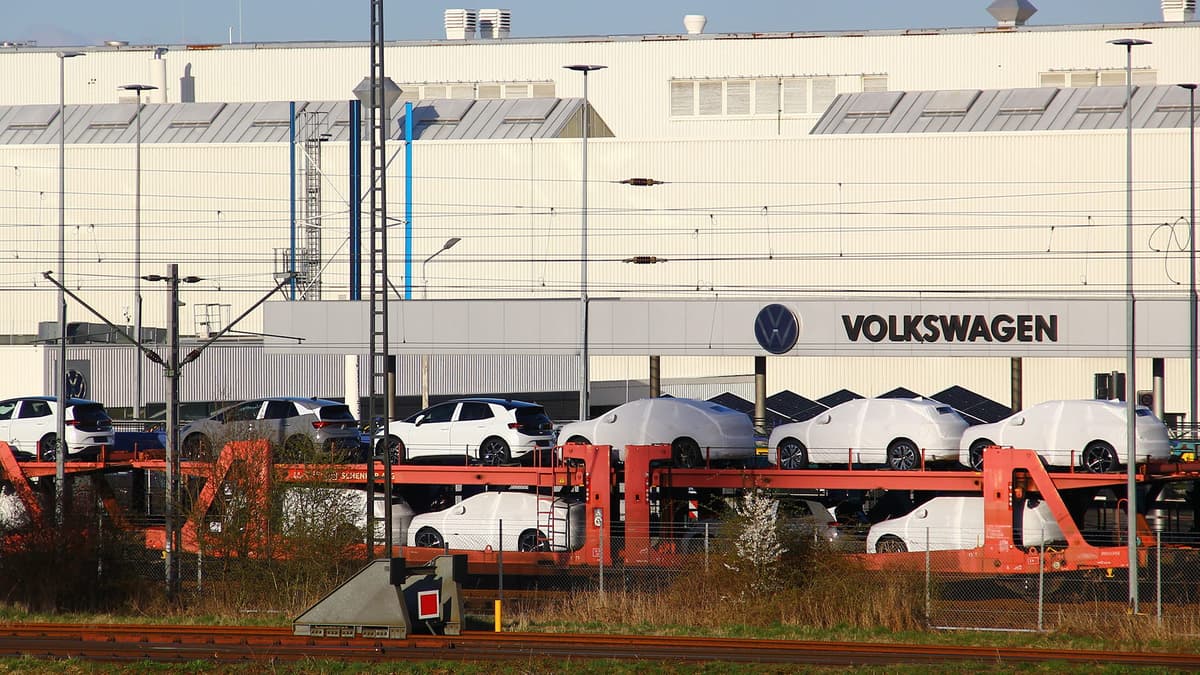
Chinese EV Makers Awaken Western Rivals’ Zombie Production Lines
Companies Mentioned
Why It Matters
The strategy fast‑tracks Chinese EV penetration in Europe and Latin America while giving Western manufacturers a way to offset overcapacity and preserve cash flow.
Key Takeaways
- •Stellantis to host Leapmotor in Spain, Dongfeng in France
- •Geely eyeing dormant Ford line in Spain; BYD bought Ford Brazil plant
- •EU draft rule demands 70% local content for EV subsidies
- •Chinese firms face higher European labor costs and regulatory compliance
- •UBS predicts Chinese EV share rising to 35% globally by 2030
Pulse Analysis
Chinese automakers are turning idle Western factories into springboards for global growth. By partnering with Stellantis, Geely, and BYD, they can quickly establish local assembly lines without the years‑long lead time of greenfield projects. The approach also helps them navigate protectionist policies, such as the European Union’s proposed 70% local‑content requirement for EV subsidies and steep import tariffs that can exceed 30% in key markets. Leveraging China’s inexpensive battery supply chain, these firms can price their models competitively while meeting regional content rules.
For legacy manufacturers, the influx of Chinese partners offers a pragmatic solution to chronic overcapacity. Companies like Stellantis and Volkswagen have announced cuts to global output, aiming to align production with waning demand for internal‑combustion vehicles. By leasing or selling underutilized lines, they can generate revenue, reduce fixed costs, and retain a foothold in the accelerating EV transition. The deals also provide a buffer against supply‑chain disruptions, as Chinese partners bring their own component sourcing networks and battery expertise.
However, the road ahead is not without friction. European labor costs are substantially higher than in China, and stringent emissions, safety, and local‑content regulations will raise compliance expenses for incoming Chinese firms. Analysts caution that while the short‑term gains are clear, long‑term profitability will hinge on how efficiently these automakers can integrate into existing supply chains and manage cost differentials. If they succeed, the industry could see a reshaped competitive landscape, with Chinese EVs commanding a sizable share of global sales by the end of the decade.
Chinese EV makers awaken Western rivals’ zombie production lines
Comments
Want to join the conversation?
Loading comments...