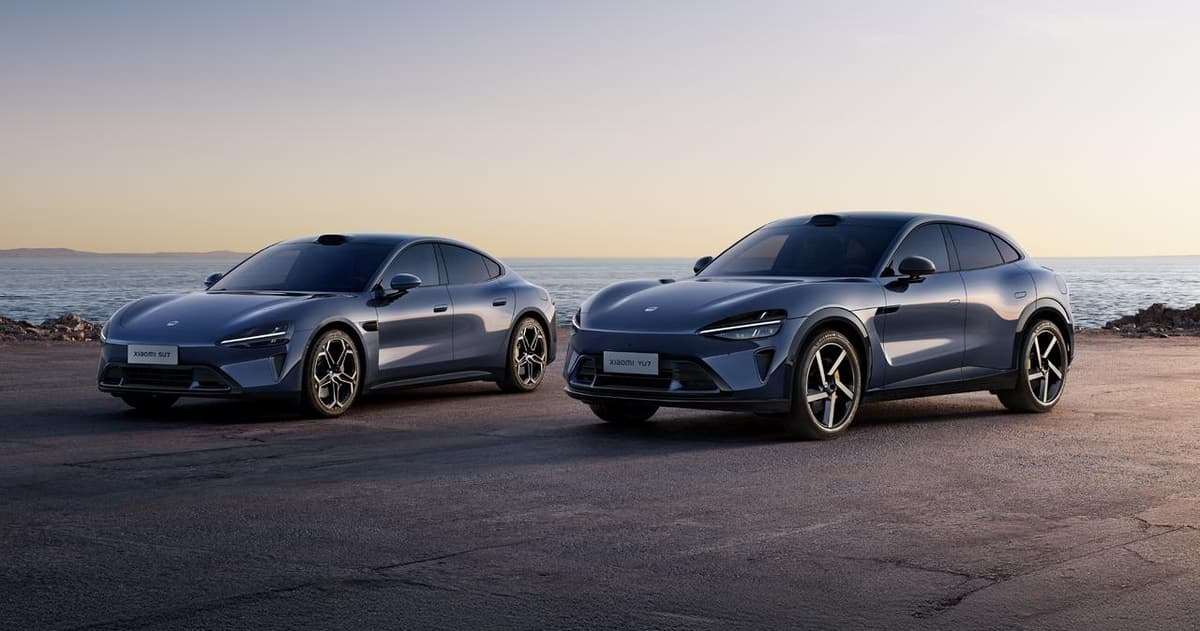
Chinese EVs Flood US Social Media Despite 100% Tariff Wall
Companies Mentioned
Why It Matters
The viral exposure builds consumer demand that tariffs cannot suppress, pressuring U.S. policymakers and incumbents to rethink trade and competitive strategies.
Key Takeaways
- •58% of US EV shoppers saw Chinese EVs on TikTok
- •ByteDance's Dongchedi supplies test‑drive content to US creators
- •38% of Americans would consider a Chinese EV if available
- •Geely eyes US launch using Volvo’s South Carolina plant within 3 years
Pulse Analysis
Chinese electric‑vehicle makers are bypassing a 100 % import tariff by turning U.S. social platforms into de‑facto showrooms. An AlixPartners poll of 9,000 potential buyers found that 58 % of respondents had encountered a Chinese EV on TikTok, and a Cox Automotive study showed 38 % would seriously consider one if it were sold domestically. The surge is not organic; DCar Studio, the U.S. arm of ByteDance‑owned Dongchedi, coordinates test‑drive videos for influencers such as Marques Brownlee, delivering high‑production content that frames Chinese models as premium yet affordable alternatives.
The wave of digital exposure challenges the rationale behind the tariff, which was intended to shield domestic manufacturers from price competition. While the duty blocks physical sales, it does nothing to curb brand awareness or demand creation. Canada has already responded by slashing its tariff to 6.1 %, allowing thousands of Chinese EVs to enter the market, and BYD is opening a network of dealerships north of the border. In the United States, BYD has filed a legal challenge to the executive orders, signaling a willingness to fight the policy on trade courts.
U.S. automakers are watching the trend closely. Ford’s CEO Jim Farley has publicly warned of a “devastating” Chinese threat while simultaneously exploring joint‑venture possibilities that could give Ford a foothold in the emerging demand. Geely’s plan to assemble vehicles at Volvo’s South Carolina plant within the next 24‑36 months illustrates a hybrid approach that blends local production with brand equity. As consumer sentiment shifts, policymakers may need to reconsider whether tariffs alone can protect the domestic market or whether a coordinated strategy involving standards, subsidies, and supply‑chain incentives is required.
Chinese EVs flood US social media despite 100% tariff wall
Comments
Want to join the conversation?
Loading comments...