Combustion Engines Disappear From China’s Bestselling Car Rankings
Companies Mentioned
Why It Matters
The milestone signals a decisive market pivot that pressures legacy automakers to accelerate electrification and reshapes global supply chains, while solidifying China’s role as the world’s largest NEV market.
Key Takeaways
- •May 2026: all top‑10 Chinese car sales were NEVs
- •Pure‑electric models occupied the top five positions
- •NEV retail share hit 62.9% in May, record high
- •Combustion models vanished after Geely Binyue dropped out
- •Tesla remains top foreign brand with Model Y leading sales
Pulse Analysis
China’s automotive landscape has reached a tipping point, as May’s sales data show every top‑ten model powered by electricity or plug‑in hybrids. Government incentives, expanding charging infrastructure, and stringent emissions standards have driven consumer adoption, pushing NEVs past the 50 percent threshold in wholesale volumes earlier this year. The 62.9 percent retail share recorded by the China Passenger Car Association marks the highest penetration to date, confirming that Chinese buyers now prioritize range, technology, and sustainability over traditional gasoline performance.
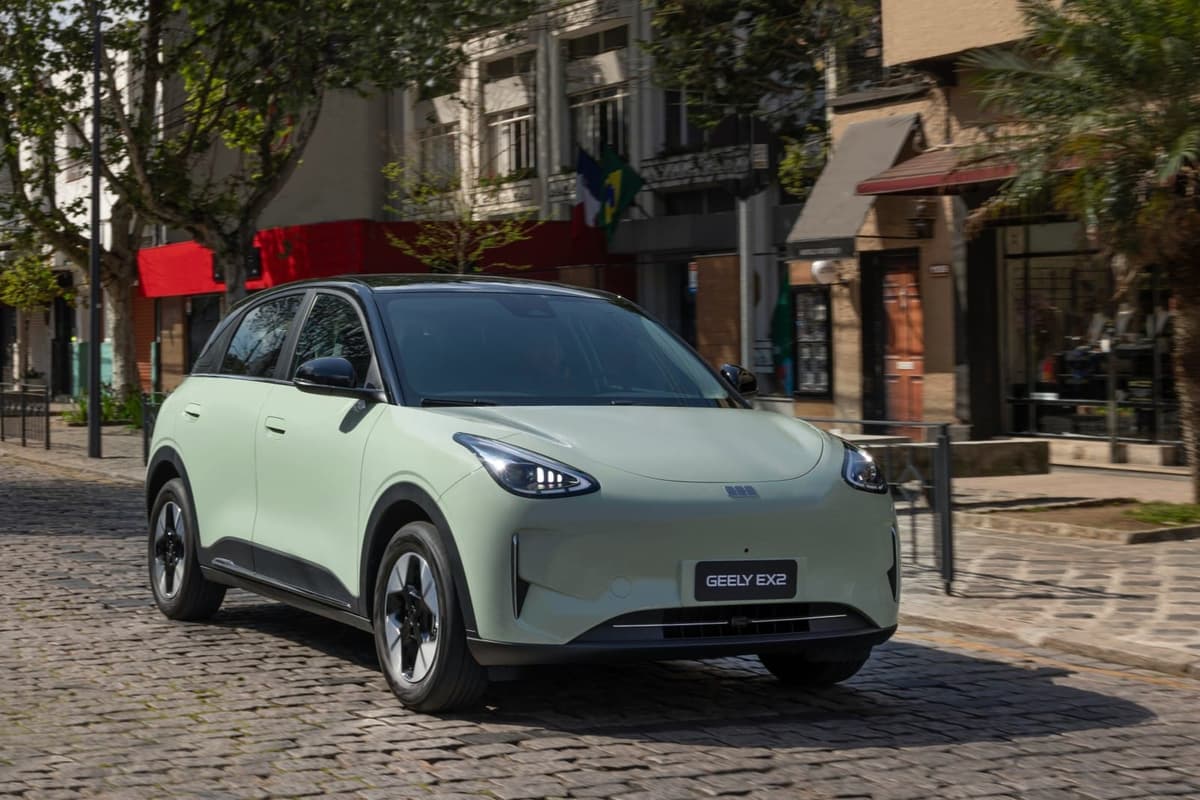
For manufacturers, the data is a wake‑up call. Legacy brands that once dominated with internal‑combustion SUVs must retool production lines, invest in battery sourcing, and forge software partnerships to stay relevant. Meanwhile, pure‑play EV makers like BYD, Leapmotor, and Xiaomi are scaling rapidly, leveraging domestic supply chains to outpace foreign rivals. Tesla, despite strong brand equity, now competes for a shrinking slice of the market, as homegrown models such as the Geely EX2 and Li Auto i6 capture consumer attention with localized features and price points.
Looking ahead, China’s NEV dominance is likely to spill over into global markets. Export‑oriented factories are already gearing up to ship electric models abroad, while the country’s standards for charging and autonomous driving could become de‑facto benchmarks. However, challenges remain, including raw‑material constraints and the need for continued policy support. If the current trajectory holds, China will not only dictate the pace of EV adoption domestically but also shape the future of the worldwide automotive industry.
Combustion engines disappear from China’s bestselling car rankings
Comments
Want to join the conversation?
Loading comments...