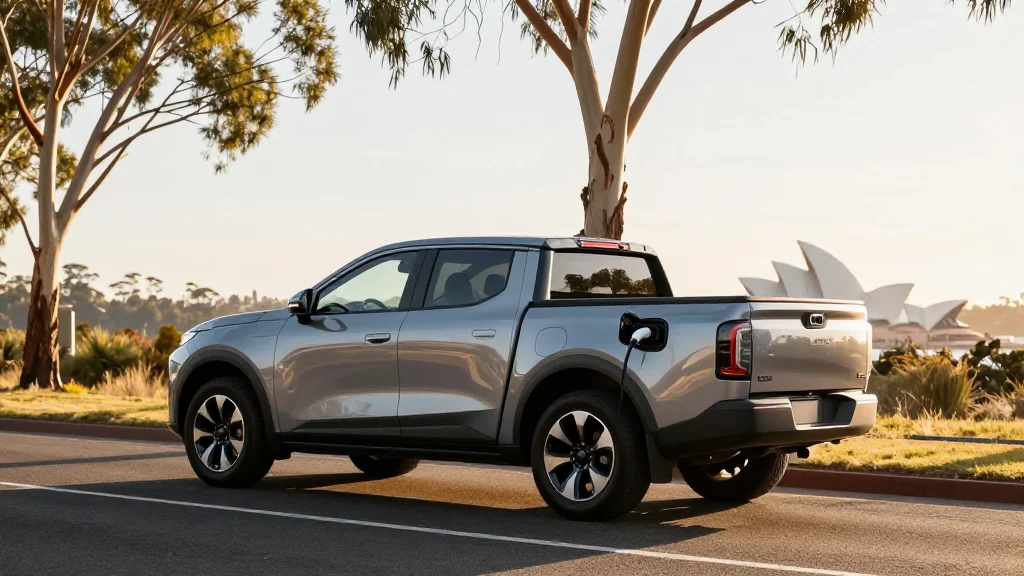
Diesel Ute and SUV Sales Crunched as Buyers Look to Go Electric
Companies Mentioned
Why It Matters
The shift accelerates Australia’s decarbonisation of transport and pressures traditional diesel manufacturers to adapt or lose market share. It also highlights growing consumer appetite for electrified light‑commercial vehicles, reshaping the ute segment.
Key Takeaways
- •Diesel utes sales fell 16.4% year‑over‑year in 2026
- •EVs now represent 20% of all new Australian vehicle sales
- •Toyota's new Hilux electric ute delivered 14 units in May
- •BYD Shark 6 sold 25,000 units in 14 months, boosting PHEV ute market
- •Over 70,000 Australians switched to EVs in first five months 2026
Pulse Analysis
Australia’s electric‑vehicle market is entering a tipping point, with May sales reaching an unprecedented 20% of all new registrations. The surge follows a sharp rise in petrol and diesel prices that nudged cost‑conscious buyers toward cleaner alternatives. Industry analysts attribute the growth to broader model availability, expanding charging infrastructure, and government incentives that together lower the total cost of ownership for battery‑electric and plug‑in hybrid vehicles. As a result, EVs are no longer a niche segment but a mainstream choice for both private motorists and fleet operators.
The decline in diesel-powered utes underscores a structural shift in the light‑commercial segment. FCAI vFacts data shows a 16.4% drop in diesel ute sales compared with 2025, while Toyota’s iconic Hilux recorded 2,600 fewer units sold. Although Toyota introduced a low‑range electric Hilux, only 14 units were delivered in May, indicating early adoption hurdles such as limited range and model variety. Meanwhile, BYD’s Shark 6 PHEV ute has captured significant attention, delivering 25,000 units in just 14 months and offering a 3.5‑tonne towing capacity that rivals traditional diesel models. Ford’s premium 4×4 variants also suffered, losing 1,600 units, reflecting broader consumer reluctance to invest in high‑cost diesel options amid volatile fuel prices.
Looking ahead, sustained high diesel prices and tightening emissions regulations are likely to cement the momentum toward electrified utes and SUVs. Manufacturers that can scale electric powertrains—particularly those offering competitive range and payload capabilities—will capture the displaced diesel demand. Policy makers may further accelerate adoption through stricter emissions targets and expanded subsidies. For Australian fleets, the transition promises lower operating costs and a greener brand image, while the broader market can expect a reshaped competitive landscape where EVs dominate the next decade of light‑commercial vehicle sales.
Diesel ute and SUV sales crunched as buyers look to go electric
Comments
Want to join the conversation?
Loading comments...