EVs Cheaper than Petrol on Average for the First Time
Companies Mentioned
Why It Matters
Price parity removes the upfront cost barrier that has slowed EV adoption, accelerating the transition to electric mobility and reshaping dealer inventory strategies. The trend signals a tipping point for manufacturers and policymakers aiming to meet emissions targets.
Key Takeaways
- •Average EV price $54k, undercutting petrol models at $55k.
- •Manufacturer discounts on EVs remain above 11% in April 2026.
- •MG leads EV enquiries with 11.7% share on AutoTrader.
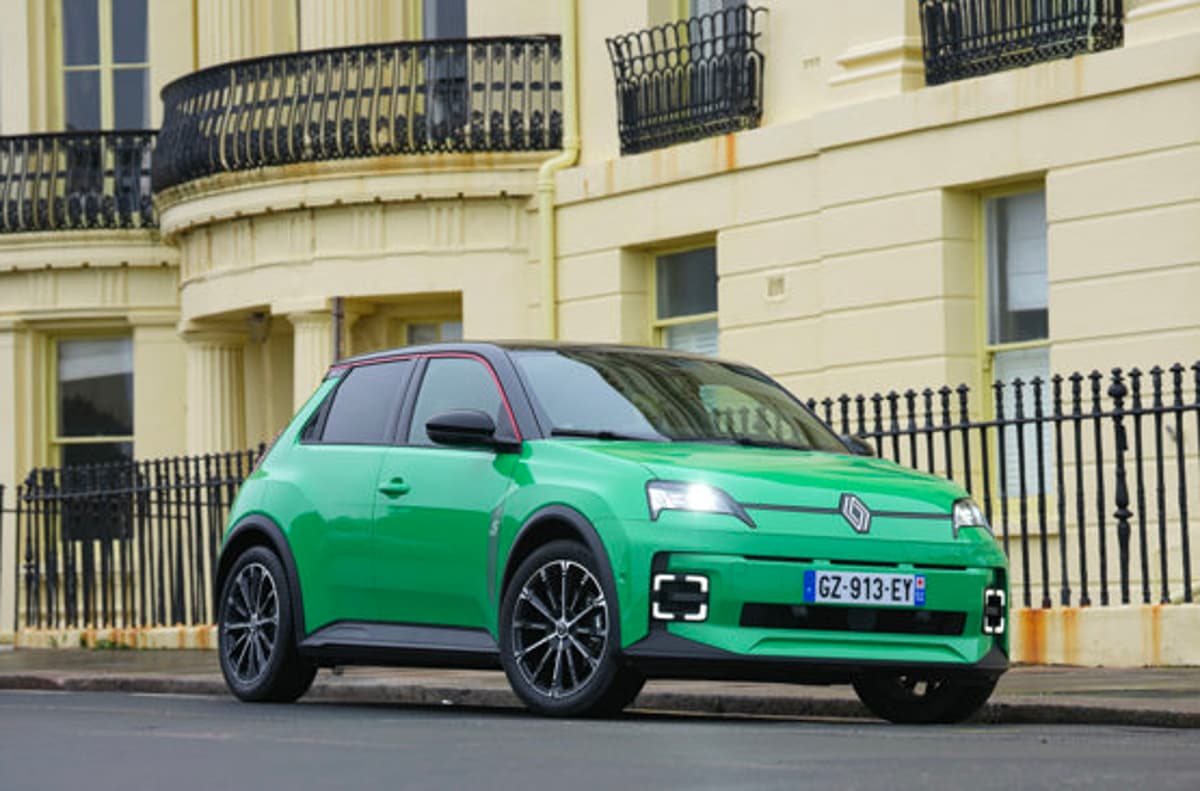
- •Renault 5 E‑Tech tops demand among electric models.
- •EV platform visits up 20% YoY, supply listings rise 13%.
Pulse Analysis
The convergence of high manufacturer discounts and the UK’s Electric Car Grant has finally tipped average EV pricing below that of petrol equivalents. Discount levels, still hovering around 11.7% after a record 12.8% in March, compress the total cost of ownership and make electric powertrains financially competitive even before factoring lower fuel and maintenance expenses. This price breakthrough is a direct response to tightening emissions regulations and automakers’ need to hit zero‑emission sales quotas, prompting a wave of promotional pricing that is unlikely to reverse in the short term.
Consumer behavior reflects the pricing shift. AutoTrader reports a 20% year‑on‑year increase in EV‑related site visits for April, while the total number of new‑car ads grew 13%, indicating dealers are expanding inventory to capture rising demand. Chinese‑built models now dominate more than half of the top ten EVs, with MG, Renault, and Kia capturing the largest enquiry shares. The Renault 5 E‑Tech emerged as the most sought‑after electric model, underscoring a growing appetite for affordable, compact EVs that blend heritage branding with modern technology.
The broader market implications extend beyond pricing. As upfront costs fall, the next hurdle is public‑charging affordability, a point highlighted by Charge UK’s chief executive. Lowering charging fees could unlock a sizable segment of households without private driveways, further accelerating adoption. Policymakers face a clear opportunity: sustain grant support while addressing charging cost structures to maintain momentum toward the UK’s net‑zero transport goals and ensure automakers meet mandated sales targets in the coming years.
EVs cheaper than petrol on average for the first time
Comments
Want to join the conversation?
Loading comments...