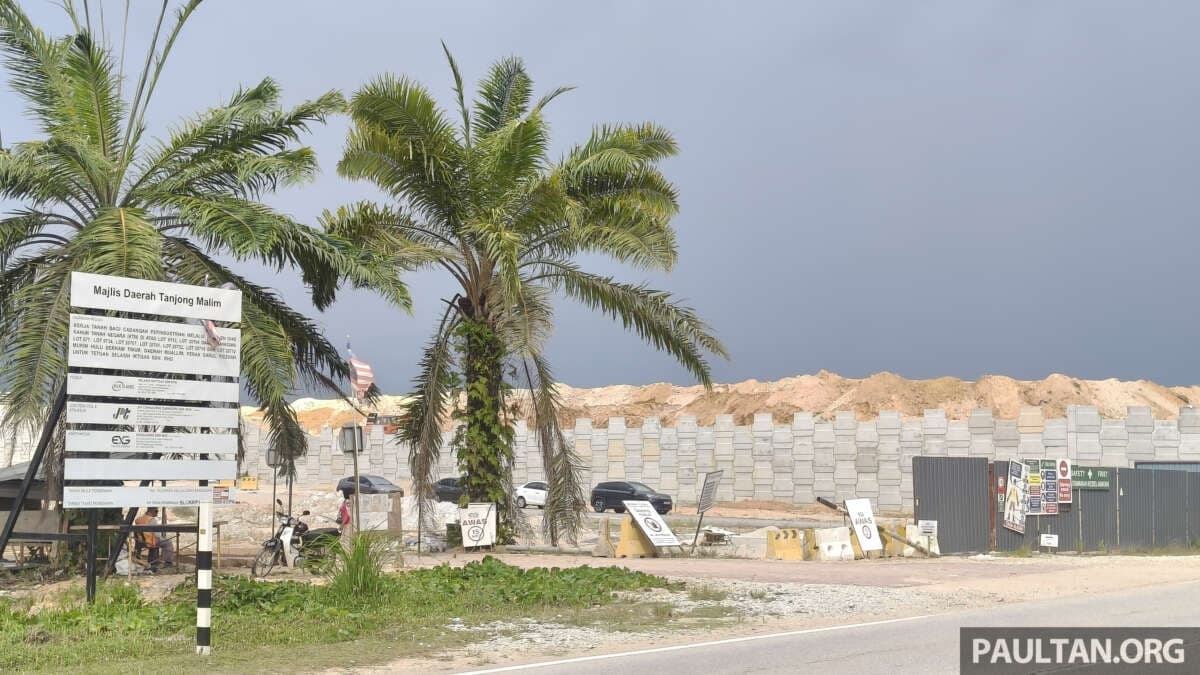
Federal Govt Needs to Review Conditions for EV Plants in Malaysia; BYD CKD Must Remain in Perak – Exco
Companies Mentioned
Why It Matters
The dispute highlights how protectionist policies can deter foreign EV investment, potentially slowing Malaysia’s ambition to become a regional electric‑vehicle hub and eroding investor confidence.
Key Takeaways
- •MITI set 80% export, 20% domestic sales ratio for BYD
- •40% localisation rule requires BYD to source components locally
- •Floor price of RM200k (~$44k) per vehicle sparked BYD disagreement
- •Perak exco warns policy shift undermines investor confidence and state rights
- •State insists BYD plant stays in Tanjong Malim, not relocated
Pulse Analysis
Malaysia’s push to attract electric‑vehicle (EV) manufacturers has hit a policy snag as the federal government’s new industrial protection framework clashes with BYD’s investment plans. MITI’s stipulations—an 80:20 export‑to‑domestic sales split, a 40% local‑content quota and a minimum vehicle price of RM200,000 (roughly $44,000)—are intended to shield domestic suppliers and ensure export earnings. However, BYD argues the terms raise production costs and limit market flexibility, prompting a public dispute that underscores the delicate balance between nurturing local industry and courting foreign capital.
The controversy reverberates beyond a single plant. Malaysia aims to position itself as a Southeast Asian EV manufacturing hub, leveraging its strategic location and relatively low labour costs. Yet, unpredictable regulatory shifts risk deterring other global OEMs that monitor policy stability closely. Investors watch for clear, consistent guidelines; any perception of ad‑hoc changes can erode confidence, delay projects, and increase financing costs. The Perak state government’s insistence that the BYD facility remain in Tanjong Malim adds another layer, emphasizing sub‑national development rights and the competitive race among Malaysian states for high‑tech investment.
For the broader automotive sector, the outcome will signal how Malaysia reconciles protectionist aims with the need for rapid EV adoption. If the government revises the conditions to a more market‑friendly stance, it could accelerate the rollout of locally assembled EVs, boost component‑maker ecosystems, and attract further Chinese and non‑Chinese players. Conversely, a rigid stance may push manufacturers to relocate to neighboring countries with clearer incentives, slowing the nation’s transition to electric mobility. Stakeholders therefore await transparent dialogue that aligns national industrial policy with global EV supply‑chain dynamics.
Federal govt needs to review conditions for EV plants in Malaysia; BYD CKD must remain in Perak – exco
Comments
Want to join the conversation?
Loading comments...