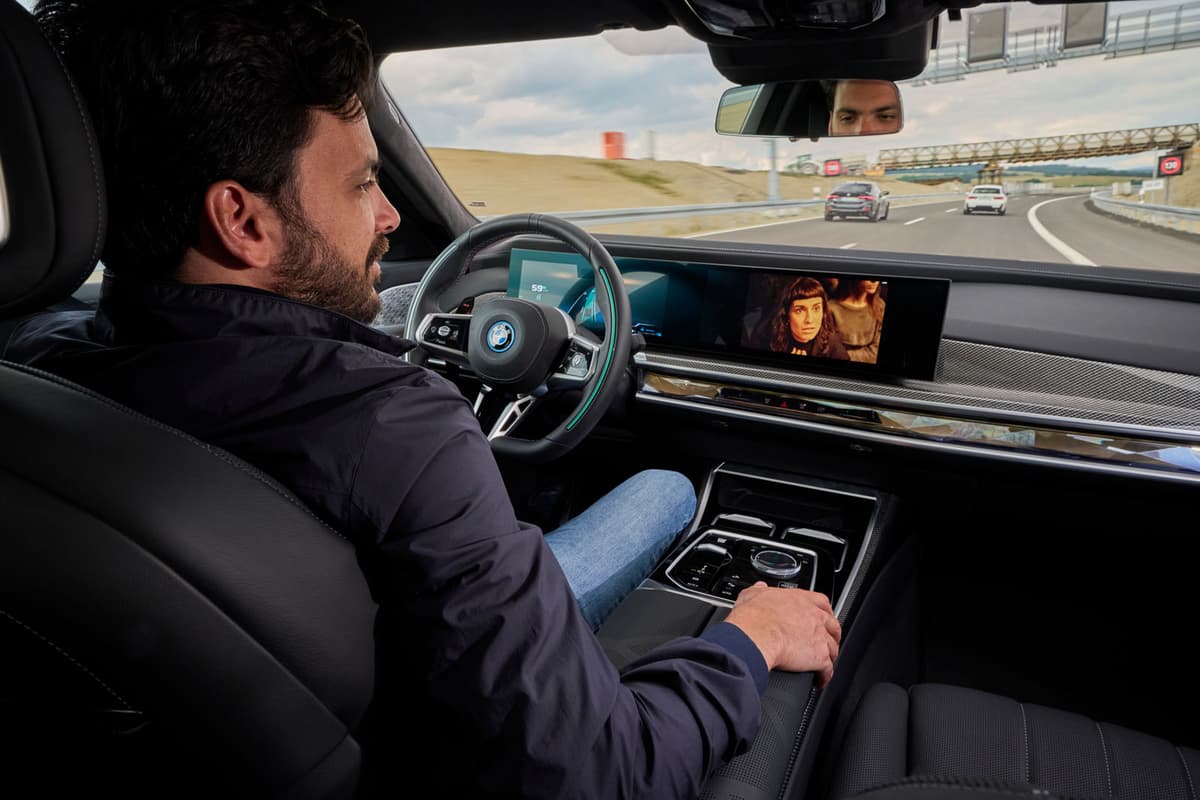
Level-Three Autonomy Falters but China Fear Pushes Car Makers On
Companies Mentioned

Why It Matters
The retreat from Level‑3 underscores a market‑driven shift toward more pragmatic autonomy, while Chinese pressure forces European OEMs to rethink their technology roadmaps and regulatory strategies.
Key Takeaways
- •BMW, Mercedes abandon Level‑3 due to low demand, high cost
- •Chinese brands accelerate Level‑2‑plus‑plus rollout, pressuring European OEMs
- •UNECE adopts DCAS rules, easing overtaking assistance approval in Europe
- •Renault aims to launch Level‑3 system by 2028 despite market lull
- •Safety groups warn Level‑2‑plus‑plus blurs line between aid and automation
Pulse Analysis
European legacy automakers are confronting a stark reality: the premium Level‑3 hands‑off system, once heralded as the next leap, has failed to generate consumer interest. BMW’s R&D chief Joachim Post and Mercedes‑Benz officials both confirmed that the technology’s stringent requirements—specific road types, weather, lighting, and traffic conditions—rendered it too costly for mass deployment. As a result, they are redirecting resources toward Level‑2‑plus‑plus solutions that keep drivers engaged while offering near‑hands‑free operation on highways and increasingly in urban settings.
The catalyst for this pivot is the aggressive advancement of Chinese manufacturers. Companies such as Nio, Xpeng, Leapmotor and BYD are delivering Level‑2‑plus‑plus features at scale, often bundled for free, to meet domestic demand where regulations are more permissive. This creates a competitive pressure on European OEMs, who fear losing market share as Chinese‑origin vehicles enter Western markets. Renault, for instance, is quietly pursuing its own Level‑3 program with a 2028 target, despite the current lack of buyer pull, to avoid being left behind when Chinese firms eventually offer comparable tech in Europe.
Regulatory evolution adds another layer of complexity. The UNECE’s new Driver Control Assistance Systems (DCAS) framework now permits overtaking on dual carriageways without explicit driver confirmation, a step that could accelerate the rollout of higher‑level assistance across the continent. Yet safety watchdogs, including the European Transport Safety Council, warn that blurring the line between assistance and automation raises risk, especially when drivers must remain vigilant for sudden system failures. As data‑driven, end‑to‑end AI models from Tesla and Chinese firms dominate the landscape, European manufacturers must balance rapid innovation with rigorous safety validation to stay competitive.
Level-three autonomy falters but China fear pushes car makers on
Comments
Want to join the conversation?
Loading comments...