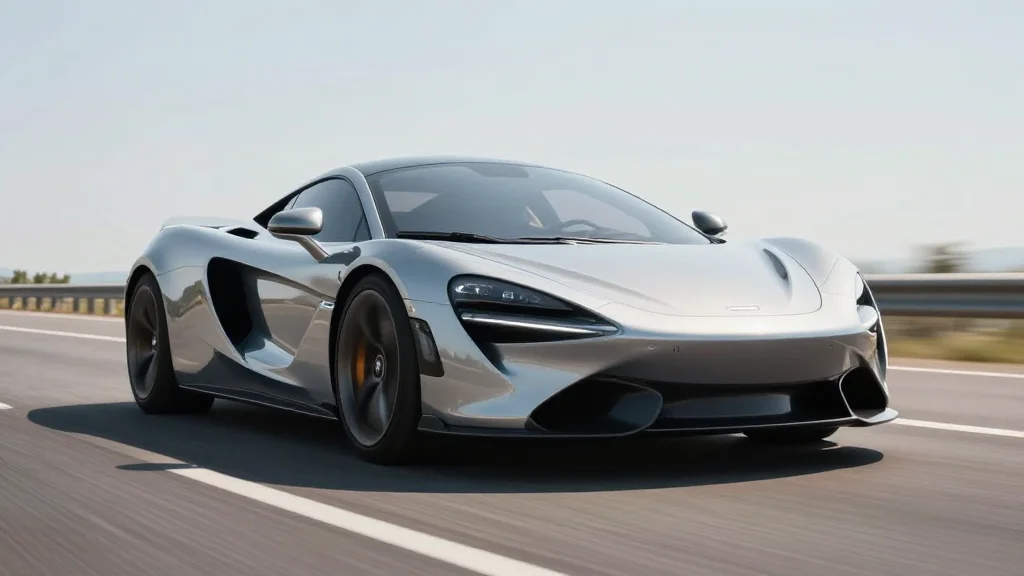
Musk Delays Release of Roadster, Optimus and Unsupervised FSD, as Tesla Margins Jump
Companies Mentioned
Why It Matters
Higher margins and massive capex underscore Tesla’s shift toward AI‑driven services, while product delays risk eroding its EV leadership amid rising Chinese competition.
Key Takeaways
- •Roadster unveiling delayed again, eighth postponement since 2017
- •Unsupervised FSD pushed to Q4; Hardware 3 lacks required bandwidth
- •2026 capex set at $25 billion, triple 2025 spending
- •EPS $0.41 beats $0.37 estimate as margins improve
- •Tesla must build micro‑factories to retrofit older cars for FSD
Pulse Analysis
Tesla’s latest earnings call highlighted a familiar pattern: product timelines slipping while the company’s financial fundamentals improve. The much‑anticipated Roadster, first shown in 2017, has been delayed for the eighth time, reflecting engineering challenges and a broader strategic re‑allocation of resources. At the same time, Elon Musk admitted that the current Hardware 3 platform cannot support unsupervised full‑self‑driving, pushing the feature’s launch to the fourth quarter and underscoring the technical gap between existing fleets and the upcoming Hardware 4 architecture.
Despite revenue of $22.39 billion falling short of market forecasts, Tesla’s profit margins surged, delivering earnings per share of $0.41 versus the $0.37 consensus. This profitability boost is largely attributed to cost efficiencies in its Model Y and Model 3 lines and a tighter supply chain. More striking, however, is the company’s aggressive capital allocation plan: $25 billion earmarked for 2026, a three‑fold increase over 2025, aimed at expanding AI capabilities, robotics, and a network of micro‑factories. The spending surge signals Tesla’s ambition to transition from a pure automaker to a broader technology and data services provider.
For current Tesla owners, the delay in unsupervised FSD carries practical implications. Vehicles equipped with Hardware 3, many of which have already paid up to $10,000 for FSD packages, will require retrofits or new micro‑factory hubs to receive the software upgrade. This adds logistical complexity and potential cost pressures, especially as competitors like BYD and other Chinese manufacturers roll out cheaper, feature‑rich EVs. The combination of higher margins, massive capex, and delayed flagship products paints a picture of a company betting heavily on future AI revenue while navigating short‑term credibility challenges in its core automotive market.
Musk delays release of Roadster, Optimus and unsupervised FSD, as Tesla margins jump
Comments
Want to join the conversation?
Loading comments...