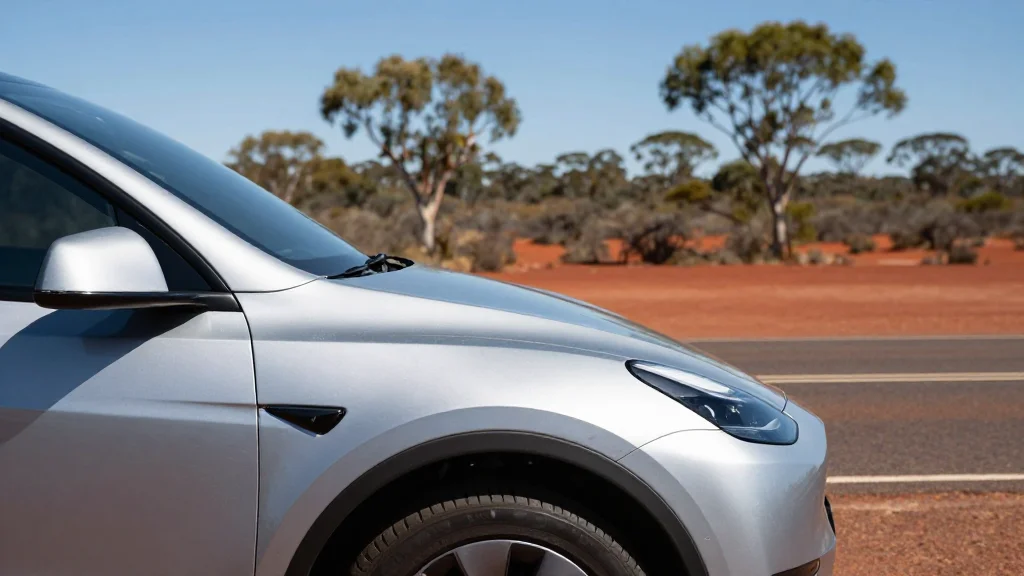
Tesla Dominates Fleet Choice for EVs, but Lack of Electric Utes a Problem
Why It Matters
The shortage of viable electric utes threatens to slow the broader transition of Australian commercial fleets to zero‑emission vehicles, limiting progress toward national emissions targets. Policy incentives like FBT exemptions and charging solutions are pivotal in tipping the cost‑benefit balance toward electrification.
Key Takeaways
- •Tesla Model Y accounts for 27% of Origin’s fleet EVs
- •BYD Shark 6 hybrids make up 5.2% of leased utes
- •Lack of EV utes stalls fleet electrification despite passenger SUV availability
- •FBT exemption drives preference for take‑home over pool vehicles
- •OneCharge aggregates public charger billing across six networks
Pulse Analysis
Australia’s commercial fleet market is rapidly gravitating toward electric passenger vehicles, with Origin Energy’s latest data confirming the Tesla Model Y as the clear favorite. At 27% of the program’s EV mix, the Model Y outpaces rivals such as the Kia EV5 and VW ID.4, reflecting both its range and brand appeal. This dominance aligns with global trends where manufacturers that deliver reliable, high‑range SUVs capture the bulk of fleet orders, reinforcing Tesla’s strategic advantage in the region.
Despite the surge in passenger EVs, the electrification of work‑horse utes remains a critical bottleneck. Only two new electric utes entered the Australian market in the past year, and the sole offering from Ford – the F‑150 Lightning – has been withdrawn, leaving the BYD Shark 6 plug‑in hybrid as the only option in Origin’s lease portfolio, representing a modest 5.2% of total sales. The limited range, higher upfront cost, and lack of domestic models make utes a costly proposition for fleet managers, who prioritize total cost of ownership over pure emissions benefits. This gap threatens to curtail the broader adoption of zero‑emission vehicles in sectors like construction and agriculture, where utes are indispensable.
Policy levers and infrastructure solutions are beginning to address the cost gap. Federal FBT exemptions for "take‑home" vehicles have steered fleet purchases toward models that qualify, while the Australian Renewable Energy Agency’s charger funding has yet to bridge the economics for pool cars. Origin’s OneCharge platform simplifies public‑charging administration by consolidating activation and billing across six major networks, reducing the administrative burden for managers. As emissions‑focused regulations tighten and international pressure mounts, the convergence of targeted incentives, expanded ute line‑ups, and streamlined charging will be essential to unlock the full potential of fleet electrification in Australia.
Tesla dominates fleet choice for EVs, but lack of electric utes a problem
Comments
Want to join the conversation?
Loading comments...