There's a Lot of Hype About Chinese EVs—Is Any of It True?
Companies Mentioned
Why It Matters
The clash between Chinese EV pricing power and U.S. protectionist measures could reshape global auto supply chains, affect millions of manufacturing jobs, and dictate the pace of EV adoption in the world’s largest car market.
Key Takeaways
- •Chinese EVs cost under $14k in China, double in Europe
- •US tariffs and software bans block Chinese EVs from domestic market
- •Chinese manufacturers benefit from low wages and massive production capacity
- •US buyers prefer 300‑mile range; short‑range EVs see poor sales
- •Price war driven by subsidies now fading as China curtails incentives
Pulse Analysis
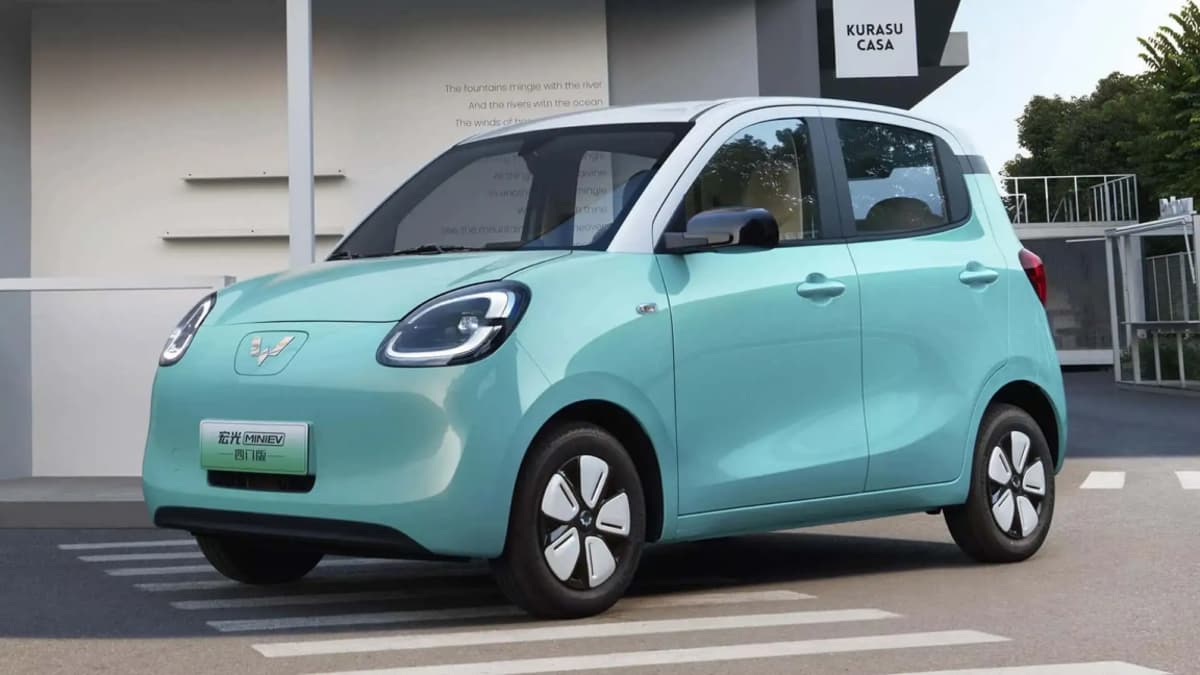
Chinese automakers are leveraging the nation’s vast production capacity and a quarter‑U.S. wage base to flood the market with low‑cost electric vehicles. The Beijing Auto Show highlighted models that start at under $14,000, packed with multiple touchscreens, AI assistants, and rapid‑charging claims. Yet those figures are misleading outside China; European pricing already doubles, and U.S. compliance costs—including safety homologation, EPA range testing, and tariff duties—further erode the price advantage. This dynamic has spurred Washington to impose a 100% tariff and restrict Chinese‑linked connected‑car software, citing national‑security and job‑loss concerns.
The economic backdrop is a classic case of state‑backed subsidies creating a temporary price war. Hundreds of Chinese OEMs, buoyed by government incentives, over‑produced, driving retail prices down while domestic demand lagged. With annual capacity near 45 million units and recent output at 34 million, the surplus is now being re‑channeled abroad. As Beijing scales back subsidies, the artificial low‑price environment is receding, forcing Chinese firms to confront real cost structures and compete on quality, range, and brand perception rather than sheer price.
American consumers, however, remain skeptical. U.S. buyers prioritize a minimum 300‑mile real‑world range, robust safety features, and intuitive physical controls over an overabundance of screens. Short‑range models that dominate the Chinese market have historically flopped in the United States, where financing terms are lengthening and monthly payments are rising. The convergence of stricter tariffs, higher compliance costs, and evolving consumer expectations suggests that while Chinese EVs will continue to influence global design trends, their penetration into the U.S. market will likely be gradual and contingent on meeting American standards for range, safety, and data privacy.
There's a lot of hype about Chinese EVs—is any of it true?
Comments
Want to join the conversation?
Loading comments...