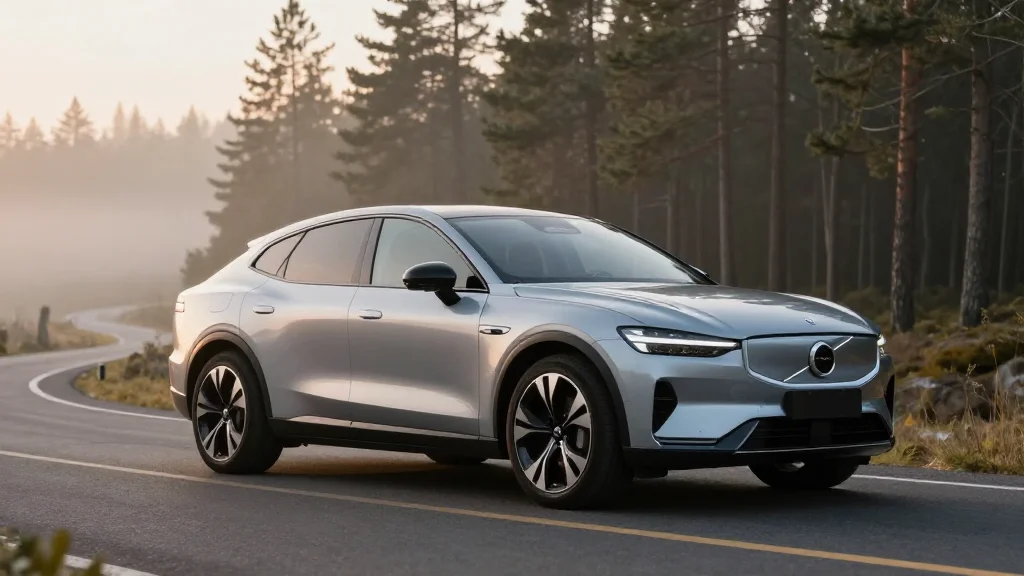
Volvo Criticizes In-Car Subscriptions: 'You Shouldn't Nickel-And-Dime Customers'
Companies Mentioned
Why It Matters
Volvo’s cost‑cutting manufacturing innovations bring EV pricing closer to plug‑in hybrids, while its stance on subscriptions could shape premium‑car pricing strategies across the industry.
Key Takeaways
- •Volvo began EX60 production at Gothenburg, first Swedish‑built EV
- •$1 billion megacasting and cell‑to‑body program aims to cut floor‑structure cost 30%
- •Battery packs assembled in‑house from Chinese cells, tightening margin control
- •Volvo rejects low‑price subscriptions for basic features, prefers premium bundled services
- •Target customers: families in their 40s; early sales already exceed targets
Pulse Analysis
Volvo’s aggressive rollout of the EX60 marks a pivotal moment for European EV manufacturing. By channeling more than $1 billion into megacasting and cell‑to‑body integration, the Swedish automaker is tackling the high raw‑material costs that have traditionally hampered electric‑vehicle margins. The new processes eliminate separate modules, turning battery cells into structural floor panels and slashing floor‑structure expenses by roughly 30 percent. This manufacturing efficiency not only narrows the price gap with plug‑in hybrids but also positions Volvo to compete on volume, a critical factor as the company targets 285,000‑290,000 units annually from its Gothenburg hub.
Beyond hardware, Volvo is redefining the software and services model for premium cars. Chief Commercial Officer Eric Severinson warned against charging extra for basic comforts such as heated seats, arguing that a $80,000 vehicle should include core amenities without a monthly add‑on. Instead, Volvo favors bundled, value‑rich subscriptions for advanced connectivity and driver‑assistance features, mirroring the approach of streaming platforms. This philosophy could influence other luxury brands that are wrestling with how to monetize software without alienating customers, especially as vehicle connectivity becomes a key differentiator.
The market implications are significant. Early EX60 orders already exceed Volvo’s internal forecasts, indicating strong demand among families in their 40s who value safety, space, and a high‑end audio experience. Simultaneously, Volvo’s dealer strategy emphasizes a hybrid of digital engagement and personalized showroom service, acknowledging the shift toward online car buying. As Europe accelerates toward broader electrification and the United States faces a temporary dip in EV sales, Volvo’s blend of cost‑effective production, in‑house battery assembly, and thoughtful subscription policy may set a template for sustainable growth in the global EV landscape.
Volvo Criticizes In-Car Subscriptions: 'You Shouldn't Nickel-And-Dime Customers'
Comments
Want to join the conversation?
Loading comments...