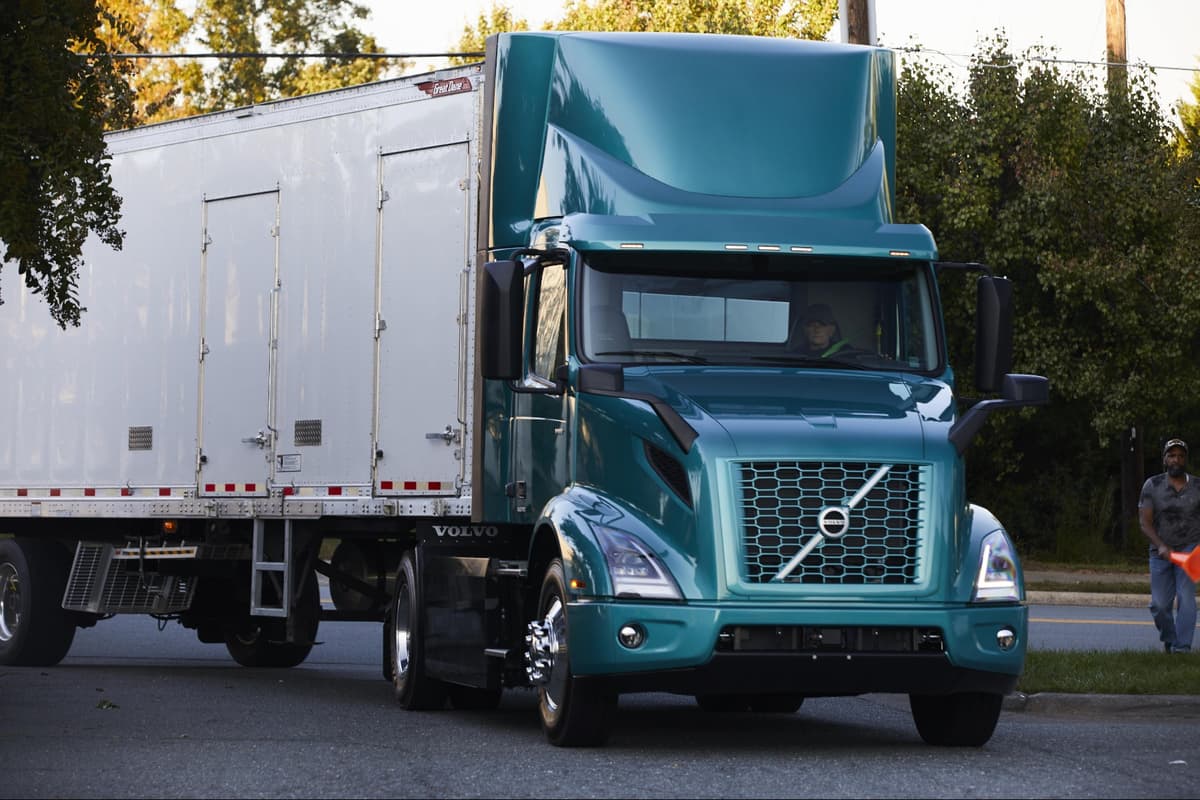
Washington State Launches Incentive Programme for Zero-Emission Trucks and Equipment
Companies Mentioned
Why It Matters
WAZIP accelerates adoption of zero‑emission commercial vehicles, cutting greenhouse‑gas output while spurring economic growth in Washington’s logistics, construction, and clean‑tech sectors.
Key Takeaways
- •$112M vouchers cover up to 40% of vehicle cost
- •Small firms get larger incentives under WAZIP
- •Over 100 truck and equipment types qualify statewide
- •First‑come, first‑serve vouchers issued at point‑of‑sale
- •Program funded by Washington’s Climate Commitment Act
Pulse Analysis
Washington’s new Zero‑Emission Incentive Program (WAZIP) adds a sizable $112 million punch to the state’s climate strategy. Funded through the Climate Commitment Act, the vouchers are designed to offset roughly 40 % of the purchase price for a broad swath of medium‑ and heavy‑duty electric vehicles and equipment. By allowing claims at the point‑of‑sale, the program removes a major financing hurdle and mirrors successful models seen in California and New York, where similar subsidies have accelerated fleet electrification. The initiative also covers charging stations and freight‑handling equipment, ensuring infrastructure keeps pace with vehicle adoption.
The economic ripple effect is equally compelling. Small businesses with under $10 million in annual revenue qualify for the highest rebate tiers, giving them a competitive edge against larger incumbents. Dealerships stand to boost sales volumes as inventory turnover accelerates, while local manufacturers of charging infrastructure may see heightened demand. Moreover, reducing diesel‑fuel emissions translates into measurable public‑health benefits, potentially lowering healthcare costs for Washington residents. Early adopters report operational savings of up to 15 % annually, reinforcing the financial case for electrification.
While WAZIP’s first‑come, first‑serve design ensures rapid uptake, it also raises concerns about equity and supply chain capacity. If demand outpaces the $112 million budget, some firms could miss out, prompting calls for a tiered allocation or supplemental funding. Nonetheless, the initiative positions Washington as a leader in clean‑transport policy, encouraging other states to adopt similar incentive structures. As electric truck production scales and battery costs continue to fall, the program’s long‑term fiscal impact is likely to be offset by reduced fuel expenditures and lower emissions penalties. Future legislative sessions may consider expanding the budget to $150 million, reflecting growing demand and the state's commitment to net‑zero goals.
Washington State launches incentive programme for zero-emission trucks and equipment
Comments
Want to join the conversation?
Loading comments...