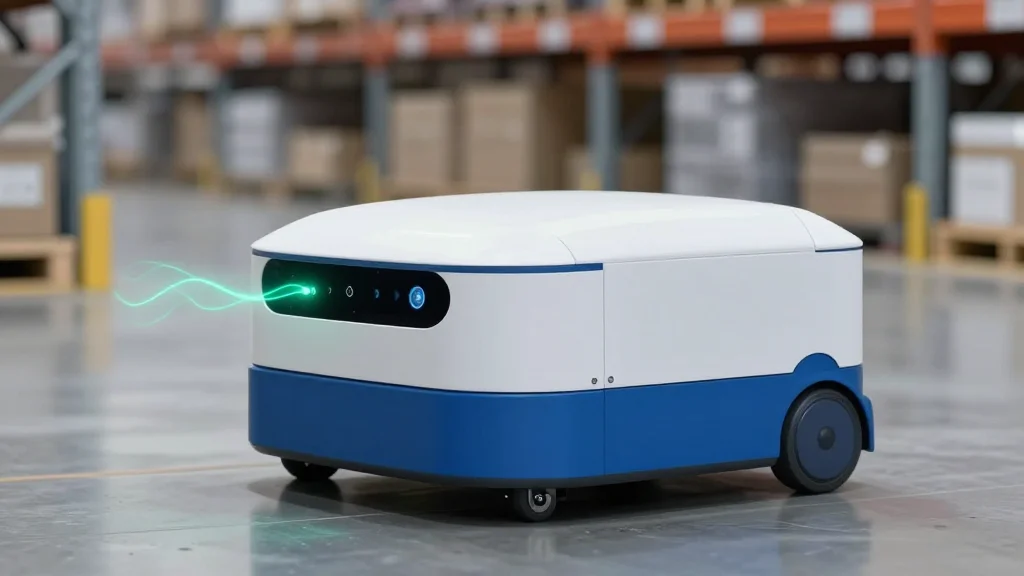
Amazon Launches Worker Robot that Takes Conversational Instructions
Companies Mentioned
Why It Matters
Proteus reshapes warehouse labor by turning every associate into a robot supervisor, accelerating the need for new skill sets and prompting HR to redesign job architectures while navigating emerging AI‑related regulations.
Key Takeaways
- •Proteus uses natural language to direct material movement across warehouse floors
- •Amazon plans European rollout in early 2027 after lab pilots
- •Job roles shift from manual tasks to robot supervision, demanding new skills
- •Amazon pledges $1 billion to upskill workers via Career Choice program
- •New AI regulations may require disclosure of robot‑driven layoffs
Pulse Analysis
Amazon's Proteus robot marks a decisive step toward conversational automation in logistics. By interpreting everyday speech, the system eliminates the need for specialized programming, allowing any floor associate to allocate tasks, prioritize routes, and set timing on the fly. This capability expands beyond the dock‑only robots currently in U.S. sites, promising full‑floor coverage across European fulfillment centers by 2027. The move aligns with Amazon's broader €10 billion ($11.6 billion) investment in its European network, positioning the retailer at the forefront of next‑generation material‑movement technology.
The operational shift has profound human‑resource implications. As robots become conversational partners, the traditional manual labor role evolves into one centered on supervisory judgment—monitoring robot decisions, correcting errors, and ensuring safety. This transition demands new competency frameworks and pay grades, prompting companies to audit and redesign job architectures before deployment. Amazon's $1 billion injection into its Career Choice program reflects an acknowledgement that upskilling must keep pace with automation, offering pathways from associate to robot‑fleet supervisor rather than generic tech certifications.
Regulatory scrutiny adds another layer of complexity. With Colorado's AI Act taking effect on June 30 and potential federal legislation requiring disclosure of AI‑driven layoffs, firms must embed compliance into their automation strategies. Amazon's simultaneous rollout of advanced robots and a sizable upskilling budget illustrates the dual pressures of innovation and accountability. Competitors that proactively align workforce development, job design, and legal compliance with conversational robotics will secure talent retention and mitigate the reputational risks associated with rapid AI adoption.
Amazon launches worker robot that takes conversational instructions
Comments
Want to join the conversation?
Loading comments...