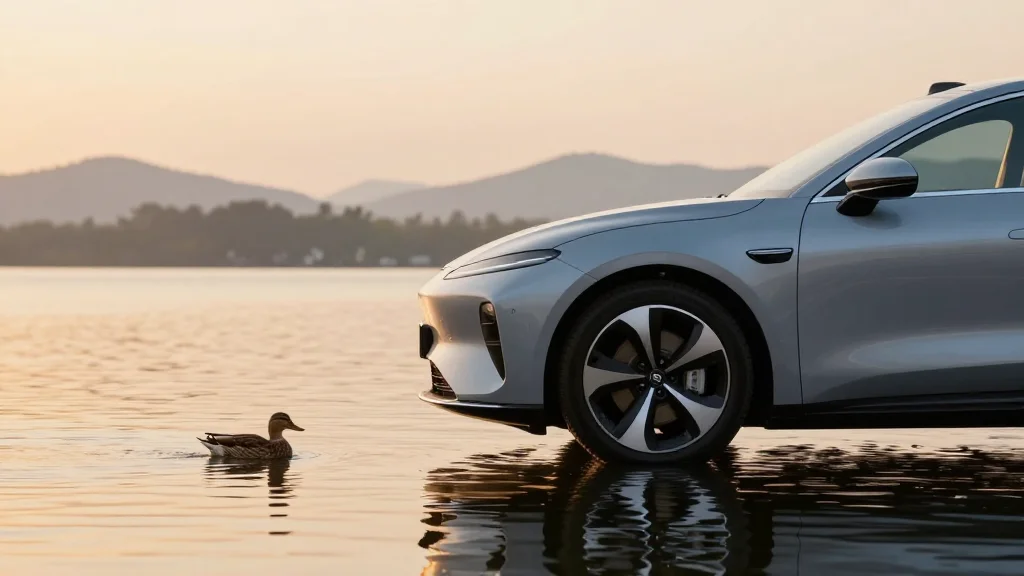
Avride Robotaxi Kills Mother Duck in Texas, Sparking Neighborhood Outcry

Why It Matters
The incident illustrates how autonomous vehicle testing can intersect with everyday community life, turning a seemingly minor wildlife collision into a flashpoint for broader safety concerns. As robotaxi services expand into dense urban neighborhoods, companies must balance rapid deployment with transparent engagement with local stakeholders. If public confidence erodes, municipalities may impose tighter route restrictions or demand higher safety benchmarks, potentially slowing the rollout of autonomous mobility solutions. The Avride case could become a reference point for future regulatory frameworks that address not only pedestrian safety but also the protection of urban wildlife.
Key Takeaways
- •Avride robotaxi killed a mother duck near Mueller Lake in Austin, Texas.
- •Resident posted: "It didn’t slow down or hesitate at all, just steamrolled through."
- •Spokesperson Yulia Shveyko confirmed autonomous mode and said the team reviewed data in simulation.
- •Avride halted testing on streets around the lake while evaluating software changes.
- •The incident adds pressure on Austin regulators overseeing multiple robotaxi pilots.
Pulse Analysis
The duck collision underscores a subtle but growing risk vector for autonomous vehicle firms: interactions with non‑human road users. While most safety metrics focus on pedestrians and cyclists, wildlife presents unpredictable obstacles that can trigger public backlash when incidents occur. Avride’s rapid route adjustment reflects a pragmatic approach to risk management, prioritizing community goodwill over marginal gains in test mileage.
Historically, autonomous vehicle rollouts have been punctuated by high‑profile accidents involving humans, prompting regulatory sweeps. This incident suggests that future oversight may broaden to include wildlife impact assessments, especially in suburban or mixed‑use districts where animals are common. Companies that proactively integrate wildlife detection into sensor suites could gain a competitive edge, positioning themselves as the safest option for municipalities.
For the market, the episode may accelerate discussions about standardized reporting of all collision types, not just those involving people. Investors will watch how Avride and its peers respond—whether they invest in additional sensor modalities, such as thermal imaging, or enhance simulation libraries to model animal behavior. The outcome could shape the next wave of autonomous vehicle safety standards, influencing both public perception and the regulatory landscape across the United States.
Avride Robotaxi Kills Mother Duck in Texas, Sparking Neighborhood Outcry
Comments
Want to join the conversation?
Loading comments...