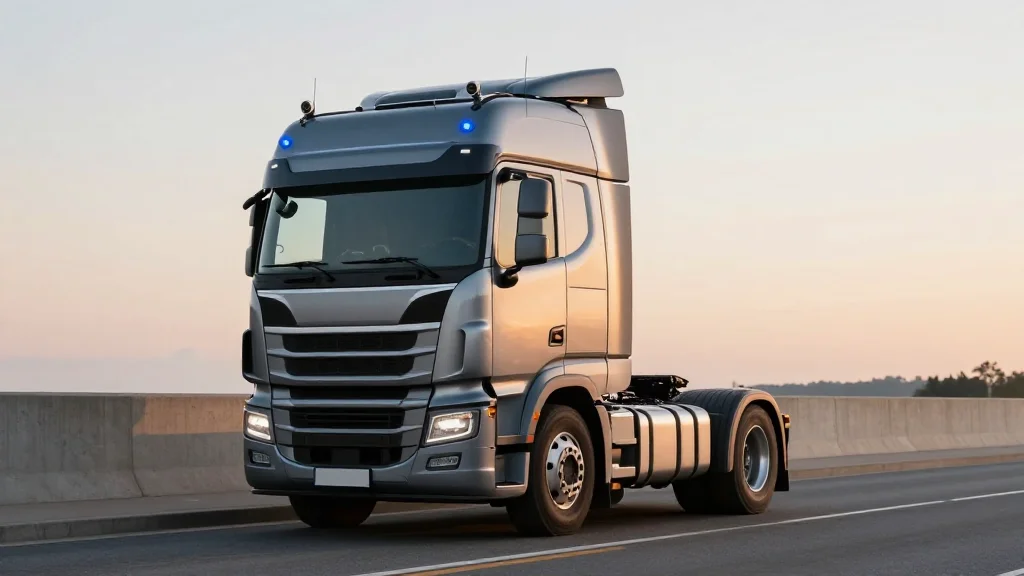
Chinese Startup ZYT Moves to Mass‑produce Semi‑autonomous Trucks by Late 2026

Why It Matters
ZYT’s move to mass‑produce semi‑autonomous trucks marks the first large‑scale commercial rollout of Chinese self‑driving technology in the freight segment. By targeting a 3% fuel‑efficiency gain, the startup offers a tangible cost‑reduction lever for manufacturers and logistics firms grappling with soaring oil prices. The initiative also signals a shift from niche ADAS solutions toward broader, system‑level integration across multiple OEMs, potentially accelerating the adoption curve for autonomous freight in Asia. If ZYT succeeds, it could set a benchmark for how Chinese tech firms leverage strategic equity stakes—FAW’s 35.8% ownership—and OEM partnerships to scale hardware‑intensive products. The venture may also pressure rivals to accelerate their own semi‑autonomous offerings, intensifying competition and driving faster innovation across the continent’s autonomous‑driving ecosystem.
Key Takeaways
- •ZYT aims to start mass production of semi‑autonomous trucks in H2 2026 after securing deals with China’s six largest heavy‑truck makers.
- •Vice‑president Yu Beibei highlighted that logistics firms are willing to pay a premium for efficiency gains.
- •Initial tests show ZYT’s NOA system can cut fuel consumption by about 3% per year.
- •FAW Group now holds a 35.8% stake in ZYT, while DJI retains 34.9%, underscoring strong state‑backed support.
- •ZYT targets a Hong Kong IPO in 2027, positioning itself as the first Chinese startup to scale semi‑autonomous truck production.
Pulse Analysis
ZYT’s aggressive timeline reflects a calculated bet on semi‑autonomous technology as a pragmatic bridge between current driver‑assistance features and fully driverless freight. By focusing on Level 2/L2+ systems, ZYT avoids the regulatory quagmire that has slowed Level 4/5 deployments worldwide, while still delivering measurable cost benefits. The 3% fuel‑saving claim may appear modest, but when multiplied across China’s massive trucking fleet—estimated at over 30 million units—it translates into billions of yuan in annual savings, a compelling value proposition for cost‑sensitive logistics operators.
The partnership model is equally noteworthy. Aligning with all six major truck manufacturers gives ZYT a de‑facto standard‑setting position, potentially locking in a hardware ecosystem that rivals would find costly to replicate. FAW’s sizable equity stake not only provides capital but also ensures alignment with state‑owned manufacturing interests, which could smooth regulatory approvals and facilitate large‑scale rollout. However, the reliance on multiple OEMs also introduces coordination risk; any delay in one partner’s production line could ripple through ZYT’s delivery schedule.
Looking ahead, ZYT’s upcoming Hong Kong listing will be a litmus test for investor confidence in Chinese autonomous‑driving ventures. Success could unlock further funding for R&D, enabling the company to upgrade its NOA platform toward higher automation levels. Conversely, a weak market debut might curtail expansion plans and embolden competitors like Momenta and Huawei to capture market share. The broader freight sector will watch closely, as ZYT’s performance could dictate the pace at which semi‑autonomous trucks become a mainstream cost‑saving tool in China and, by extension, the wider Asian logistics market.
Chinese startup ZYT moves to mass‑produce semi‑autonomous trucks by late 2026
Comments
Want to join the conversation?
Loading comments...