McLane Deploys Aurora’s Driverless Trucks, First Berkshire Long‑Haul Autonomy

Why It Matters
The deployment of Aurora’s driverless trucks within McLane’s supply chain represents a tangible proof point that autonomous freight can move beyond isolated pilots into revenue‑generating operations. For Berkshire Hathaway, the move could translate into lower transportation costs, tighter delivery windows, and a competitive edge in the highly price‑sensitive food‑service market. On a broader scale, the rollout addresses the chronic driver shortage that has strained the industry, offering a potential pathway to sustain growth in a market worth nearly $1 trillion. If the technology scales successfully, it could accelerate adoption across other logistics players, prompting a wave of capital allocation toward autonomous vehicle manufacturers, sensor suppliers, and software developers. Conversely, any setbacks could reinforce skepticism among traditional operators and slow the overall pace of autonomous freight integration.
Key Takeaways
- •McLane upgrades Aurora pilot to fully driverless commercial ops on Dallas‑Houston route
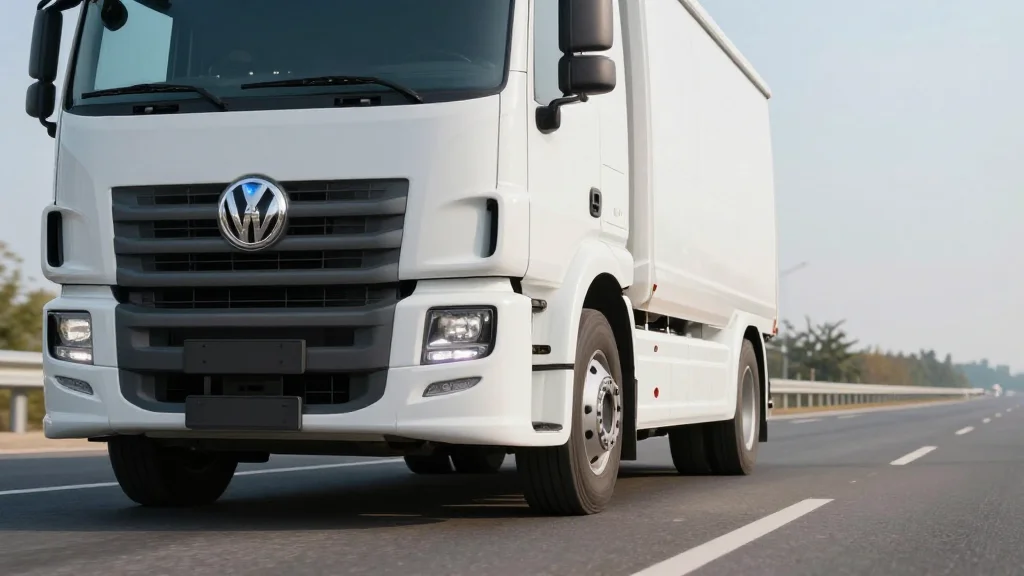
- •Aurora’s SAE Level 4 system will power a new fleet of 200 Volkswagen‑built trucks by year‑end
- •Aurora shares rose >10% on the announcement; separate Aurora‑Volvo deal adds 200‑mile route
- •McLane’s parent reported $11.3 B operating earnings on $93.6 B revenue in Q1 2026
- •U.S. trucking employs 3.58 M drivers and generates $906 B in revenue, highlighting the market impact
Pulse Analysis
Berkshire Hathaway’s embrace of driverless freight marks a watershed for capital‑intensive, low‑margin logistics businesses that have traditionally relied on human drivers. The decision reflects a growing confidence that Level 4 autonomy can meet the reliability thresholds required for perishable food distribution, a sector where timing is critical. By leveraging Aurora’s technology, McLane not only reduces exposure to driver wage inflation but also positions itself to capture efficiency gains that could be passed on to franchisees, potentially tightening food‑price dynamics.
Historically, autonomous trucking has been hampered by regulatory uncertainty and the high cost of retrofitting fleets. The partnership with Volkswagen’s International LT subsidiary suggests a strategic move to control vehicle costs while ensuring compatibility with Aurora’s software stack. If the 200‑truck rollout proceeds without incident, it could set a cost benchmark that encourages other distributors to follow suit, accelerating a shift from diesel‑powered fleets to electric, autonomous rigs.
However, the path forward is not without risk. Scaling from a single corridor to a multi‑state network will test the robustness of Aurora’s sensor suite, mapping data, and contingency protocols. Any high‑profile incident could trigger regulatory backlash and erode investor confidence, as seen in past autonomous vehicle setbacks. Stakeholders will be watching closely for performance metrics—on‑time delivery rates, incident frequency, and cost per mile—to gauge whether the technology can deliver on its promise of margin improvement and labor relief.
McLane Deploys Aurora’s Driverless Trucks, First Berkshire Long‑Haul Autonomy
Comments
Want to join the conversation?
Loading comments...