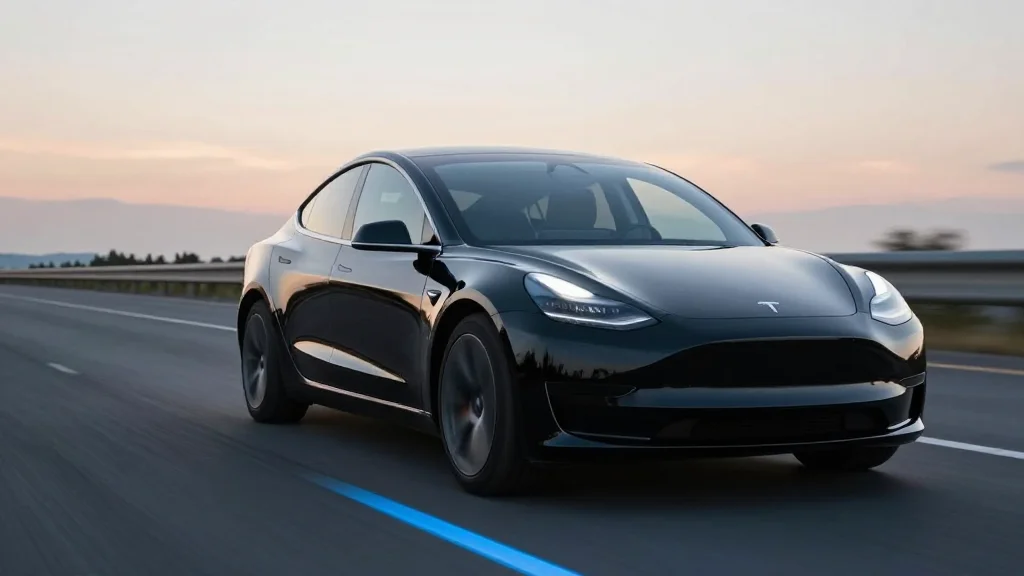
Tesla Expands FSD Lite to Global HW3 Fleet, Timeline Still Vague

Companies Mentioned
Why It Matters
The extension of FSD Lite to HW3 vehicles touches the core of Tesla’s autonomy business model, which relies on software subscriptions across a sprawling fleet. Delays or perceived broken promises could erode consumer trust, prompting regulatory scrutiny and potential litigation that may affect Tesla’s valuation. Moreover, the decision highlights the tension between rapid software iteration and the physical limits of older hardware, a dilemma that all autonomous‑vehicle makers must navigate. For the broader industry, Tesla’s handling of legacy hardware upgrades sets a precedent. If the company succeeds in delivering a functional Lite version globally, it could demonstrate a viable path for retrofitting older autonomous platforms, influencing how legacy fleets are managed worldwide.
Key Takeaways
- •Tesla expands FSD V14 Lite to international markets for HW3 vehicles, but provides no firm rollout dates.
- •HW3 owners who paid up to $15,000 for full FSD have launched a claims site demanding refunds.
- •Elon Musk admitted HW3 cars will never achieve unsupervised full self‑driving during the latest earnings call.
- •Tesla plans micro‑factory upgrades for HW3 hardware, though timelines remain unclear.
- •Regulatory approvals, especially in Europe, are cited as a key factor delaying the global rollout.
Pulse Analysis
Tesla’s announcement is a classic example of a company trying to balance brand promise with technical reality. By offering a Lite version, Tesla preserves its subscription revenue stream, but the vague timeline undermines confidence among legacy owners who feel short‑changed. The company’s reliance on software updates to extend the life of older hardware is a strategic gamble; if the Lite version fails to meet driver expectations, it could accelerate the migration to newer HW4 models, boosting hardware sales but at the cost of short‑term goodwill.
From a market perspective, the move may temporarily stabilize Tesla’s autonomy narrative ahead of the robotaxi launch, but it also opens a window for rivals. Chinese firms like BYD and emerging players such as Momenta, which recently touted its R7 system against Tesla’s FSD V14, could capitalize on any perceived Tesla missteps. The regulatory angle is equally critical: Europe’s patchwork of autonomous‑vehicle approvals could either accelerate the Lite rollout if Tesla secures early clearance or stall it indefinitely, affecting the company’s global revenue forecasts.
Looking forward, investors should monitor three signals: the first is any concrete date from Tesla on the Lite rollout; second, the volume of refund claims and potential class‑action lawsuits; third, the pace at which Tesla’s micro‑factory upgrade program scales. Together, these will indicate whether Tesla can successfully retrofit its legacy fleet or whether it will be forced to write off a sizable portion of its FSD subscriber base.
Tesla Expands FSD Lite to Global HW3 Fleet, Timeline Still Vague
Comments
Want to join the conversation?
Loading comments...