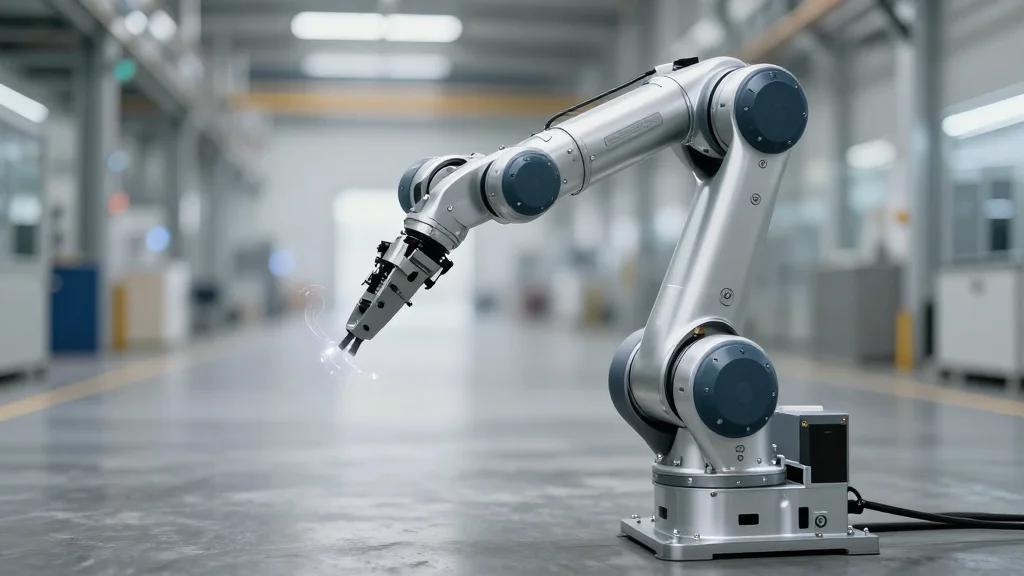
Tutor Intelligence Opens U.S.’s Largest Robot Data Factory in Massachusetts

Companies Mentioned

Why It Matters
The launch of Data Factory 1 tackles a fundamental obstacle in autonomous manufacturing: the scarcity of high‑quality, large‑scale manipulation data. By creating a dedicated, robot‑centric data pipeline, Tutor Intelligence can accelerate model training and reduce the time needed to move from lab prototypes to production‑grade systems. This could compress the adoption curve for AI‑driven robots across sectors such as automotive, consumer goods, and logistics, where labor shortages and cost pressures are intensifying. Moreover, the remote‑supervision architecture demonstrates a scalable way to combine human expertise with machine learning at low marginal cost. If successful, the model could inspire a new wave of data factories, shifting the competitive focus from hardware engineering to data engineering and model robustness, reshaping the economics of the autonomy market.
Key Takeaways
- •Tutor Intelligence opened Data Factory 1 with 100 autonomous robots in Watertown, MA.
- •The fleet uses Tutor’s Ti0 vision‑language‑action model to learn object manipulation.
- •Remote supervisors in the US, Mexico and the Philippines provide large‑scale human supervision.
- •CEO Josh Gruenstein says several months of R&D are needed before industrial deployment.
- •The data factory aims to generate enough labeled data for future Fortune‑500 pilot programs.
Pulse Analysis
Tutor Intelligence’s Data Factory represents a strategic pivot from hardware‑centric robotics to a data‑centric paradigm. Historically, robot manufacturers have struggled to scale AI capabilities because each new task required bespoke data collection, a costly and time‑consuming process. By aggregating 100 robots in a single, continuously supervised environment, Tutor creates a high‑throughput data engine that can feed millions of manipulation episodes into its Ti0 model. This approach mirrors the way large language models were trained on massive text corpora, suggesting a similar scaling law may apply to robot learning.
The remote‑supervision model also lowers the barrier to entry for talent, allowing Tutor to tap a distributed workforce for labeling and error correction. This could democratize data collection, making it less dependent on expensive on‑site engineers. Competitors that continue to rely on bespoke data pipelines may find themselves at a cost disadvantage, especially as labor costs rise and supply‑chain volatility pushes manufacturers toward more flexible automation.
However, the path to commercial viability remains uncertain. The robots must demonstrate not only data volume but also data quality that translates into reliable performance on real‑world production lines. Industry adoption will hinge on clear ROI metrics—reduced cycle times, lower defect rates, or labor savings—that can be quantified against the cost of deploying and maintaining the robot fleet. If Tutor can validate its technology in a pilot with a Fortune‑500 partner, it could set a new benchmark for data‑first autonomous manufacturing and attract a wave of investment into similar data factories across the United States.
Tutor Intelligence Opens U.S.’s Largest Robot Data Factory in Massachusetts
Comments
Want to join the conversation?
Loading comments...