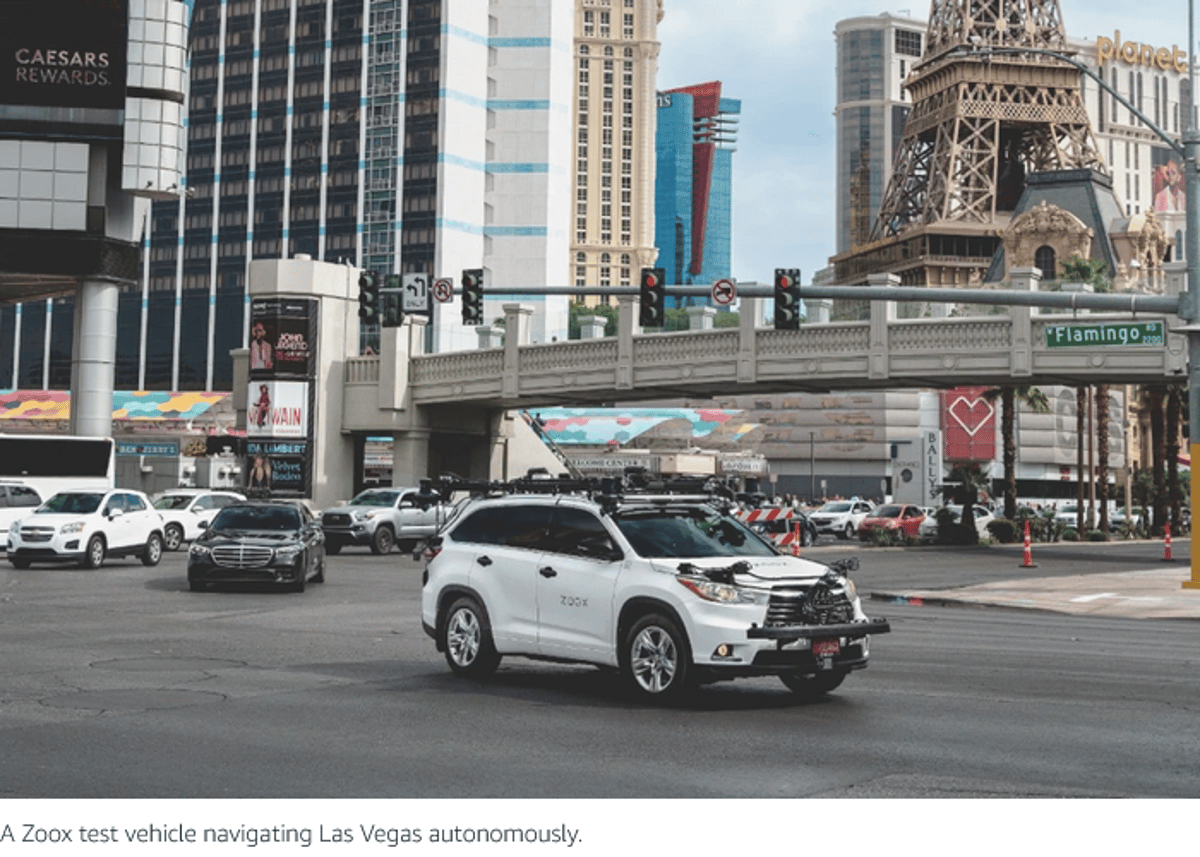
U.S. Safety Agency Seeks Comments on Zoox Petition to Deploy Steering Wheel-Less Robotaxis
•March 10, 2026
0
Why It Matters
If approved, Zoox could become the first U.S. manufacturer to run a sizable fleet of fully driverless vehicles, accelerating commercial autonomous‑mobility and setting regulatory precedent for the industry.
Key Takeaways
- •NHTSA seeks comments on Zoox’s 2,500 robotaxi petition
- •Zoox requests exemptions from eight human‑driver safety standards
- •Secretary Duffy praises streamlined path for autonomous fleet deployment
- •Industry hopes faster approvals after years of NHTSA delays
- •Prior GM petitions withdrawn, highlighting regulatory challenges
Pulse Analysis
The autonomous‑vehicle sector has long been hampered by a regulatory bottleneck, with NHTSA traditionally requiring manufacturers to secure exemptions for each non‑standard component. In early 2025 the agency announced a new framework to accelerate reviews of fully driverless designs, but concrete actions remained limited. By inviting public commentary on Zoox’s petition, NHTSA signals a willingness to move beyond the status quo, offering a clearer pathway for companies that can demonstrate safety parity with human‑operated cars. This shift reflects broader policy pressure to keep the United States competitive in the global AV race.
Zoox’s robotaxi is purpose‑built from the ground up, lacking a steering wheel, brake pedal, and conventional mirrors. Its electric platform can reach 75 mph and features a bidirectional cabin with a “campfire” seating layout that maximizes passenger space. The company asserts that redundant sensor suites, real‑time decision algorithms, and a closed‑loop control architecture deliver an equivalent—or superior—safety record compared with traditional vehicles. By seeking exemptions from eight specific Federal Motor Vehicle Safety Standards, Zoox aims to codify these design choices without retrofitting legacy controls that would add weight and complexity.
An approval would give Zoox a first‑mover advantage, allowing it to scale a fleet of up to 2,500 units across major U.S. cities and potentially lock in partnerships with ride‑hailing platforms. Competitors such as Waymo, Cruise, and legacy automakers are watching closely, as a regulatory green light could reshape investment flows and accelerate public acceptance of driverless taxis. Moreover, the outcome will likely serve as a benchmark for future exemption petitions, influencing how quickly the broader industry can transition from pilot programs to commercial, fully autonomous mobility services.
U.S. Safety Agency Seeks Comments on Zoox Petition to Deploy Steering Wheel-less Robotaxis
0
Comments
Want to join the conversation?
Loading comments...