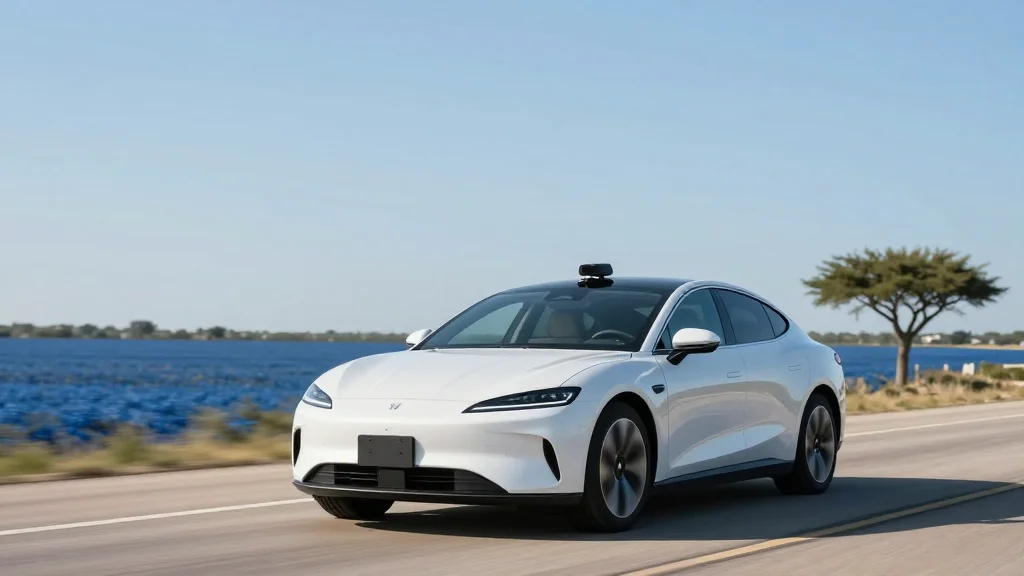
Waymo Registers 577 Robots in Texas, Leaving Tesla's 42 Behind

Why It Matters
The Texas registration figures provide the first concrete metric of scale in the U.S. robotaxi market, a sector projected to become a multi‑trillion‑dollar industry by 2030. Waymo’s sizable fleet gives it a data advantage for refining its sixth‑generation driver software, improving safety and expanding into new weather conditions, such as snow, that have previously limited autonomous deployments. Tesla’s lagging numbers raise concerns about its ability to monetize the Full Self‑Driving (FSD) promise that underpins much of its valuation. Without a substantial fleet, Tesla cannot generate the ride‑hailing revenue needed to offset slowing vehicle sales, potentially reshaping investor expectations for the company’s AI‑driven growth narrative.
Key Takeaways
- •Waymo registered 577 autonomous vehicles in Texas, over 13× Tesla's 42.
- •Texas DMV's new tracker, effective May 28, provides the first public fleet counts.
- •Tesla’s robotaxi service launched in Austin in June 2025, now expanded to Dallas and Houston.
- •Waymo paused service in some Texas cities due to flood‑related safety issues.
- •Tesla VP of AI, Ashok Elluswamy, said unsupervised vehicles will increase over time.
Pulse Analysis
Waymo’s registration advantage in Texas is more than a head‑count statistic; it translates into a richer data set for training its Waymo Driver system. Each mile logged by a Waymo vehicle feeds into a feedback loop that refines perception algorithms, especially as the company rolls out the Ojai van with a leaner sensor suite. This data advantage is likely to accelerate Waymo’s ability to navigate complex environments, from snow‑laden streets to flooded roadways, giving it a competitive moat that Tesla’s camera‑only approach struggles to match.
Tesla’s strategy hinges on scaling the Cybercab at a low cost, but the current fleet size suggests a bottleneck in both production and regulatory approval. The safety concerns highlighted by former labelers and external experts erode confidence in Tesla’s claim that FSD can operate without extensive mapping or human oversight. Until Tesla can demonstrate a robust, safe fleet at scale, its robotaxi ambitions may remain a peripheral revenue stream rather than a core growth engine.
Investors should watch two near‑term catalysts: Waymo’s response to its recent flood‑related service suspensions and Tesla’s rollout of unsupervised vehicles as indicated by Elluswamy. Successful mitigation of safety issues could cement Waymo’s market share, while a rapid expansion of Tesla’s fleet could narrow the gap and re‑ignite the rivalry that defines the autonomous‑mobility sector.
Waymo Registers 577 Robots in Texas, Leaving Tesla's 42 Behind
Comments
Want to join the conversation?
Loading comments...