Waymo's Fleet Swells Past 800 Vehicles, Expanding Autonomous Presence in U.S. Cities

Companies Mentioned
Why It Matters
Waymo’s fleet expansion signals that autonomous mobility is moving from experimental pilots to a scalable service model. A larger vehicle base accelerates data collection, which in turn refines perception algorithms and reduces per‑mile operating costs—critical factors for achieving profitability in a market still dominated by traditional ride‑hailing. Moreover, Waymo’s multi‑city presence pressures municipal regulators to craft consistent frameworks for AV testing and deployment, potentially setting nationwide standards. The competitive dynamics are also shifting. Zoox’s limited waiver and Tesla’s region‑specific robotaxi trials mean Waymo currently enjoys the widest commercial coverage in the United States. If Waymo can sustain growth while keeping safety incidents low, it could lock in early‑mover advantages that translate into long‑term market share, influencing the strategic calculations of investors, automakers, and technology partners alike.
Key Takeaways
- •Waymo now operates over 800 autonomous vehicles in a 260‑sq‑mi Bay Area zone.
- •Hundreds of additional AVs are active in Phoenix, Los Angeles, Miami, Atlanta and Austin, covering ~700 sq mi total.
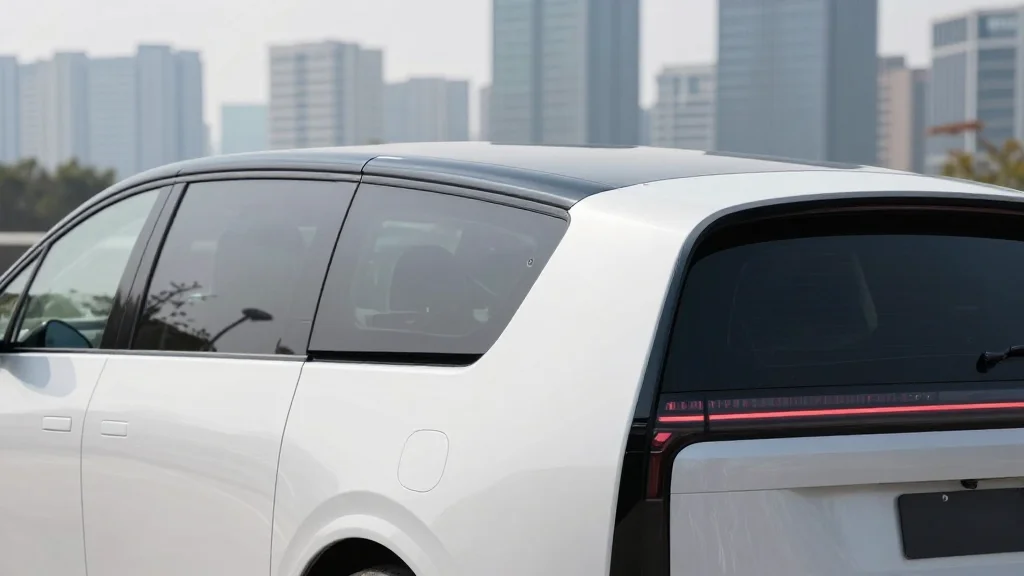
- •Partnership with Magna enables a single factory to outfit Jaguar SUVs and Zeekr‑based Ojai minivans with Waymo’s sensor suite.
- •Waymo’s valuation stands at approximately $126 billion despite modest fare revenue.
- •Competitors Zoox and Tesla lag in fleet size and regulatory clearance for full commercial service.
Pulse Analysis
Waymo’s aggressive fleet buildup reflects a strategic bet that scale will unlock the economics of autonomous ride‑hailing. Historically, AV developers have struggled to translate technology breakthroughs into profitable operations because the cost per vehicle—driven by sensor hardware, integration, and safety validation—has remained high. By consolidating production with Magna and standardizing on a limited set of vehicle platforms, Waymo is driving down unit costs and creating a repeatable manufacturing pipeline. This mirrors the automotive industry’s shift toward modular platforms, suggesting Waymo is maturing from a tech‑first startup to a quasi‑OEM.
The competitive landscape is also crystallizing around regulatory posture. Zoox’s exemption to operate without a steering wheel is a double‑edged sword: it showcases technical daring but limits commercial deployment until full NHTSA approval is secured. Waymo’s decision to retain remote operator control, while less flashy, provides a clearer path to regulatory compliance and public trust. As municipalities observe Waymo’s safety record, they may be more inclined to grant broader operating permissions, further entrenching Waymo’s lead.
Looking forward, the key risk for Waymo is not just technical—sensor reliability in adverse weather remains a challenge—but also market acceptance. The company must demonstrate that its service can compete on price and convenience with established ride‑hailing platforms. If Waymo can achieve a critical mass of vehicles that yields lower per‑ride costs, it could force a price compression across the sector, compelling rivals to either accelerate their own scaling or pivot to niche markets. The next 12‑18 months will be decisive: hitting the 1,000‑vehicle mark in the Bay Area and expanding the Ojai minivan to new cities could cement Waymo’s status as the de‑facto standard‑bearer for autonomous mobility in the United States.
Waymo's Fleet Swells Past 800 Vehicles, Expanding Autonomous Presence in U.S. Cities
Comments
Want to join the conversation?
Loading comments...