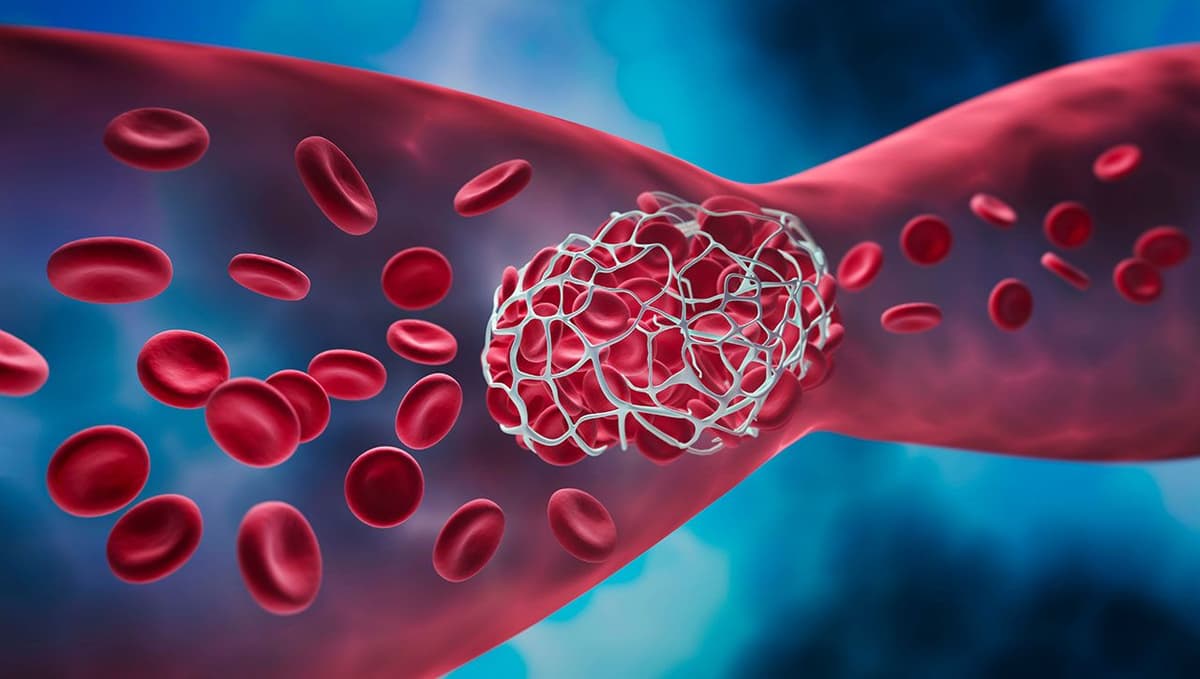
Bristol Myers Squibb and Johnson & Johnson Launch Educational Program for Thromboembolic R&D
•February 3, 2026
0
Companies Mentioned


Why It Matters
By promoting FXIa inhibition, the initiative could reshape anticoagulant therapy, reducing bleeding complications and expanding treatment options for high‑risk patients. This partnership signals a strategic shift toward targeted, collaborative drug development in a high‑mortality market.
Key Takeaways
- •FXIa inhibition aims to prevent clots, preserve healthy clotting
- •1M US deaths annually from cardiovascular thromboembolic disease
- •40% atrial fibrillation patients untreated or undertreated
- •BMS and J&J combine expertise to accelerate FXIa research
Pulse Analysis
The launch of the “Change the Target” campaign reflects a broader industry pivot toward precision anticoagulation. Traditional agents that block the common coagulation pathway often trade efficacy for safety, leaving a sizable cohort of atrial‑fibrillation and stroke patients either under‑treated or exposed to bleeding risks. Factor XIa sits upstream of thrombin generation, offering a mechanistic window to uncouple pathological clot formation from physiological hemostasis. By educating clinicians on this nuance, BMS and J&J aim to catalyze adoption of next‑generation therapies that could fill a glaring therapeutic void.
Beyond the scientific premise, the partnership underscores the accelerating trend of cross‑company collaborations in pharma. BMS brings deep cardiovascular research capabilities, while J&J contributes extensive commercial infrastructure and a robust network of patient‑advocacy groups. This synergy enables rapid dissemination of educational content, alignment with regulatory pathways, and potential co‑development of FXIa inhibitors. Such alliances are increasingly vital as drug development costs rise and the need for differentiated, high‑impact treatments becomes more acute.
If successful, the FXIa focus could reshape market dynamics for anticoagulants, challenging incumbents like warfarin and direct oral anticoagulants. A therapy that delivers comparable stroke prevention with markedly lower bleeding rates would likely command premium pricing and capture a sizable share of the multi‑billion‑dollar cardiovascular market. Moreover, the educational thrust may accelerate clinical trial enrollment and real‑world evidence generation, hastening regulatory approvals and patient access. In sum, the BMS‑J&J initiative not only addresses an unmet clinical need but also exemplifies how strategic collaboration can drive innovation in a competitive therapeutic arena.
Bristol Myers Squibb and Johnson & Johnson Launch Educational Program for Thromboembolic R&D
0
Comments
Want to join the conversation?
Loading comments...