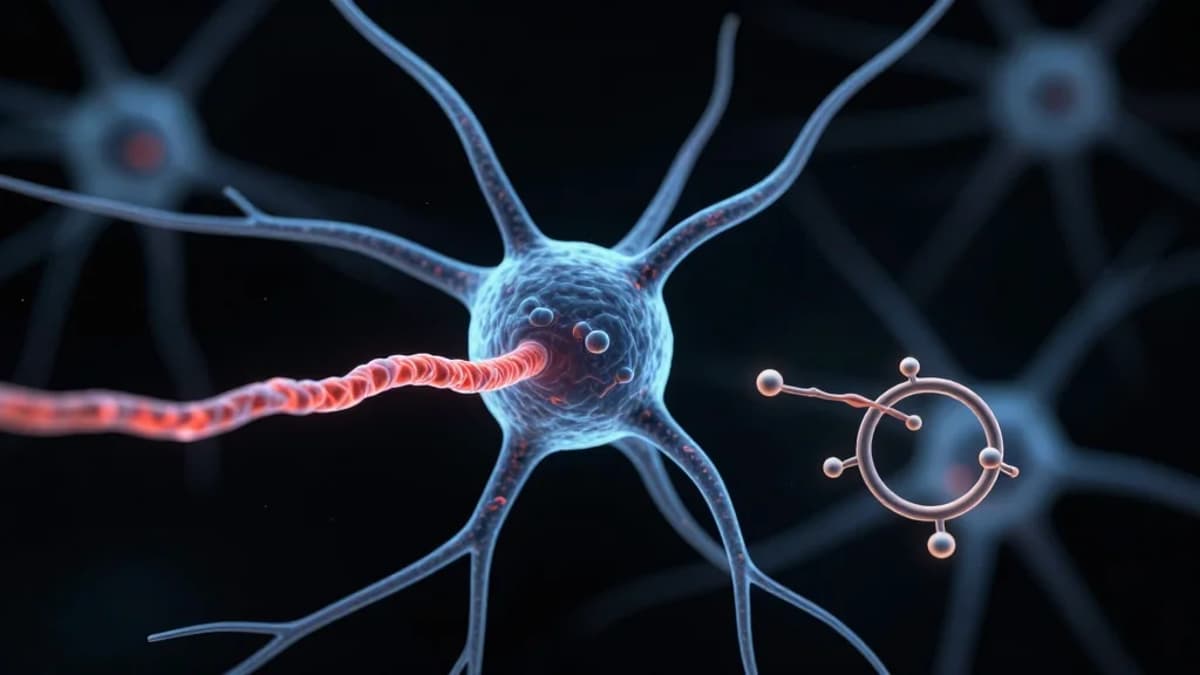
CUL5 as a Potential Target to Reduce Tau Levels in the Aging Brain
•February 6, 2026
0

Why It Matters
Targeting CUL5 could open a novel therapeutic avenue for tauopathies, addressing a core driver of neurodegeneration that current approaches only indirectly affect. Demonstrating a causal link between CUL5 activity and tau reduction would reshape drug pipelines focused on Alzheimer’s and related disorders.
Key Takeaways
- •CUL5 knockdown lowers tau protein in neurons.
- •Genome-wide CRISPR screen identified CUL5 as tau regulator.
- •CUL5 linked to resilience in tauopathies across cell types.
- •Mechanism may involve ubiquitination or neuro‑immune signaling.
- •Therapeutic targeting still early; functional role unclear.
Pulse Analysis
Tau aggregation lies at the heart of Alzheimer’s disease and related tauopathies, driving neuronal dysfunction and death. While immunotherapies aim to clear extracellular tau, reducing intracellular tau synthesis or stability offers a complementary strategy. The recent identification of CUL5—a component of the Cullin‑RING ligase complex—as a negative modifier of tau levels introduces a fresh molecular lever. By modulating a protein that orchestrates the degradation of hundreds of substrates, researchers may achieve a more nuanced control over tau homeostasis without completely abolishing its physiological functions.
The discovery emerged from a high‑throughput CRISPR interference screen performed on induced pluripotent stem cell‑derived neurons. Compared with earlier screens in cancer‑derived SH‑SY5Y cells, the iPSC model captured neuron‑specific regulatory networks, revealing CUL5 knockdown as a robust reducer of tau accumulation. Correlative analyses across the Seattle Alzheimer’s Disease Brain Cell Atlas showed that CUL5 and its interactors, such as ARIH2 and SOCS4, are enriched in neuronal populations that display relative resilience to tau pathology. These patterns hint at dual mechanisms: direct ubiquitination of tau or indirect modulation of neuro‑immune signaling pathways that influence neuronal survival.
From a drug development perspective, CUL5 presents both opportunity and challenge. Its broad substrate repertoire raises concerns about off‑target effects, yet its apparent link to disease resilience suggests a therapeutic window. Future work must delineate whether CUL5‑mediated ubiquitination directly tags tau for proteasomal degradation or whether it reshapes inflammatory cascades that indirectly curb tau aggregation. Clarifying this mechanism will guide the design of small‑molecule modulators or PROTACs that selectively harness CUL5’s protective capacity, potentially accelerating the pipeline for disease‑modifying Alzheimer’s treatments.
CUL5 as a Potential Target to Reduce Tau Levels in the Aging Brain
0
Comments
Want to join the conversation?
Loading comments...