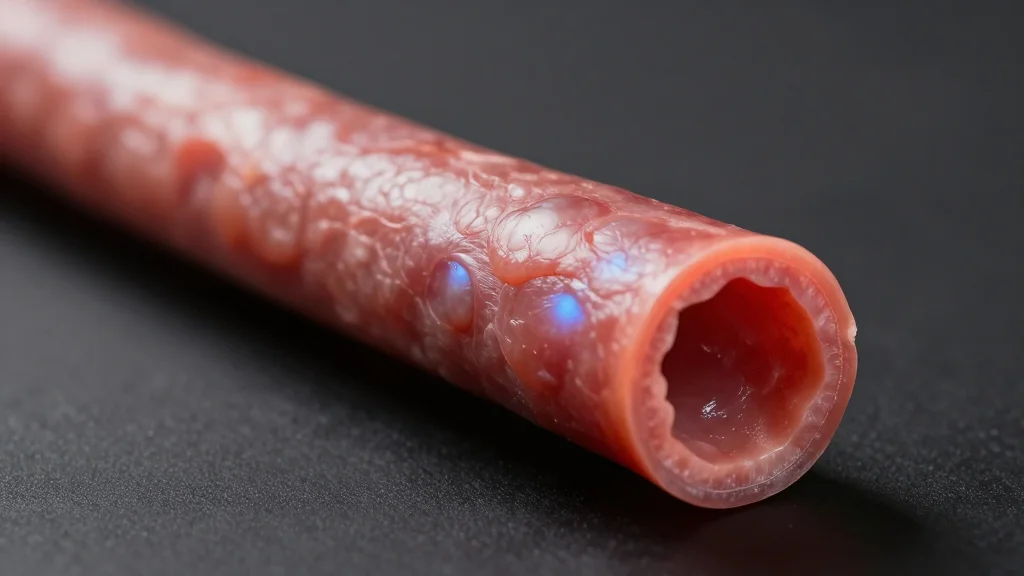
IRF7 Expression Drives Instability in Atherosclerotic Plaques

Key Takeaways
- •IRF7 drives smooth muscle cell transition to inflammatory phenotype
- •Upregulated IRF7 found in unstable human atherosclerotic plaques
- •SMC-specific Irf7 knockdown reduces plaque size and necrotic core
- •Preserves contractile SMC phenotype, enhancing fibrous cap stability
- •Single‑cell RNA‑seq identified stem‑endothelial‑monocyte intermediate
Pulse Analysis
Atherosclerosis remains the leading cause of mortality worldwide, largely because plaque rupture triggers acute events such as myocardial infarction and stroke. While lipid accumulation and inflammation have long been recognised, the cellular plasticity of smooth muscle cells (SMCs) adds a layer of complexity. When SMCs abandon their contractile identity and adopt macrophage‑like traits, they contribute to a softer, lipid‑rich core that is prone to fissuring. Understanding the molecular switches that govern this phenotypic drift is therefore critical for next‑generation cardiovascular therapies.
In a recent study, investigators re‑examined single‑cell RNA‑seq data from lineage‑traced mice to map SMC heterogeneity during atherogenesis. Trajectory modelling highlighted a previously undefined stem‑endothelial‑monocyte intermediate, and gene‑regulatory network analysis pinpointed IRF7 as the central transcription factor steering SMCs toward a pro‑inflammatory phenotype. Validation in human plaques showed IRF7 up‑regulation correlating with macrophage burden, while SMC‑specific Irf7 silencing in ApoE‑knockout mice dramatically reduced lesion size, necrotic core volume, and restored fibrous‑cap thickness. These findings link IRF7 activity directly to plaque instability and suggest that modulating this pathway can preserve SMC contractility.
The therapeutic implications are profound. By inhibiting IRF7, drug developers could design agents that lock SMCs in a stable, contractile state, thereby reinforcing plaque integrity and preventing rupture. Such an approach complements existing lipid‑lowering and anti‑inflammatory strategies, offering a multi‑pronged defense against cardiovascular events. Future work will need to translate these genetic insights into small‑molecule or biologic inhibitors, assess safety in large‑scale models, and explore biomarkers for patient stratification. If successful, IRF7‑targeted therapies could reshape the market for atherosclerosis treatment and deliver measurable reductions in morbidity and healthcare expenditures.
IRF7 Expression Drives Instability in Atherosclerotic Plaques
Comments
Want to join the conversation?