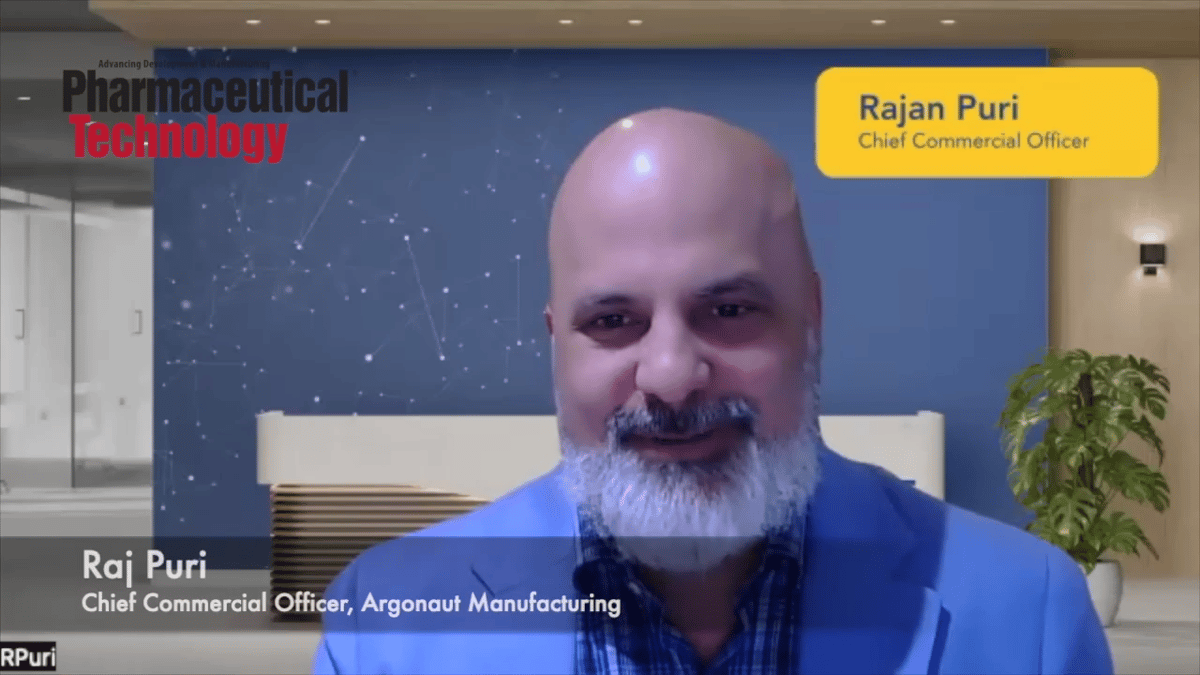
Making Smart Decisions and Investments in Trained Staff Key to 2026 Success
•January 5, 2026
0
Why It Matters
Tariff‑driven cost inflation and talent shortages could reshape competitive advantage in pharma manufacturing, favoring firms that blend strategic investment with skilled workforce development.
Key Takeaways
- •Tariffs increase facility build costs and timelines
- •Geopolitical instability threatens investment realization
- •Cross‑functional staff improve operational agility
- •Midsize CDMOs can out‑compete larger rivals via culture
- •Supply‑demand curve likely to shift in 2026
Pulse Analysis
The lingering impact of U.S. tariffs on pharmaceutical manufacturing is reshaping capital allocation strategies for 2026. Companies now must weigh not only the direct expense of new plants or retrofits but also the hidden costs of delayed market entry. As tariffs elevate raw material prices and create regulatory uncertainty, firms that can absorb these shocks while maintaining project momentum will secure a stronger foothold in an increasingly fragmented market.
Beyond the balance sheet, the talent equation is emerging as a decisive factor. Argonaut Manufacturing’s emphasis on a dynamic, cross‑functional workforce reflects a broader industry trend: the ability to rotate engineers, operators, and quality professionals across functions accelerates problem‑solving and reduces reliance on costly external consultants. This internal mobility cultivates institutional knowledge that cannot be bought, giving midsize CDMOs a competitive edge over larger players that often rely on scale rather than skill depth.
Looking ahead, the convergence of tariff‑induced cost pressures and a tightening labor pool will likely compress profit margins for manufacturers that fail to adapt. Strategic investors should prioritize facilities that integrate advanced automation with a workforce capable of managing complex processes. Simultaneously, fostering a culture of continuous learning and role‑rotation can mitigate talent scarcity, ensuring that operational excellence translates into faster time‑to‑market and sustained growth. Companies that align capital investment with human capital development are poised to thrive in the volatile landscape of 2026.
Making Smart Decisions and Investments in Trained Staff Key to 2026 Success
0
Comments
Want to join the conversation?
Loading comments...