Mechanisms of Aging in the Vasculature and Immune System in the Context of Hypertension
•January 19, 2026
0

Why It Matters
Understanding the intertwined aging of the vasculature and bone marrow reveals novel intervention points that could mitigate hypertension’s progression and associated cardiovascular risk.
Key Takeaways
- •Inflammation drives vascular dysfunction in hypertension.
- •Bone marrow aging disrupts hematopoiesis, amplifying immune dysregulation.
- •Oxidative stress links endothelial injury to arterial stiffening.
- •Vascular and marrow aging create a self‑reinforcing hypertension loop.
- •Targeting marrow‑immune axis offers novel therapeutic avenues.
Pulse Analysis
Hypertension’s prevalence rises sharply with age, yet traditional treatments often overlook the underlying biological aging processes. Recent studies underscore that chronic, low‑grade inflammation—sometimes termed "inflammaging"—directly impairs endothelial function, promoting arterial stiffening and maladaptive remodeling. Oxidative stress compounds this damage by generating reactive species that degrade nitric‑oxide signaling, a key regulator of vascular tone. By framing hypertension as a disease of vascular senescence, clinicians can better appreciate why standard antihypertensives sometimes fall short in older patients.
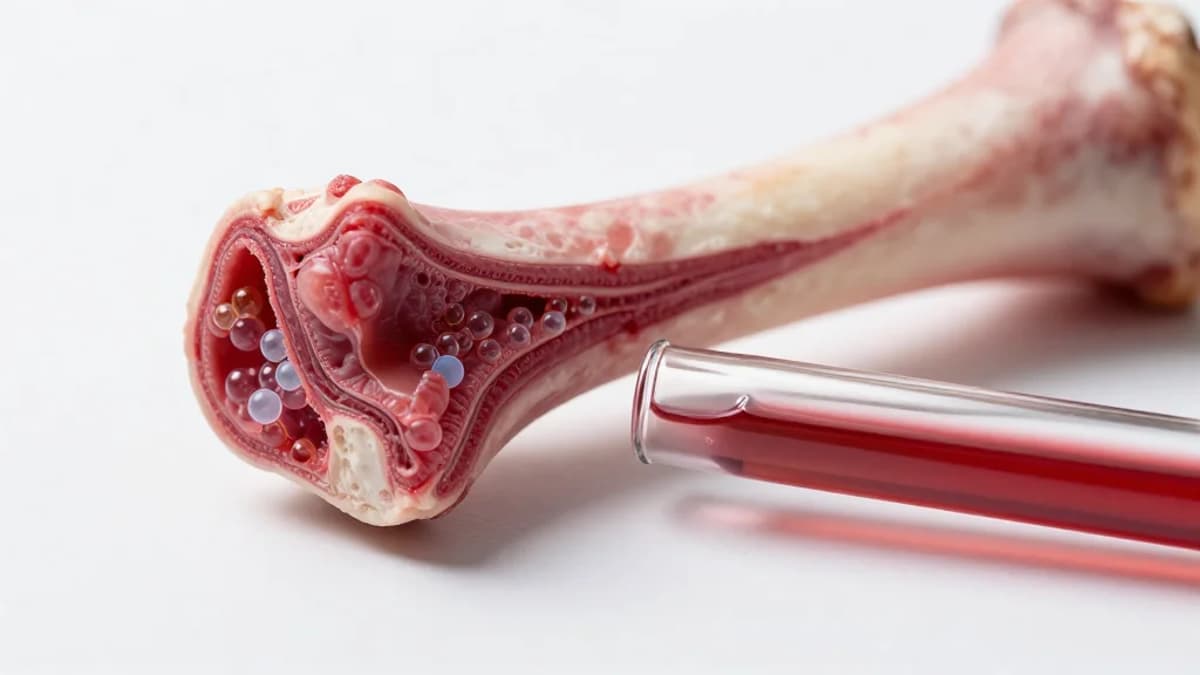
Equally pivotal is the role of the bone marrow, the cradle of immune cell production. As marrow microvasculature ages, hematopoietic stem cells experience niche disruption, skewing differentiation toward pro‑inflammatory lineages. This shift fuels a vicious cycle: heightened systemic inflammation further damages the marrow environment, perpetuating dysregulated hematopoiesis. The review highlights emerging evidence that bone‑marrow aging accelerates hypertension by amplifying immune‑mediated vascular injury, a connection that has been largely ignored in conventional cardiovascular research.
Recognizing the bidirectional link between vascular and marrow aging opens fresh therapeutic avenues. Interventions aimed at reducing oxidative stress, such as targeted antioxidants or lifestyle modifications, may restore endothelial resilience. Simultaneously, strategies that rejuvenate bone‑marrow function—like senolytic agents, niche‑modulating drugs, or hematopoietic stem‑cell therapies—hold promise for breaking the inflammatory feedback loop. Integrating these approaches could lead to more comprehensive hypertension management, especially for the aging population, and spur a new wave of research into age‑focused cardiovascular care.
Mechanisms of Aging in the Vasculature and Immune System in the Context of Hypertension
0
Comments
Want to join the conversation?
Loading comments...