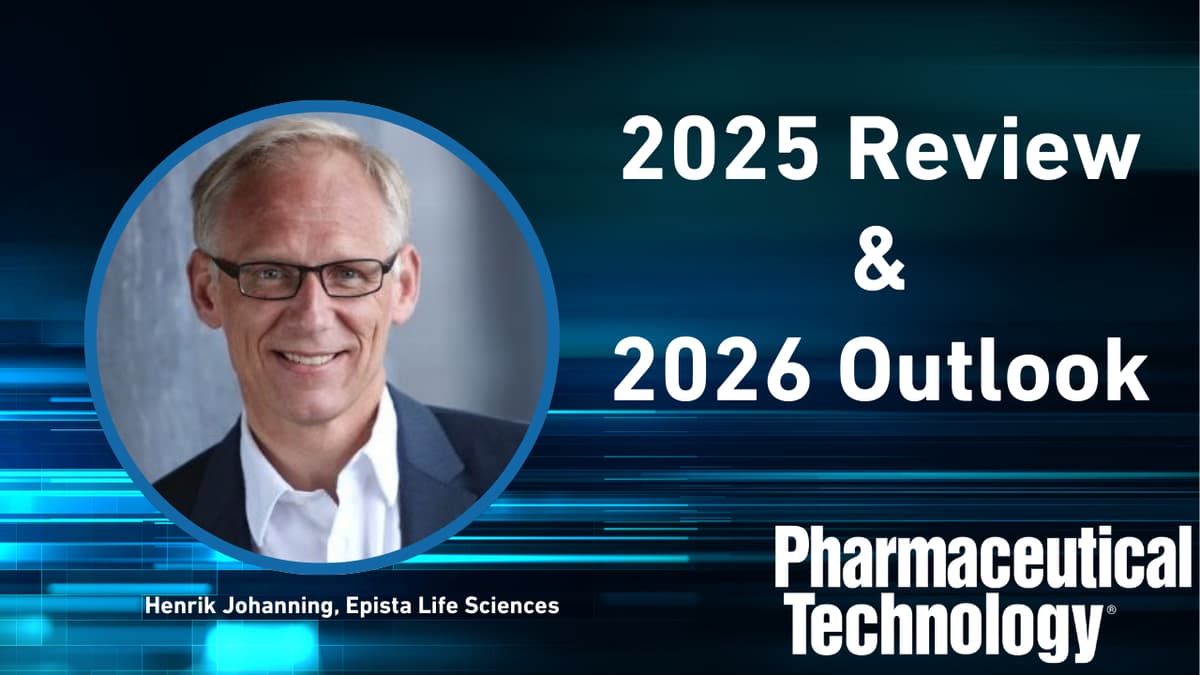
Navigating Digitalization, QRM Maturity, and Global Compliance Convergence Into 2026
•December 28, 2025
0
Why It Matters
These shifts force pharma companies to invest in facility modernization, digital infrastructure, and hybrid talent, directly impacting cost structures, product quality, and market agility in a highly regulated environment.
Key Takeaways
- •QRM moving from theory to actionable risk‑based controls.
- •Annex 1 upgrades demand new HVAC, water, contamination systems.
- •Annex 11/22 push lifecycle management and data integrity in IT.
- •Dual‑sourcing and regionalisation mitigate geopolitical supply risks.
- •Hybrid quality‑engineering‑data talent essential for digital transformation.
Pulse Analysis
The 2026 outlook for European pharmaceutical manufacturing is defined by a regulatory push toward deeper integration of quality risk management. ICH Q9‑based QRM is moving beyond paper assessments, compelling firms to prioritize controls, remediation, and capital spending based on quantified risk. Simultaneously, EU GMP Annex 1 is no longer a checklist; it requires substantive upgrades to sterile environments, including advanced HVAC designs, water‑system redundancy, and contamination‑control technologies. Companies that align facility investments with these risk‑based priorities will achieve sustained compliance and protect product integrity.
Digital GMP is another cornerstone of the 2026 agenda. Annex 11 and the newly introduced Annex 22 raise the bar for computerized system lifecycle management, data integrity, and supplier oversight, especially as cloud‑based architectures become commonplace. While AI and advanced analytics promise efficiency gains in deviation handling and process monitoring, adoption is hampered by non‑GMP‑ready data, unclear validation pathways, and a shortage of professionals who blend quality, engineering, and data science expertise. Organizations that develop hybrid talent pipelines and embed clear governance frameworks will unlock the full potential of automation while satisfying regulator expectations.
Supply‑chain resilience and sustainability complete the strategic triad. Geopolitical uncertainty and tariff pressures are accelerating regionalisation and dual‑sourcing strategies, reducing reliance on single‑source suppliers and aligning manufacturing footprints with convergent EU GMP, ICH, and PIC/S standards. At the same time, environmental performance is being woven into facility design—optimising HVAC, water usage, and cleaning processes to meet both cost and carbon‑reduction targets. Firms that integrate these dimensions—risk‑based quality, digital governance, and resilient, sustainable networks—will be positioned to navigate 2026’s regulatory landscape and maintain competitive advantage.
Navigating Digitalization, QRM Maturity, and Global Compliance Convergence into 2026
0
Comments
Want to join the conversation?
Loading comments...