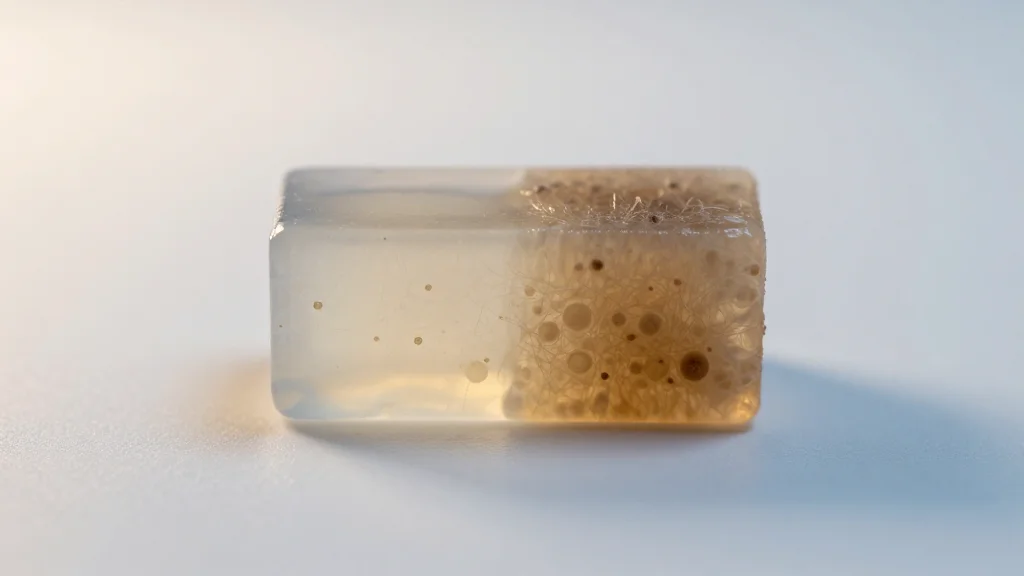
Reduced Mechanical Stimulation in Aged Bone Marrow Contributes to Cell Dysfunction

Key Takeaways
- •Aging lowers bone marrow cell traction forces.
- •Vibrational loading restores intracellular mechanics in aged mice.
- •FOXO1 activation links mechanical cues to gene expression.
- •Improved mechanics reduce frailty and systemic inflammation.
Pulse Analysis
Mechanical signaling has emerged as a pivotal regulator of cellular fate, especially within the three‑dimensional extracellular matrix of bone marrow. In aged tissue, the matrix stiffens and loses its dynamic properties, curtailing the traction forces that mesenchymal stem cells (BMSCs) generate. This reduction impairs chromatin accessibility, silencing key longevity genes such as FOXO1. By quantifying these biomechanical deficits, the study provides a mechanistic bridge between tissue‑level aging and molecular dysfunction.
Intervention with low‑frequency vibrational loading re‑establishes the mechanical environment that BMSCs require. The restored traction forces reopen chromatin, allowing FOXO1 expression to rebound and drive downstream regenerative pathways. Importantly, FOXO1 knockdown nullifies these benefits, confirming its role as a mechanotransduction hub. This mechanistic insight underscores that physical cues, not just biochemical signals, can rejuvenate aged stem cells, opening new research directions for bio‑physical therapeutics.
Beyond cellular restoration, the systemic effects are striking. Aged mice receiving vibrational therapy exhibit heightened locomotor activity, reduced frailty scores, and lower circulating inflammatory markers. These outcomes suggest that localized mechanical stimulation can propagate health benefits throughout the organism, potentially delaying age‑related decline. For clinicians and biotech firms, the findings point to a low‑cost, scalable modality that could augment existing anti‑aging strategies and improve quality of life for older populations.
Reduced Mechanical Stimulation in Aged Bone Marrow Contributes to Cell Dysfunction
Comments
Want to join the conversation?