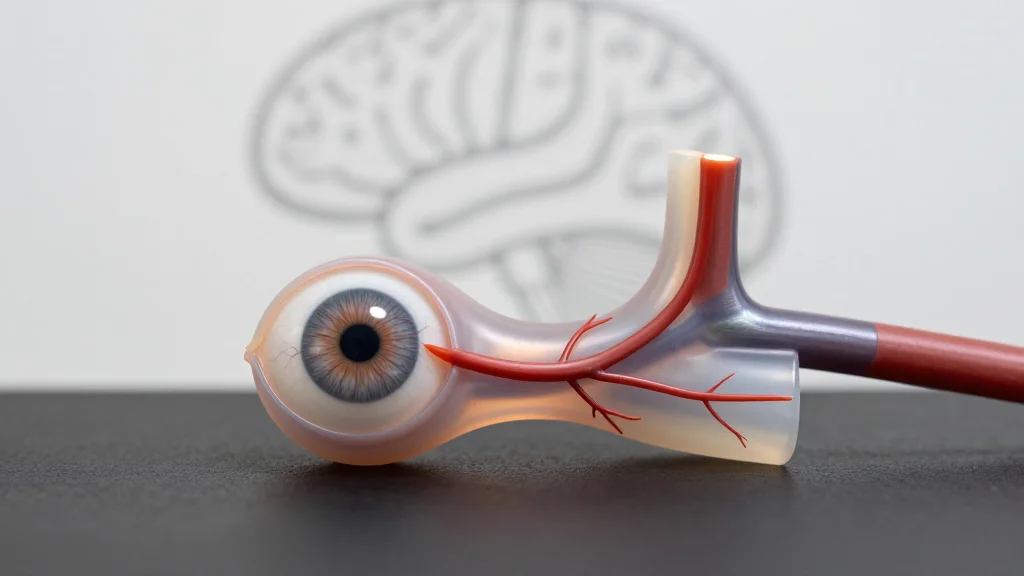
The Aging of Retinal Vasculature Reflects the Aging of the Brain

Key Takeaways
- •Retinal vessel density correlates with brain white matter lesions
- •Similar genetic pathways link eye, carotid, and aortic vessels
- •Eye scans may predict arterial stiffness and brain aging
- •Correlations persist after adjusting for hypertension
- •UK Biobank data supports cross‑organ vascular biomarkers
Pulse Analysis
The retina is unique among central nervous system tissues because it can be visualized directly, offering a real‑time window into microvascular health. As people age, capillary networks thin and become more tortuous, mirroring the broader decline in angiogenic capacity seen throughout the body. By leveraging high‑resolution fundus photography, researchers can quantify vessel density, caliber, and branching patterns, turning a simple eye exam into a potential biomarker for systemic aging processes.
In the recent cross‑organ analysis, investigators examined up to 68,740 UK Biobank participants, extracting imaging‑derived phenotypes from retinal scans, carotid ultrasound, aortic MRI, and brain MRI. Phenotypic correlations revealed that lower retinal vascular density aligns with higher white‑matter hyperintensity burden, thicker carotid intima‑media, and larger aortic cross‑sectional area, while higher aortic distensibility shows the opposite trend. Genetic overlap further reinforced these links, highlighting shared loci involved in extracellular matrix remodeling and endothelial function. Importantly, these associations remained statistically robust after controlling for hypertension, suggesting an intrinsic vascular aging signal rather than a mere by‑product of blood pressure.
The clinical implications are compelling. A quick, non‑invasive retinal scan could serve as an early warning system for arterial stiffening and cerebral microvascular disease, prompting timely interventions such as lifestyle modification or targeted pharmacotherapy. Moreover, integrating retinal metrics into existing risk models may refine predictions for stroke, dementia, and cardiovascular events. Future work should focus on longitudinal validation, standardizing imaging protocols, and exploring AI‑driven analytics to translate these findings into routine practice, potentially reshaping preventive cardiology and neurology.
The Aging of Retinal Vasculature Reflects the Aging of the Brain
Comments
Want to join the conversation?