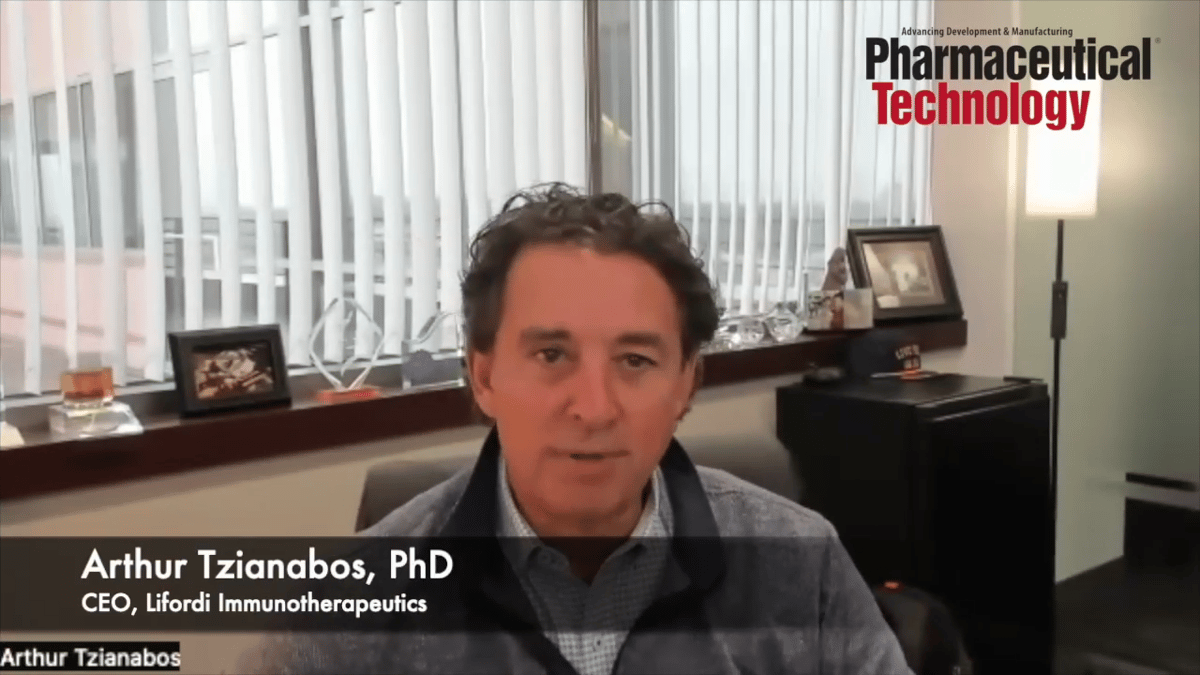
The Benefits of an Immune-Directed ADC Strategy
•January 9, 2026
0
Companies Mentioned


Why It Matters
By coupling steroids to a VISTA‑targeted ADC, Lifordi could dramatically reduce side effects while preserving efficacy, potentially reshaping treatment paradigms for autoimmune diseases. This approach also signals a new wave of precision immunotherapy attracting significant capital and partnership interest.
Key Takeaways
- •Lifordi targets VISTA for immune‑directed steroid delivery.
- •VISTA internalizes quickly, enabling precise ADC payload release.
- •Phase I rheumatoid arthritis trial shows early safety signals.
- •$41M financing from Sanofi Ventures follows $70M Series A.
- •Industry optimism at JPM 2026 boosts partnership opportunities.
Pulse Analysis
The rise of antibody‑drug conjugates (ADCs) has traditionally been associated with oncology, yet Lifordi Immunotherapeutics is extending the technology to autoimmune disease. By exploiting VISTA—a surface protein abundant on lymphoid and myeloid cells—Lifordi’s ADC acts as a molecular “trojan horse,” ferrying a high‑potency steroid into diseased immune cells. VISTA’s rapid endocytosis and brief surface residency create a precise delivery window, minimizing exposure to healthy tissue and sidestepping the collateral damage that has plagued conventional steroid regimens.
In rheumatoid arthritis, where long‑term steroid use drives a $10 billion market, the clinical promise of a targeted ADC is compelling. Early Phase I data suggest that delivering the steroid intracellularly preserves therapeutic potency while markedly reducing systemic adverse events. If safety and efficacy are confirmed, Lifordi could set a new benchmark for treating inflammatory conditions, potentially expanding the ADC platform to other autoimmune indications such as lupus or multiple sclerosis. The approach aligns with a broader industry push toward precision immunotherapy, where efficacy is decoupled from toxicity.
Financial backing underscores the strategic relevance of this innovation. A $41 million infusion from Sanofi Ventures, following a $70 million Series A, signals strong confidence from both venture and strategic investors. The timing coincides with heightened optimism at the JP Morgan Healthcare Conference, where Lifordi will engage with potential partners amid a wave of biotech valuations and M&A activity. This confluence of scientific novelty, clinical potential, and capital support positions Lifordi to influence the next generation of immune‑targeted therapeutics.
The Benefits of an Immune-Directed ADC Strategy
0
Comments
Want to join the conversation?
Loading comments...