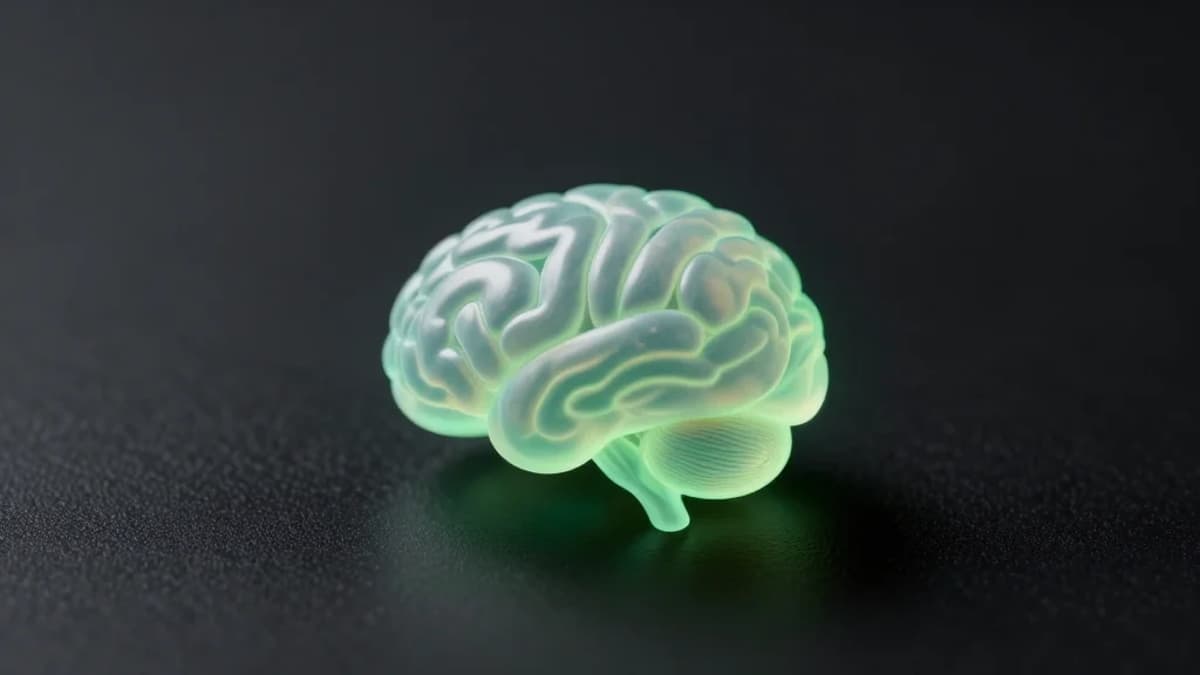
The Brain as the Rate-Limiting Organ for Longevity
•February 25, 2026
0

Why It Matters
If brain function continues to lag, extended lifespan will not translate into meaningful healthspan, reshaping priorities for longevity medicine.
Key Takeaways
- •Brain aging limits overall healthspan.
- •Peripheral interventions insufficient without neural preservation.
- •Neural network integrity drives systemic homeostasis.
- •Brain-First Longevity Framework prioritizes neural repair.
- •Emerging therapies target cognition, sleep, autonomic function.
Pulse Analysis
Longevity research has traditionally zeroed in on metabolic pathways, senescent cell clearance, and peripheral organ rejuvenation. This focus has yielded impressive gains in cardiovascular and musculoskeletal health, yet the central nervous system remains under‑investigated. The brain’s unique architecture—its limited regenerative capacity, protected yet hard‑to‑access location, and role as the repository of memory—creates a distinct challenge for scientists seeking to extend functional years. Recognizing these constraints is the first step toward a more balanced longevity agenda that does not overlook the organ that orchestrates behavior, cognition, and physiological regulation.
Recent evidence underscores the brain’s status as a systemic regulator. Disruption of neural networks compromises cognitive resilience, autonomic balance, sleep integrity, and affective stability—processes essential for maintaining homeostasis. Neurodegenerative conditions illustrate how localized neural decay precipitates cascading failures in peripheral systems, effectively capping healthspan regardless of peripheral tissue health. By framing the brain as the rate‑limiting organ, researchers can better explain why interventions that improve metabolic markers often fall short of delivering quality‑of‑life extensions, highlighting the need for therapies that directly safeguard or restore neural circuitry.
The proposed Brain‑First Longevity Framework reorients drug development, diagnostics, and clinical practice toward neural preservation. Emerging modalities—such as targeted neurotrophic factors, gene‑editing approaches for synaptic repair, and non‑invasive neuromodulation—aim to bolster cognition, sleep architecture, and autonomic function without erasing stored information. Integrating biomarkers of neural network integrity into longevity trials could accelerate the translation of these innovations. Ultimately, a brain‑centric strategy promises to align extended lifespan with sustained healthspan, positioning neural health as the cornerstone of next‑generation longevity medicine.
The Brain as the Rate-Limiting Organ for Longevity
0
Comments
Want to join the conversation?
Loading comments...