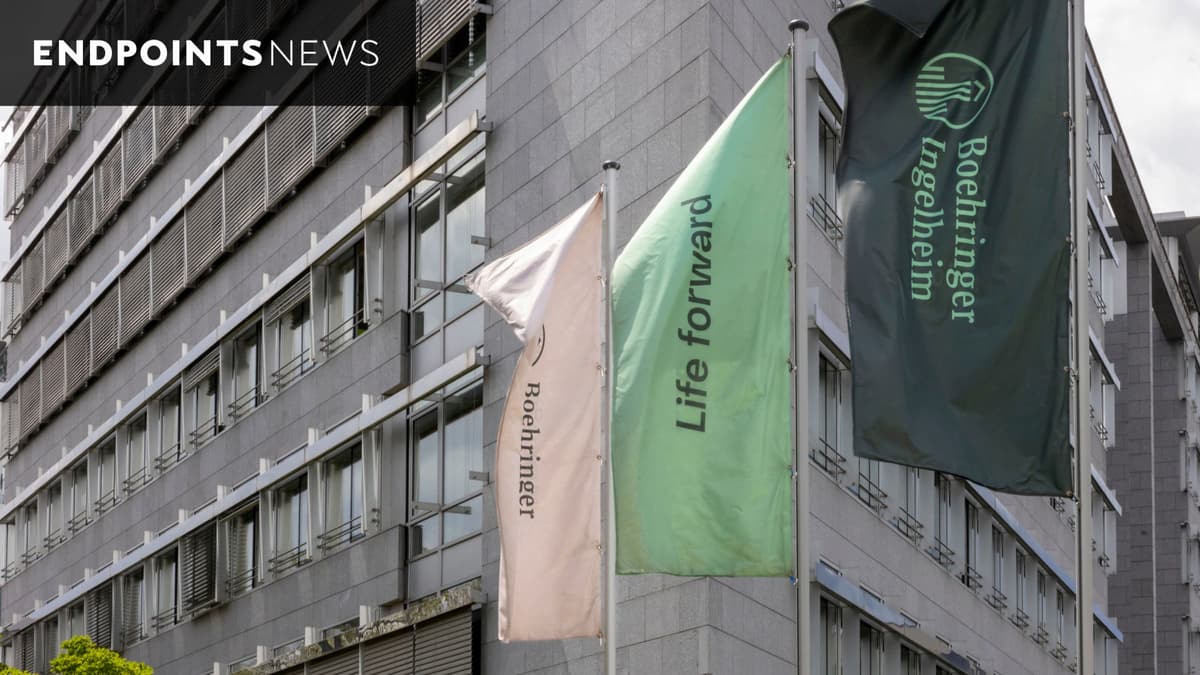
AcquisitionBioTech
Boehringer Ingelheim to Acquire IBD Bispecific From Simcere for €42M
•January 27, 2026
•Jan 27, 2026
0
Participants

Why It Matters
The partnership expands Boehringer’s immunology pipeline and accelerates its entry into the lucrative Chinese IBD market, highlighting the strategic value of bispecific antibodies.
Key Takeaways
- •€42 million upfront for IBD bispecific partnership.
- •Boehringer gains Chinese market access via Simcere.
- •Bispecific antibodies emerging as hot IBD therapeutic class.
- •Collaboration includes development, regulatory, and commercialization milestones.
- •Strengthens Boehringer’s immunology pipeline amid competitive landscape.
Pulse Analysis
Inflammatory bowel disease remains a major unmet medical need, with biologics capturing a sizable share of the $15 billion global market. Yet a substantial proportion of patients either do not respond or lose efficacy over time, prompting investors to seek next‑generation modalities. Bispecific antibodies, which can simultaneously engage two disease‑relevant targets, promise enhanced efficacy and differentiated mechanisms of action, positioning them as a hot segment in immunology research and drug development.
Boehringer Ingelheim’s €42 million upfront commitment to Simcere reflects a calculated move to diversify its immunology portfolio while leveraging Simcere’s strong presence in China’s biotech ecosystem. The agreement likely includes tiered milestone payments tied to pre‑clinical success, IND filing, and regulatory approvals, aligning both parties’ incentives. For Boehringer, the partnership offers a rapid entry point into a market that accounts for roughly 20% of global IBD drug sales, while Simcere benefits from a seasoned global partner capable of scaling commercialization beyond domestic borders.
The collaboration signals broader industry trends where Western pharma firms are increasingly partnering with Chinese innovators to tap local expertise and accelerate pipeline diversification. As bispecific platforms mature, competition will intensify among major players racing to secure first‑to‑market advantage. Successful execution could not only deliver a novel therapy for IBD patients but also set a precedent for future cross‑border deals, reshaping the competitive dynamics of biologics and reinforcing the strategic importance of multi‑targeted antibody technologies.
Deal Summary
German pharma Boehringer Ingelheim has agreed to pay €42 million upfront to Shanghai-based Simcere Pharmaceutical for an IBD bispecific drug candidate, marking a new partnership in immunology.
0
Comments
Want to join the conversation?
Loading comments...