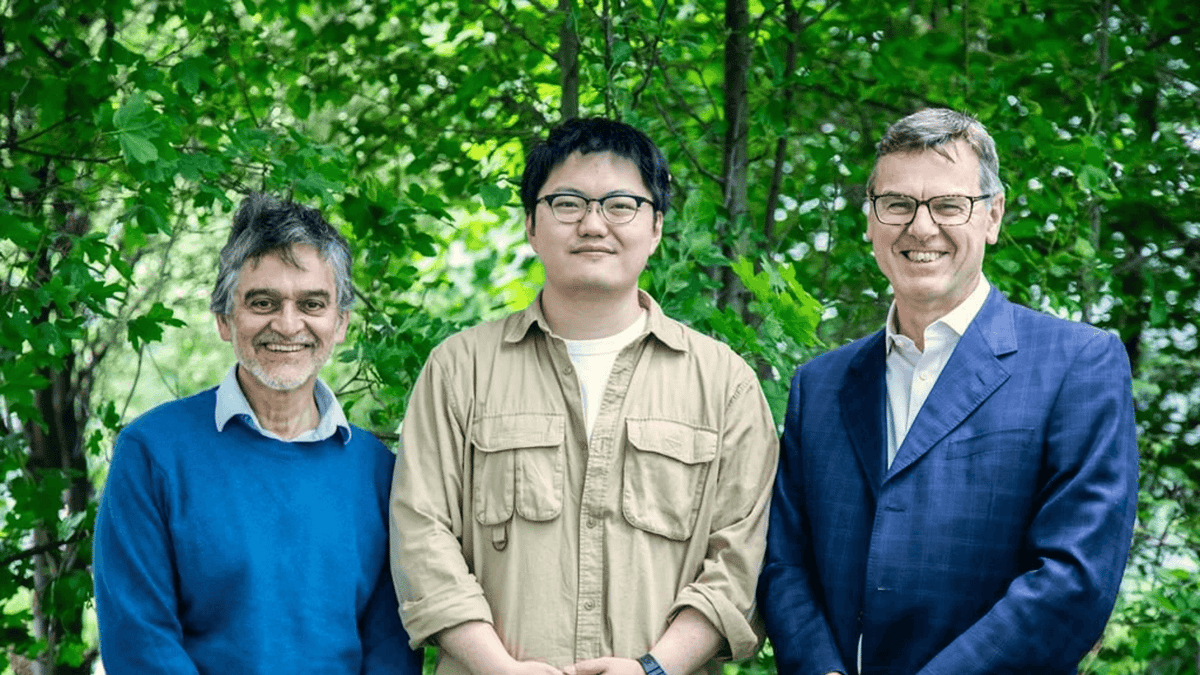
Cytotrait Secures £3M Seed Funding to Advance Agricultural Gene-Editing Platform
•March 9, 2026
•Mar 9, 2026
0
Why It Matters
Organellar gene editing could shorten trait‑development cycles and simplify regulatory approval, reshaping sustainable agriculture and food‑security strategies.
Key Takeaways
- •£3M seed round led by Northern Gritstone.
- •MOSS edits chloroplasts, mitochondria for homoplasmy.
- •Enables rapid development of yield, pest‑resistance traits.
- •Targets wheat, maize, potato, canola in US/EU markets.
- •Potential to streamline regulation and boost carbon capture.
Pulse Analysis
Organellar gene editing is emerging as a frontier in agricultural biotechnology, offering a route to modify traits that are difficult to address through nuclear DNA alone. By targeting chloroplasts and mitochondria, Cytotrait’s MOSS platform sidesteps the complexities of Mendelian inheritance and achieves uniform genetic changes—homoplasmy—within a single generation. This technical edge promises faster breeding cycles and more predictable outcomes, positioning the company at the cutting edge of precision crop engineering.
Beyond speed, MOSS could simplify the regulatory landscape. Many jurisdictions treat organelle‑engineered crops differently from transgenic nuclear modifications, potentially reducing the time and cost required for market entry. The ability to insert or edit genes directly in organelles also opens pathways for traits such as enhanced photosynthetic efficiency, pest resistance, and novel nutritional profiles without introducing foreign nuclear DNA. For investors and agribusinesses, this translates into a lower risk profile and a clearer path to commercial adoption.
The £3 million seed investment underscores growing confidence in organelle‑focused biotech. Cytotrait plans to apply MOSS to staple crops—wheat, maize, potato, and canola—across European and North American markets, aligning with global demands for higher yields and climate‑resilient agriculture. By improving carbon capture through optimized chloroplast function, the technology also dovetails with sustainability goals, offering a dual benefit of productivity and environmental stewardship. As the sector seeks solutions to food security and climate change, Cytotrait’s approach could become a pivotal catalyst for next‑generation crop development.
Deal Summary
Cytotrait, a University of Manchester spinout, closed a £3 million seed round led by Northern Gritstone with participation from UK Innovation & Science Seed Fund and Northern Universities Ventures Fund. The capital will expand its MOSS platform for organelle gene editing across wheat, maize, potato and canola.
0
Comments
Want to join the conversation?
Loading comments...