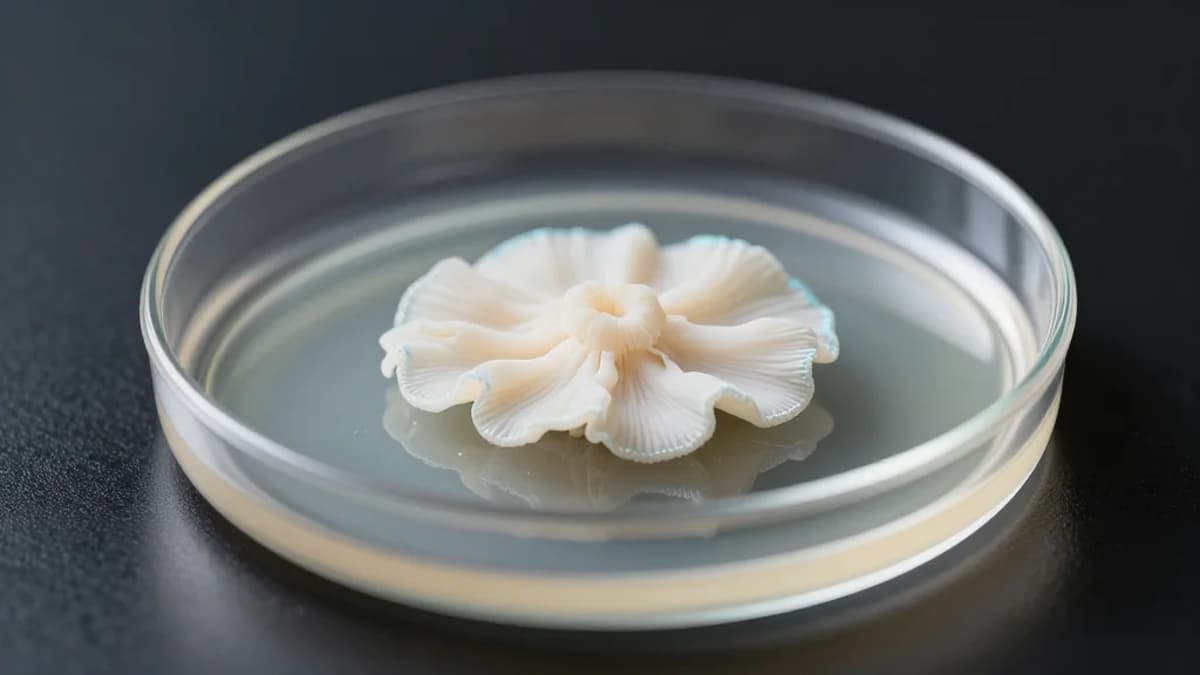
A CRISPR Fingerprint of Pathogenic C. Auris Fungi for Precision Diagnostics
•January 14, 2026
0
Why It Matters
Rapid, quantitative C. auris diagnostics enable clinicians to tailor antifungal therapy promptly, reducing mortality and curbing hospital outbreaks. The ability to pinpoint resistance mutations on‑site addresses a critical gap in current slow, costly laboratory testing.
Key Takeaways
- •dSHERLOCK detects C. auris in 20 minutes
- •Quantifies pathogen load within 40 minutes
- •Identifies azole and echinocandin resistance mutations
- •Uses CRISPR SHERLOCK with single‑molecule microarrays
- •One‑pot assay simplifies workflow for point‑of‑care use
Pulse Analysis
Candida auris has emerged as a global threat to hospitals, thriving on surfaces and resisting standard disinfectants and many antifungal drugs. In immunocompromised patients, bloodstream invasion can be fatal, yet existing diagnostics require centralized labs and a week‑long turnaround. This delay forces clinicians to prescribe broad‑spectrum antifungals empirically, accelerating resistance and increasing costs. The urgent call from the New York State Department of Health in 2019 highlighted the need for a fast, accurate, and bedside‑compatible test that can also reveal resistance profiles. The dSHERLOCK platform fuses the CRISPR‑based SHERLOCK detection system with a digital single‑molecule microarray, delivering single‑nucleotide precision in a high‑throughput format. By monitoring fluorescent signals in roughly 18,000 nanoliter compartments, the assay quantifies C. auris load within 40 minutes and distinguishes mutations conferring azole or echinocandin resistance through distinct kinetic signatures. A machine‑learning pipeline translates the massive fluorescence dataset into a simple readout that can be interpreted by hospital staff. The one‑pot reaction eliminates multiple handling steps, making the test feasible for point‑of‑care deployment without specialized equipment. Beyond C. auris, the modular nature of dSHERLOCK positions it as a versatile platform for rapid detection of other drug‑resistant pathogens, from bacterial superbugs to emerging viruses. Its ability to deliver quantitative resistance data at the bedside could reshape antimicrobial stewardship programs, reducing unnecessary broad‑spectrum therapy and lowering healthcare expenditures. The commercial appeal is strong: hospitals seek faster turnaround, and diagnostics firms are racing to integrate CRISPR‑based solutions. As regulatory pathways for molecular point‑of‑care tests mature, dSHERLOCK may set a new standard for precision infectious‑disease diagnostics.
A CRISPR fingerprint of pathogenic C. auris fungi for precision diagnostics
0
Comments
Want to join the conversation?
Loading comments...