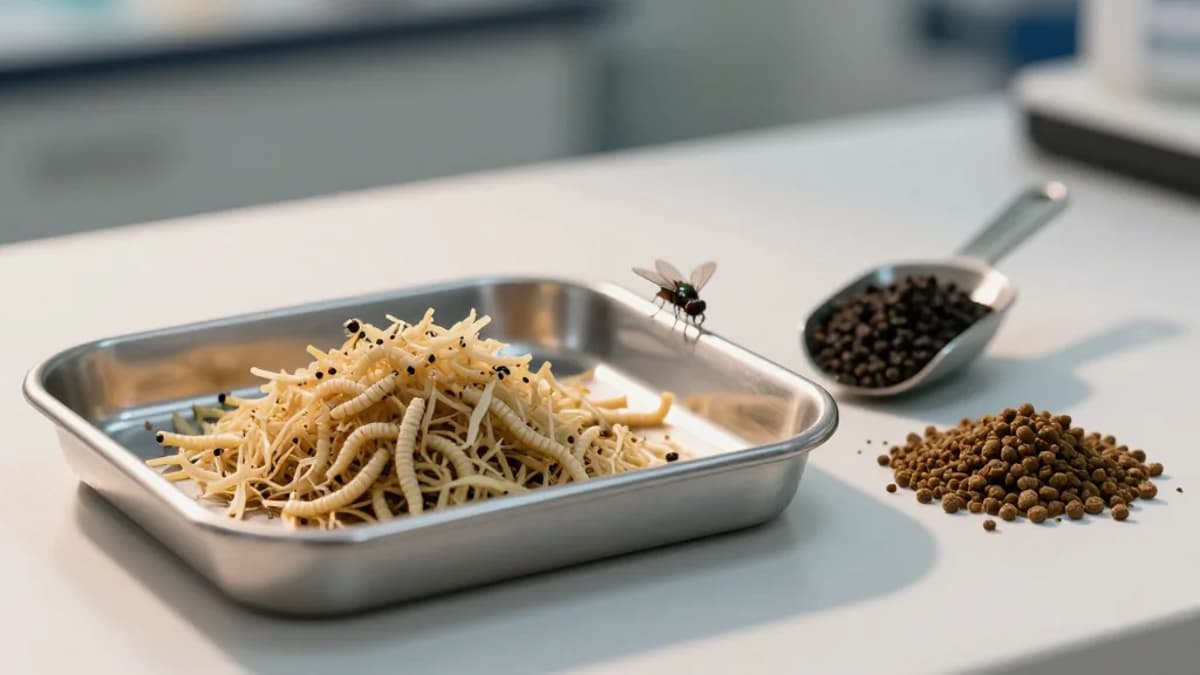
A DIY, Fly-Powered Food Waste Recycling System
•December 23, 2025
0
Why It Matters
The technology offers farms, greenhouses, and large residences a scalable, cost‑effective method to turn waste into valuable feed and fertilizer, reducing disposal costs and environmental impact.
Key Takeaways
- •DIY black‑soldier fly bioreactor processes food waste locally
- •Produces ~1 lb larvae per square yard daily
- •Generates frass, a nutrient‑rich soil amendment
- •Requires simple temperature, pH, moisture monitoring
- •Low capital, single‑person operation versus industrial facilities
Pulse Analysis
The rise of insect‑based bioconversion is reshaping waste management, and the UCR DIY system illustrates how small‑scale operators can tap into this trend. By leveraging black‑soldier fly larvae, the reactor transforms organic scraps into two marketable outputs: protein‑dense larvae for poultry and fish feed, and frass, a high‑nitrogen fertilizer. Unlike traditional composting, the process accelerates nutrient cycling, delivering usable products within days rather than weeks, and does so with minimal energy input.
Economic viability is a core driver of adoption. Commercial insect farms require substantial capital for climate‑controlled facilities and specialized labor, creating barriers for smaller producers. The UCR design sidesteps these hurdles by using readily available containers, wood chips, and basic temperature controls, allowing a single operator to manage the system. With a daily yield of about one pound of larvae per square yard, the output can offset feed costs for a modest poultry operation or supplement fish farm diets, delivering a clear return on investment.
Beyond financial metrics, the ecological benefits align with growing sustainability mandates. Frass not only supplies essential macro‑nutrients but also introduces insect chitin and molting fragments that stimulate soil microbial activity and plant disease resistance—effectively acting as a biological vaccine for crops. By keeping the conversion loop on‑site, transportation emissions drop, and the closed‑loop model reinforces regenerative agriculture principles. As regulators and consumers push for circular food systems, such low‑tech, high‑impact solutions are poised to gain traction across the agri‑food sector.
A DIY, fly-powered food waste recycling system
0
Comments
Want to join the conversation?
Loading comments...