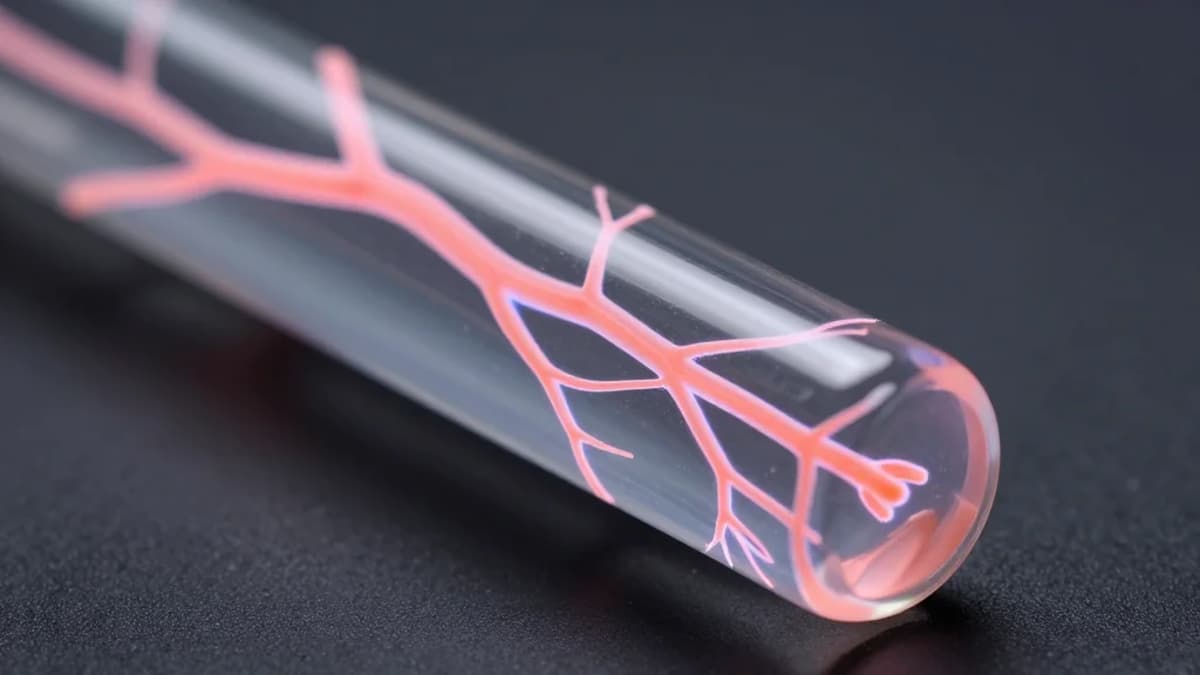
A Technique for Generating Artificial Lymph Nodes
•February 10, 2026
0

Why It Matters
Secondary lymphedema impacts millions of cancer survivors and lacks effective regenerative treatments; CeLyT provides a promising cell‑based approach to restore lymphatic function and improve patient outcomes.
Key Takeaways
- •Centrifuge stacking creates additive‑free 3D lymphatic tissue.
- •Combines LECs with MSCs for immunomodulatory effect.
- •Forms functional lymphatic network in vitro within days.
- •Transplanted CeLyT builds lymph‑node‑like structures in mice.
- •Significantly reduces post‑surgical edema in animal models.
Pulse Analysis
The removal of lymph nodes during oncologic surgery often triggers secondary lymphedema, a chronic swelling condition that compromises mobility and quality of life. Traditional interventions focus on compression therapy or surgical bypass, yet they fail to restore the lost immunological hub. As the incidence of cancer rises, the medical community is intensifying efforts to regenerate functional lymphatic tissue, recognizing its dual role in fluid balance and immune surveillance.
The CeLyT platform leverages a simple centrifugal cell‑stacking technique that aligns LECs and MSCs into a dense three‑dimensional scaffold without chemical additives. Within days of culture, the cells organize into a lumen‑bearing network, mimicking native lymphatic architecture. MSCs contribute immunomodulatory cues that enhance graft survival, while LECs establish the conduit for lymph flow. This biofabrication method is both reproducible and adaptable, offering a potential manufacturing pathway for larger‑scale clinical applications.
If translated to humans, CeLyT could redefine the therapeutic landscape for lymphedema, shifting from symptom management to true tissue regeneration. The approach also opens avenues for targeted immunotherapy, as engineered nodes could serve as localized sites for antigen presentation. Regulatory pathways will likely focus on cell‑therapy safety and integration with the host lymphatic system, but the pre‑clinical success positions CeLyT as a strong candidate for early‑phase trials. Investors and biotech firms are watching closely, anticipating a market that blends regenerative medicine with oncology support services.
A Technique for Generating Artificial Lymph Nodes
0
Comments
Want to join the conversation?
Loading comments...