Automation, Collaboration and the Future of Advanced Therapies
Companies Mentioned
Why It Matters
Automating and digitizing therapy manufacturing promises faster, cheaper patient access while reducing operational risk, a critical advantage as the market expands toward multibillion‑dollar scale.
Key Takeaways
- •Automation cuts cell therapy batch time up to 30%.
- •Robotics provide sterile, repeatable processes for gene‑therapy manufacturing.
- •Ecosystem collaboration shares real‑time data among biotech, CMOs, regulators.
- •Autolomous delivers AI‑driven workflow orchestration for GMP facilities.
- •Cellular Origins projects $5 billion market for automated cell therapies by 2030.
Pulse Analysis
The rapid rise of cell and gene therapies has exposed a fundamental bottleneck: manufacturing capacity. Traditional manual processes struggle to keep pace with the projected demand for personalized medicines, leading to longer lead times and higher price tags. Companies are now investing heavily in automation platforms that integrate bioreactors, downstream purification, and quality‑control analytics into a single, digitally managed workflow. By standardizing steps that were once artisanal, manufacturers can achieve consistent yields and meet stringent regulatory standards more efficiently.
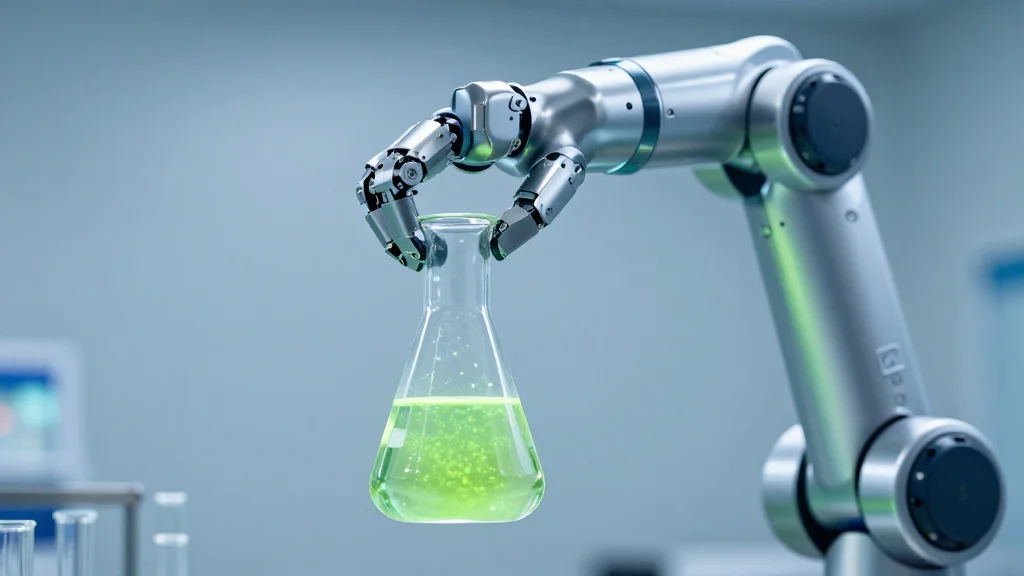
Robotics and artificial intelligence are at the heart of this transformation. Vendors like Autolomous are deploying AI‑driven orchestration engines that schedule equipment, monitor sterile environments, and predict equipment failures before they occur. Coupled with modular robotic arms and closed‑system handling, these solutions minimize human error and maintain the aseptic conditions required for gene‑editing procedures. The result is a scalable, GMP‑compliant production line that can adapt to a variety of therapeutic modalities, from CAR‑T cells to viral vectors, without extensive re‑validation.
Beyond technology, the industry is recognizing that collaboration across the entire value chain is essential. Data‑sharing platforms enable biotech developers, contract manufacturing organizations, and regulators to exchange real‑time process metrics, accelerating approval pathways and reducing duplication of effort. This ecosystem mindset not only speeds up time‑to‑patient but also creates a fertile ground for joint ventures and shared‑risk financing models. As the market for automated advanced‑therapy manufacturing is projected to exceed $5 billion by 2030, firms that embed collaborative, digital infrastructure will be best positioned to capture growth and drive the next wave of therapeutic innovation.
Automation, Collaboration and the Future of Advanced Therapies
Comments
Want to join the conversation?
Loading comments...