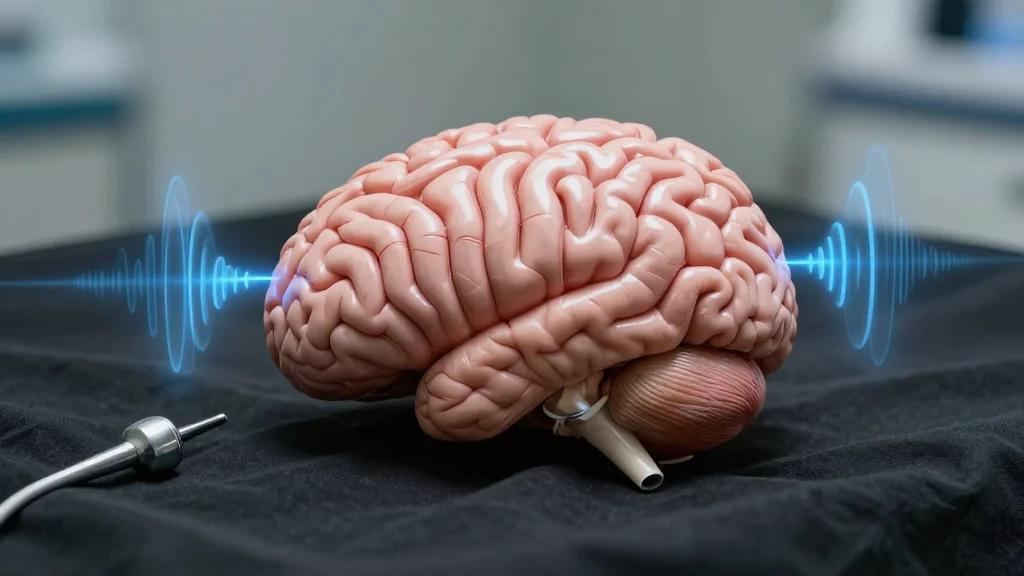
Baylor Study Shows Brain Processes Words Under General Anesthesia

Why It Matters
If the brain continues to process language under anesthesia, the medical community must reassess how consciousness is defined and measured during surgery. This could lead to stricter safety protocols, reducing the risk of intra‑operative awareness—a rare but traumatic event. Moreover, drug developers may pursue anesthetic compounds that more comprehensively suppress cortical activity, potentially lowering postoperative delirium rates. Beyond the operating room, the discovery challenges neuroscientists’ models of consciousness, suggesting that awareness may be more graded than binary. The ability of the hippocampus to predict linguistic input without conscious perception could inform therapies for disorders of consciousness, such as coma or minimally conscious states, by revealing hidden channels of residual cognition.
Key Takeaways
- •Baylor researchers recorded hippocampal activity in 7 epilepsy patients under general anesthesia.
- •Neural signals indicated semantic processing and word prediction despite lack of patient recall.
- •Findings published in Nature challenge the belief that anesthesia fully shuts down brain activity.
- •Potential impact on anesthesia monitoring standards and drug development for safer agents.
- •Future studies will test different anesthetics and larger patient cohorts to confirm results.
Pulse Analysis
The Baylor study arrives at a moment when the biotech industry is intensifying its focus on brain‑state monitoring technologies. Companies like NeuroSense and CortiTech have been racing to commercialize EEG‑based depth‑of‑anesthesia monitors, yet these devices primarily track global cortical rhythms. The new evidence that the hippocampus can remain linguistically active suggests a blind spot in current hardware, creating a market opportunity for next‑generation probes that capture deep‑brain signals.
Historically, the anesthetic field has relied on the binary notion of consciousness: either a patient is awake or they are not. This binary underpins drug dosing guidelines, regulatory approvals, and malpractice litigation. By demonstrating a continuum of processing, the Baylor work could force regulatory bodies such as the FDA to revisit safety thresholds for anesthetic agents, potentially tightening the criteria for what constitutes an acceptable loss of consciousness.
From a competitive standpoint, firms that can integrate language‑processing biomarkers into intra‑operative monitoring may secure a strategic advantage. Such capabilities could be marketed not only to hospitals seeking to minimize awareness incidents but also to pharmaceutical firms developing ultra‑short‑acting anesthetics that need precise titration. In the longer term, the insight that the brain predicts words without awareness may spill over into neuro‑rehabilitation, where residual processing could be leveraged to communicate with patients in locked‑in or minimally conscious states. The next wave of biotech innovation will likely explore these cross‑disciplinary applications, turning a basic neuroscience discovery into a suite of clinical tools and commercial products.
Baylor Study Shows Brain Processes Words Under General Anesthesia
Comments
Want to join the conversation?
Loading comments...